






The Malabon City government, together with the Department of Transportation (DOTr), inaugurated two new Public Utility Vehicle (PUV) stops in Barangay Hulong Duhat on Friday, May 30, aiming to provide commuters with a safer and more comfortable travel experience.
Manila Bulletin
 Philippines
Metro Manila
Malabon City, DOTr launch 2 new PUV stops for safer, more comfortable commute
Philippines
Metro Manila
Malabon City, DOTr launch 2 new PUV stops for safer, more comfortable commute
Philippines
Metro Manila
Malabon City, DOTr launch 2 new PUV stops for safer, more comfortable commute
Malabon City, DOTr launch 2 new PUV stops for safer, more comfortable commute
By Hannah Nicol
Published May 30, 2025 02:52 pm


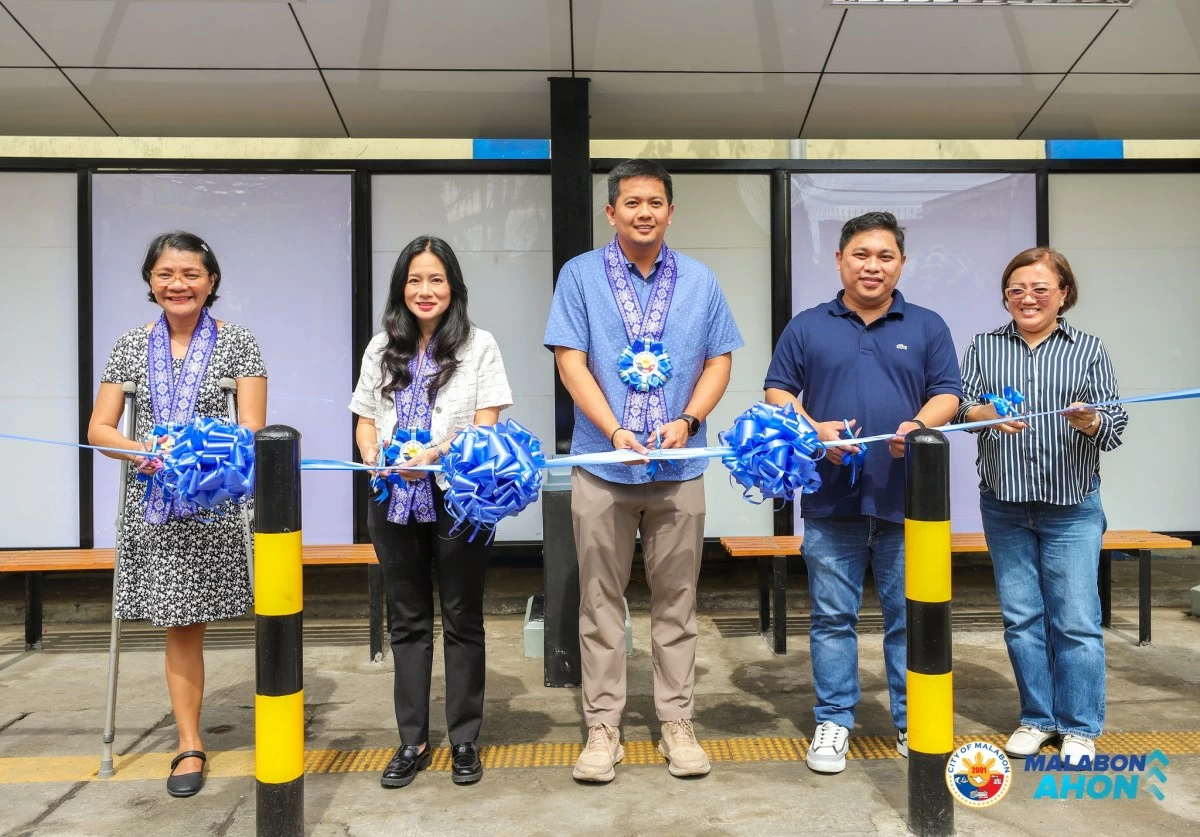
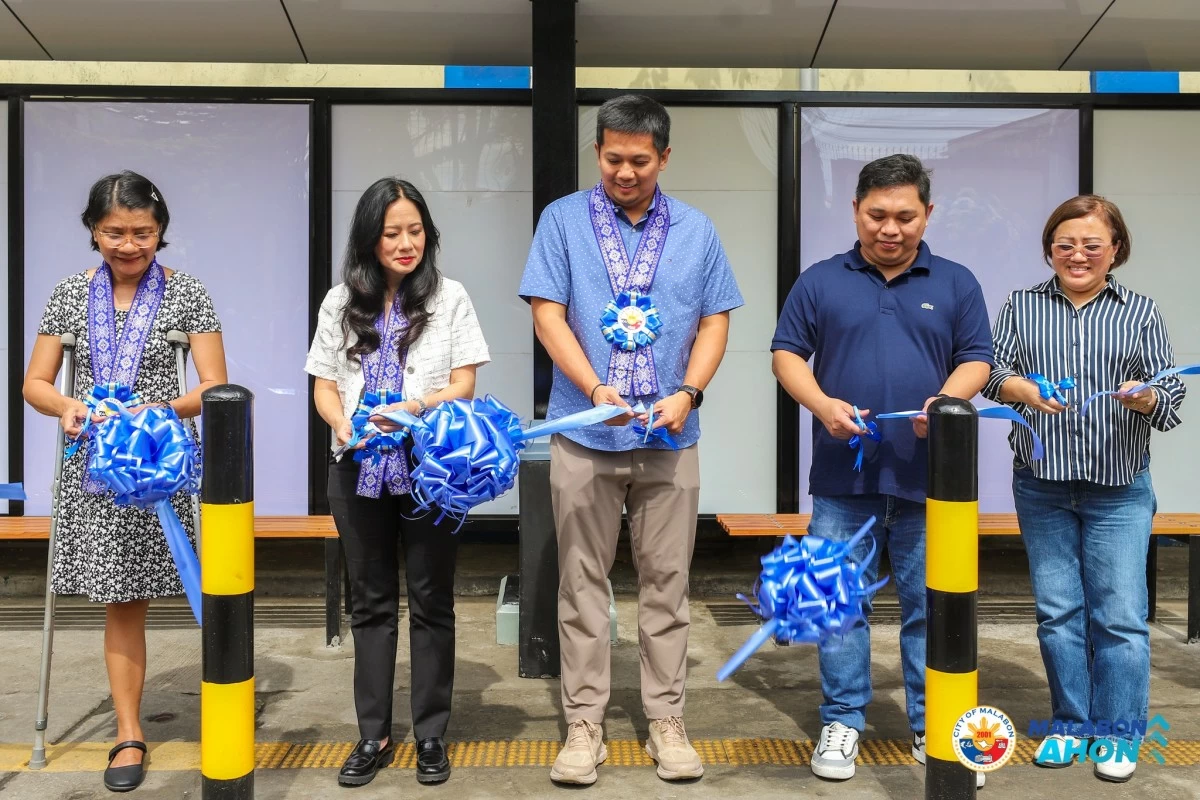
According to the city’s Public Information Office (PIO), the project is a collaborative effort among the city government, DOTr, Department of Public Works and Highways (DPWH), Land Transportation Franchising and Regulatory Board (LTFRB), and the Move as One Coalition.
The launch event was led by Mayor Jeannie Sandoval, joined by DOTr Undersecretary Attorney Mark Steven Pastor, DPWH Assistant Regional Director Engineer Montrexis Tamayo, LTFRB Representative Attorney Jocelyn Tataro, and Move as One Coalition Co-Convener Maureen Ava Mata.
Sandoval expressed her heartfelt gratitude to the national government agencies and partner organizations for their support in making the project a reality.
“Layunin ng proyekto na magbigay ng mas ligtas, mas maginhawa, at mas accessible na hintayan para sa mga pasahero, lalo na para sa mga taong may kapansanan, mga nakatatanda, at mga buntis (The project aims to provide a safer, more convenient, and more accessible waiting area for passengers, especially for persons with disabilities, senior citizens, and pregnant women),” she added.
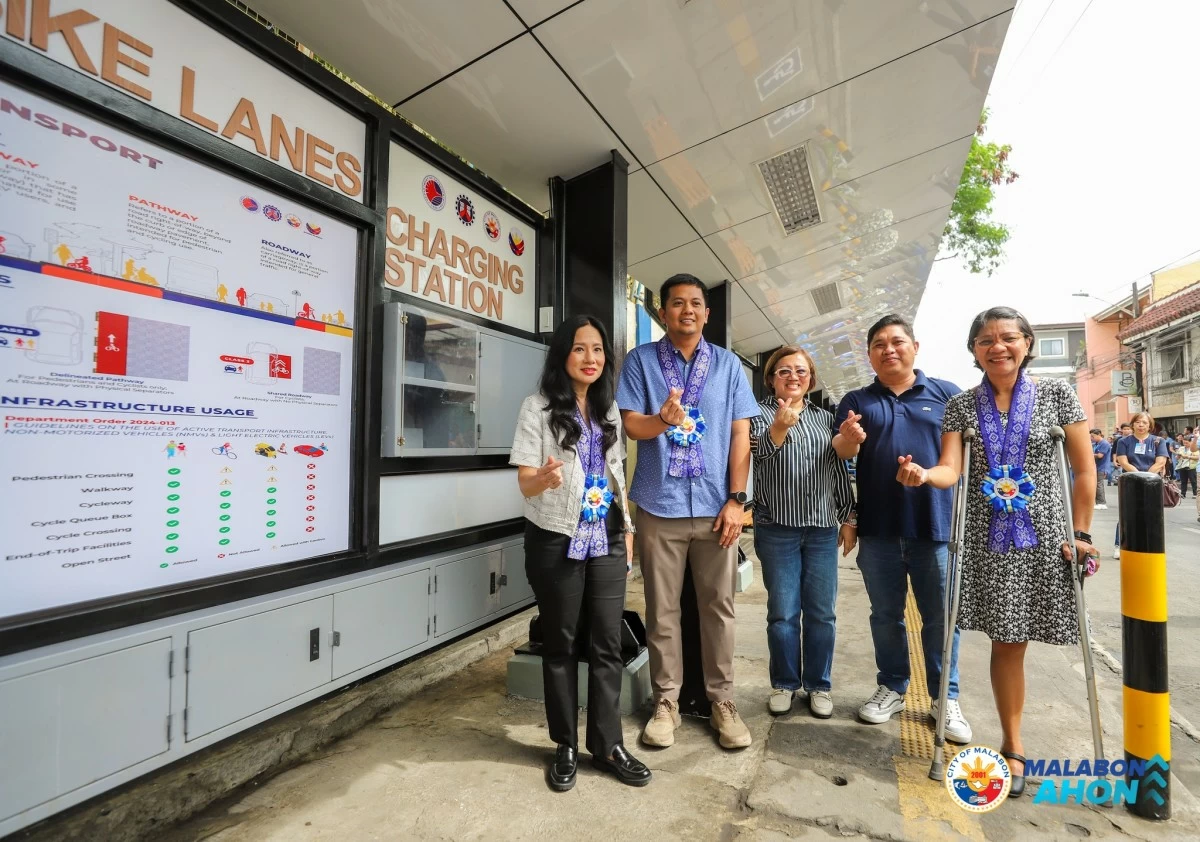
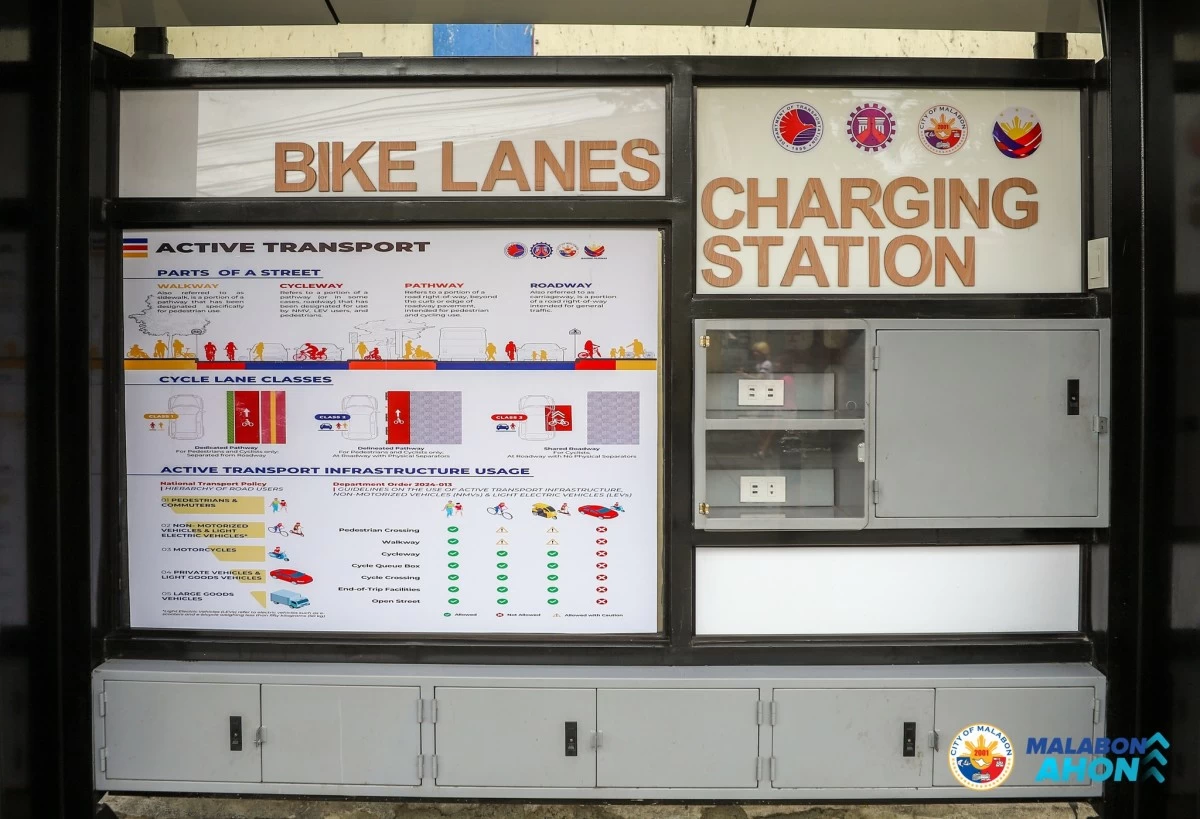
The newly launched PUV stops are equipped with PWD-accessible ramps, CCTV cameras, charging stations, bike repair stations, and solar panels—facilities designed to improve the daily commute for the residents.
Tamayo said the stops are part of six being developed nationwide under the Build Better More Program, a flagship infrastructure initiative focused on creating safer and more comfortable public transportation environments.
Meanwhile, Mata emphasized that the project was shaped by listening closely to the needs and experiences of everyday commuters, particularly those with disabilities.
“Safe and accessible transportation is not a privilege—it is a right,” she said.
Pastor added that the new PUV stops represent more than just physical structures—they symbolize the government’s commitment to ensuring dignified and inclusive public transportation for all.
The project marks a significant milestone for the city as it continues to advance urban mobility and inclusive development, fostering a commuter-friendly environment built on care, accessibility, and innovation.