






Improving access to education, supporting agricultural development, and strengthening the healthcare system are the top issues that Filipinos believe should be prioritized by both the Senate and the House of Representatives after the 2025 elections, based on a commissioned survey conducted by Social Weather Stations (SWS) from May 2 to 6.
Manila Bulletin
 Philippines
National
Filipinos identify education, agriculture, healthcare as top legislative priorities — SWS
Philippines
National
Filipinos identify education, agriculture, healthcare as top legislative priorities — SWS
Philippines
National
Filipinos identify education, agriculture, healthcare as top legislative priorities — SWS
Filipinos identify education, agriculture, healthcare as top legislative priorities — SWS
Published May 30, 2025 10:22 am
|
Updated May 30, 2025 01:05 pm


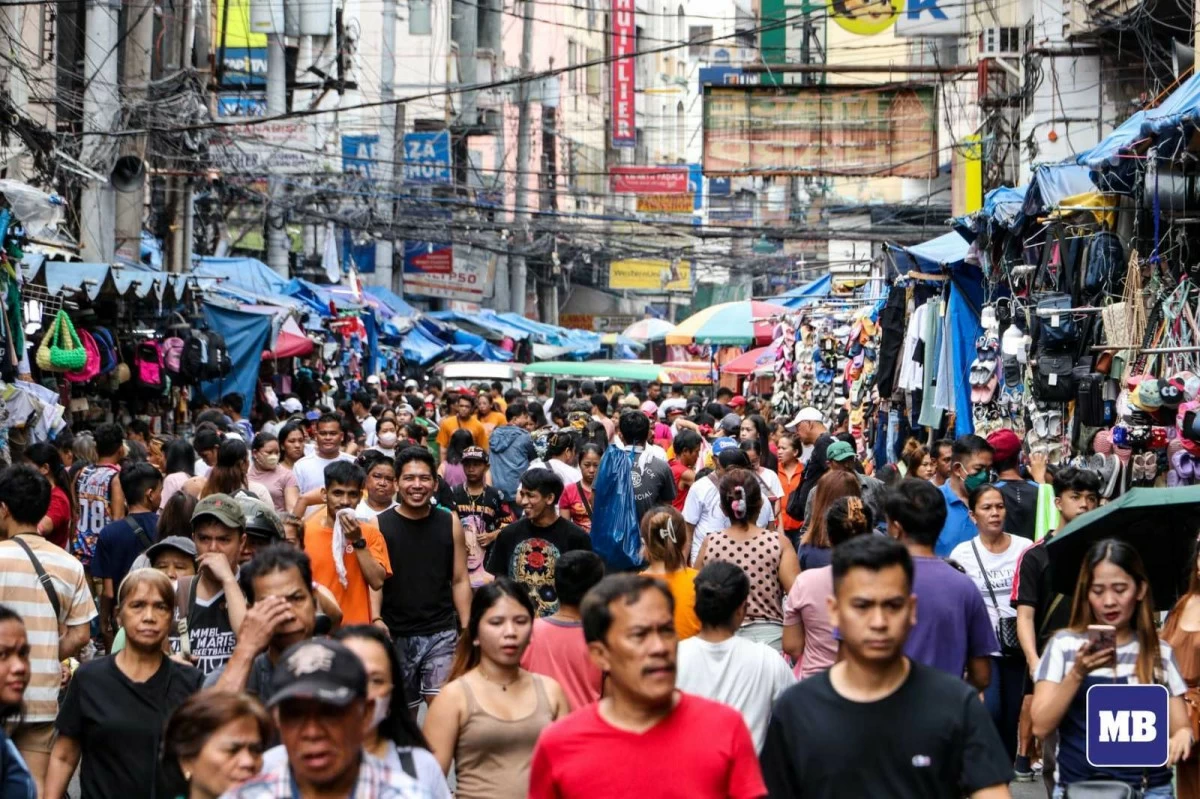
MANILA BULLETIN FILE PHOTO
The survey commissioned by Stratbase Group found that 87 percent of respondents consider improving education through the strengthening of the public school system, distribution of scholarships, and expansion of vocational training programs as a high priority for the Senate.
A nearly identical 86 percent expressed the same view for the House of Representatives.
Agricultural development, including subsidies, training, and market access for farmers, is another issue Filipinos deem should be prioritized.
It was cited by 83 percent for the Senate and 84 percent for the House.
Healthcare investment, specifically making healthcare more affordable and strengthening public health infrastructure, also ranked high, with 82 percent of respondents identifying it as a priority for both chambers.
Other key issues that Filipinos believe should be given legislative priority include:
* Expanding social welfare programs, such as cash assistance, housing, healthcare, and education for low-income families (Senate: 79 percent, House: 81 percent)
* Increasing the minimum wage to improve workers’ purchasing power (Senate: 74 percent, House: 80 percent)
* Promoting job creation through infrastructure investment, entrepreneurship, and small business support (Senate: 73 percent, House: 76 percent)
* Implementing price control measures on essential goods and services (Senate: 71 percent, House: 78 percent)
* Strengthening governance reforms to enhance transparency and accountability in government spending (Senate: 67 percent, House: 72 percent)
The survey was conducted through face-to-face interviews with 1,800 registered voters nationwide: 300 in Metro Manila, 900 in Balance Luzon, 300 in the Visayas, and 300 in Mindanao.
The national sampling error margin is ±2.31 percent, with regional margins of ±3.27 percent for Balance Luzon and ±5.66 percent each for Metro Manila, the Visayas, and Mindanao.