






Manila Bulletin
 Philippines
National
DOT: Culinary, market tourism programs launched to enrich regional travel
Philippines
National
DOT: Culinary, market tourism programs launched to enrich regional travel
Philippines
National
DOT: Culinary, market tourism programs launched to enrich regional travel
DOT: Culinary, market tourism programs launched to enrich regional travel
By Trixee Rosel
Published May 29, 2025 01:27 pm


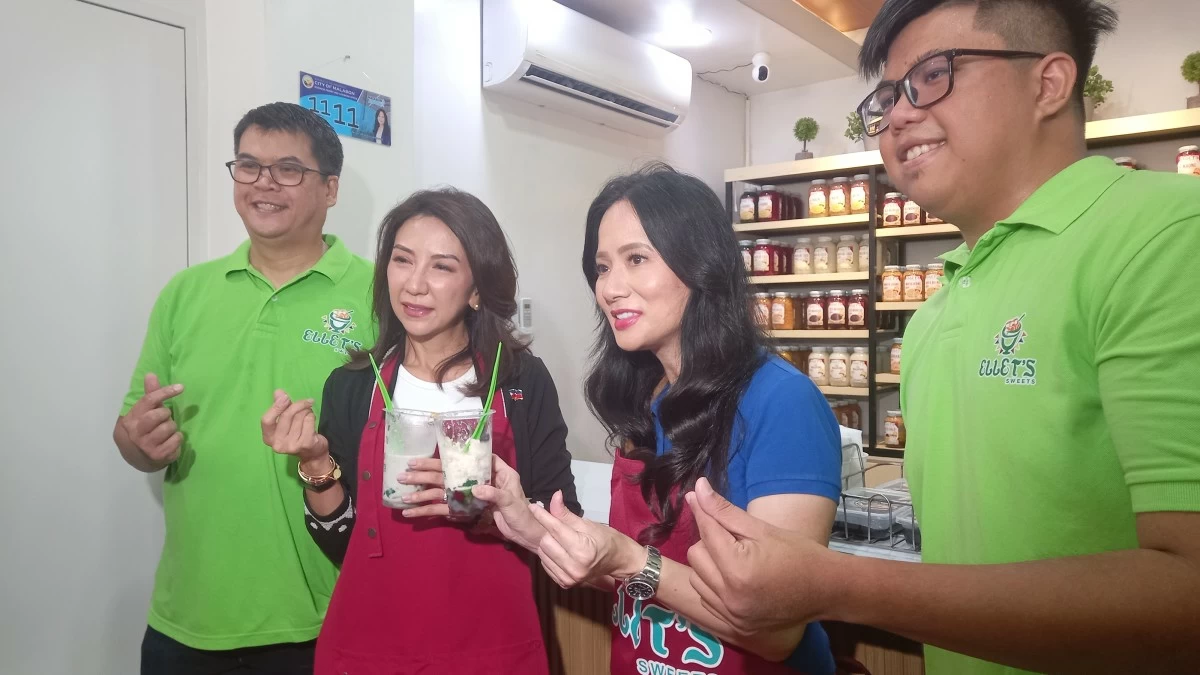
DOT Secretary Christina Garcia-Frasco (center), Mayor Jeannie Sandoval (right), and Ellet’s Sweet halo-halo head staff (left and far right) hold servings of the iconic Filipino dessert during a visit to Concepcion Market in Malabon City on May 28, 2025. The visit highlighted the Department of Tourism’s initiative to promote gastronomy and market tourism, positioning public markets as vibrant centers of Filipino culture and cuisine. (Photo by Trixee Rosel/MANILA BULLETIN)
To boost regional tourism by showcasing Filipino cuisine and public markets, the Department of Tourism (DOT) has launched two flagship programs—“Salo-Salo: Taste the Flavor, Experience the Culture” and the “Market Tourism: A Philippine Palengke Experience” handbook—designed to position culinary and market tourism as essential drivers of cultural tourism development.
Tourism Secretary Christina Garcia-Frasco led the ceremonial launch on May 28 at Food Wanderer x Lakbay Museo in Parañaque City, underscoring Filipino food and markets as authentic gateways to local culture.
“Before tourism routes and global rankings, there was food shared between neighbors,” Frasco said, emphasizing how Filipino cuisine embodies cultural heritage and enriches visitor experiences.
Guests—including national and local officials, tourism stakeholders, and culinary experts—joined a guided cultural walkthrough featuring iconic dishes such as Cebu lechon, regional kakanin, street food favorites, halo-halo, and artisanal vinegars.
The experience illustrated the Market Tourism handbook’s core principles, encouraging local government units (LGUs) to develop public markets into tourism assets through heritage preservation, community storytelling, and inclusive design.
DOT Director for Tourism Product Development Dr. Paulo Tugbang said the handbook offers practical modules to help LGUs transform markets into vibrant visitor destinations while preserving local identity.
Support from the Department of Agriculture, the World Food Travel Association, and various tourism, food, and travel organizations highlighted the importance of multi-sectoral collaboration in advancing cultural tourism.
Both programs align with the National Tourism Development Plan (NTDP) 2023–2028, which identifies food and gastronomy as vital pillars of inclusive and sustainable tourism growth.
By spotlighting Filipino dining traditions and the palengke experience, the DOT aims to turn everyday moments into meaningful cultural journeys that deepen travelers’ connection to local communities and heritage.