






 Business
Trade & Industry
Aboitiz Power integrates AI into coal operations for smarter plants
Business
Trade & Industry
Aboitiz Power integrates AI into coal operations for smarter plants
Aboitiz Power integrates AI into coal operations for smarter plants


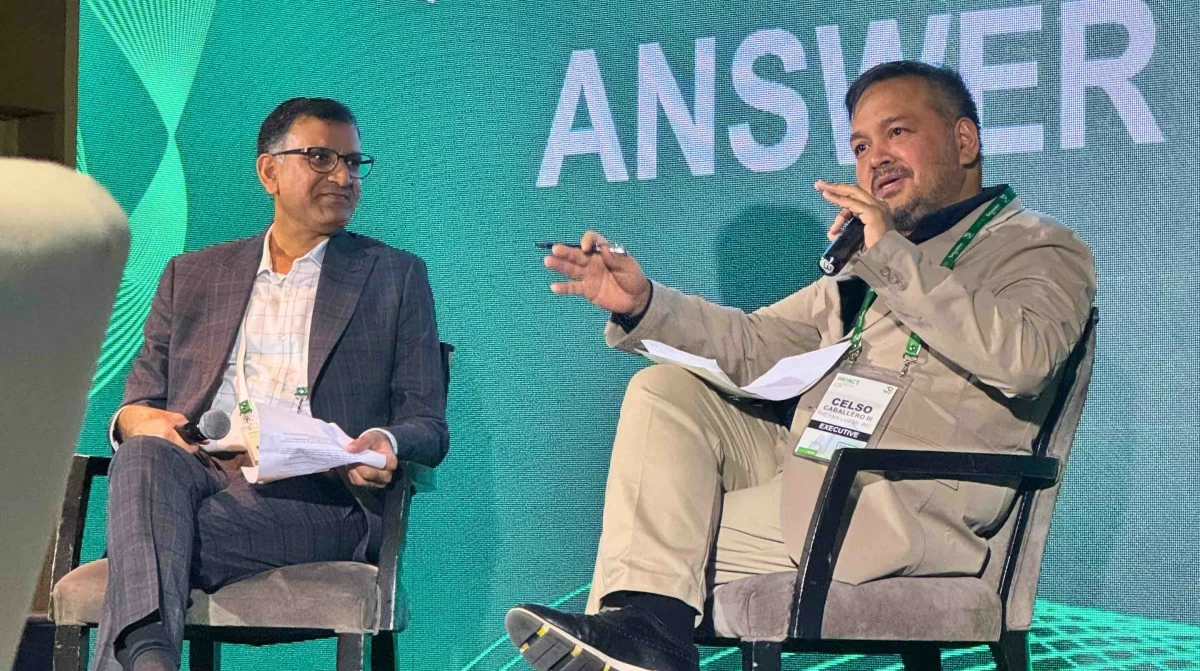
The ongoing rise of artificial intelligence (AI) sees Aboitiz Power Corporation’s Transition Business Group (TBG) reportedly planning to weave smart technology and data analytics into its coal operations.
In a statement this Thursday, May 29, AboitizPower announced that its AI integration will build upon its current smart-powered innovation, “Project Arkanghel,” unfolding in phases.
The project aims to modernize existing conventional power plants with new technologies to ensure operational availability and reliability.
“Project Arkanghel features establishing a Unified Operations Center, equipped with digital twin technologies, early warning and anomaly detection systems, and a fully integrated, end-to-end live asset health monitoring system. This Center empowers engineers to foresee potential issues and optimize plant operations,” AboitizPower detailed.
This project is a collaborative effort with Thailand’s REPCO NEX Industrial Solutions, and it also leverages Schneider Electric’s AVEVA Predictive Analytics, which sifts through historical data, identifies patterns, and offers early warning detection.
Celso Caballero III, AboitizPower TBG’s president and chief operating officer, noted that the first phase is already underway, with implementation kicking off in Visayas this year before expanding to Luzon in 2026.
“The first phase of Project Arkanghel is up and running, currently in one of our circulating fluidized bed plants in Mindanao,” he stated, referring to the 300 megawatt (MW) Therma South, Inc. in Davao City.
While Therma Visayas, Inc. in Toledo City, Cebu, serves as one of the early models for this smart project, the Luzon model is yet to be revealed.
According to AboitizPower, harnessing AI will enable them to maximize their plant’s efficiency, leading to lower heat rates, enhanced fuel efficiency, fewer outage days, and longer stretches between scheduled outages.
Beyond smart data integration, engineers can also expect more accurate decision-making within their systems.
“Power demand growth aside, if your plants are more available, you will be able to build fewer plants in order to cover for shortages,” Caballero added.