







For widows of fallen soldiers, the flag is not just a national emblem. It is memory, mourning, and meaning—stitched into every fold.
When the PH flag takes a husband's place at home
Published May 28, 2025 04:55 pm


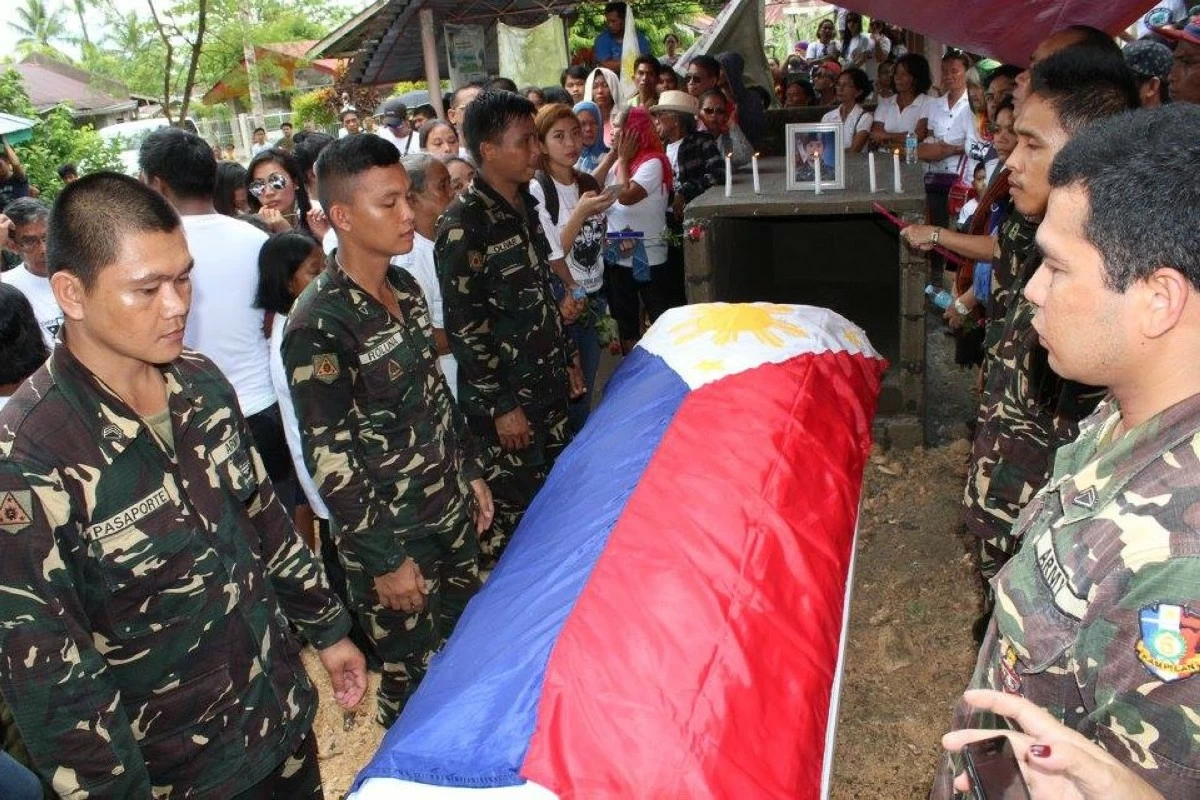
When the Philippine flag was placed in Ligaya Cornito Serrano’s hands at her husband’s funeral, the world seemed to blur around her. “The pain was overwhelming,” she says. “But I had to stay strong—I was seven months pregnant and had a four-year-old who needed me.”
Her husband, Staff Sergeant Benito Gammad Serrano, was among the soldiers killed during the Marawi siege in 2017. Since then, the flag—now stored in a box beside his Lapu-Lapu Medal and personal keepsakes—has become a quiet presence in her home. On his birthday, death anniversary, and national holidays, Ligaya hangs it proudly in front of their house. “It’s my way of honoring him,” she says. “To me, the flag now represents his courage, our love, and the freedom he helped defend.”
For many military widows like Ligaya, the flag is no longer just a patriotic symbol—it is a lifeline. It marks the moment their lives changed, and remains a visible reminder of sacrifice.
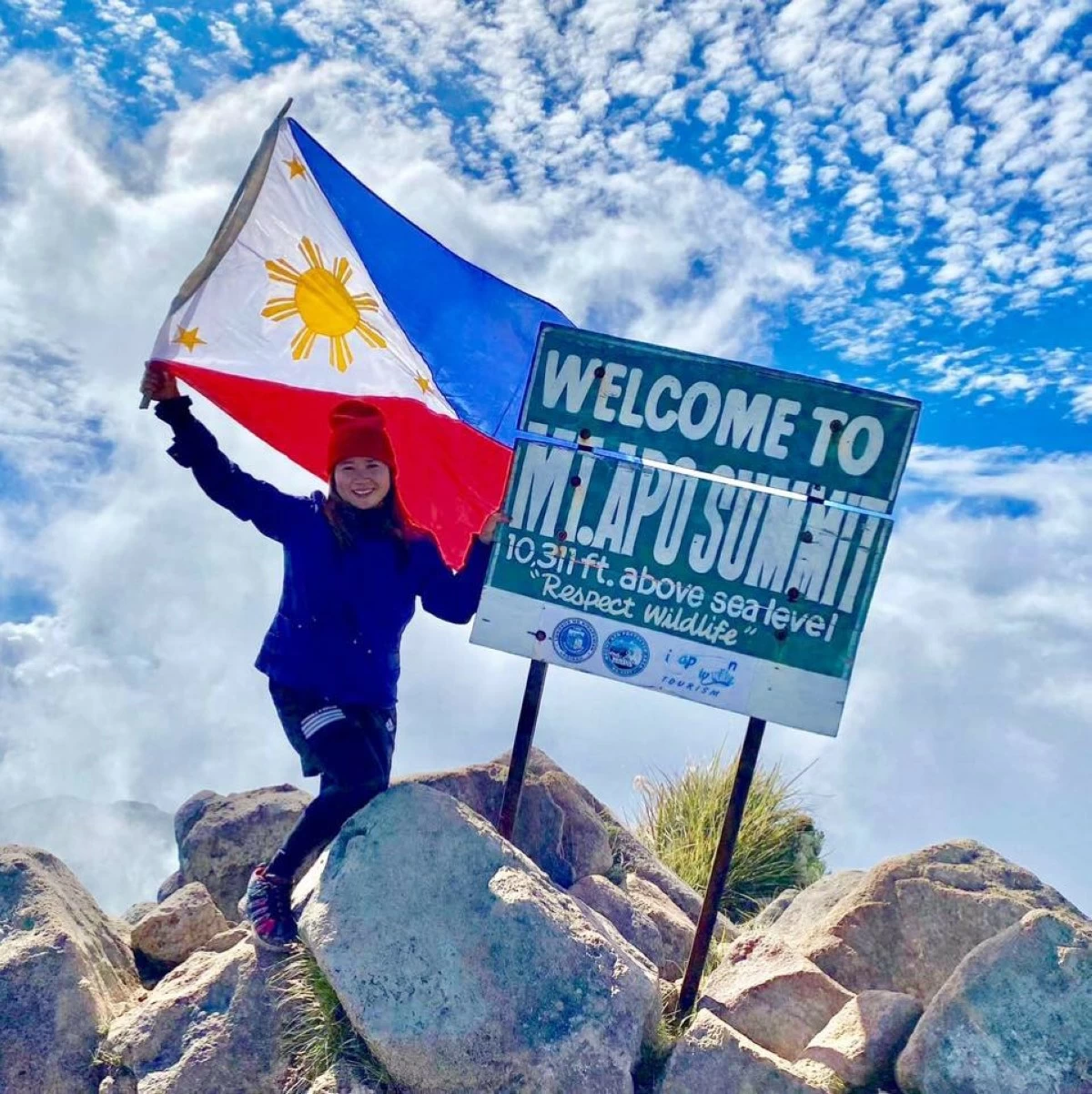
In 2016, Richell Melote experienced that moment when her husband, Staff Sergeant Jayson Melote, was killed in an encounter with the New People’s Army in Davao de Oro. “When his commander handed me the flag, my grief was tempered with pride, knowing his ultimate sacrifice will never be forgotten. The flag, a symbol of national pride, had become to me a personal emblem of his sacrifice.”
Every year on special days, Richell and her son Zion visit Jayson’s grave, bringing with them the flag, a cake, and flowers. “We pay tribute to his memory,” she says. “We celebrate his life. I can see the pride in my son’s eyes, because he knows his father is a hero who gave his life for his country.”
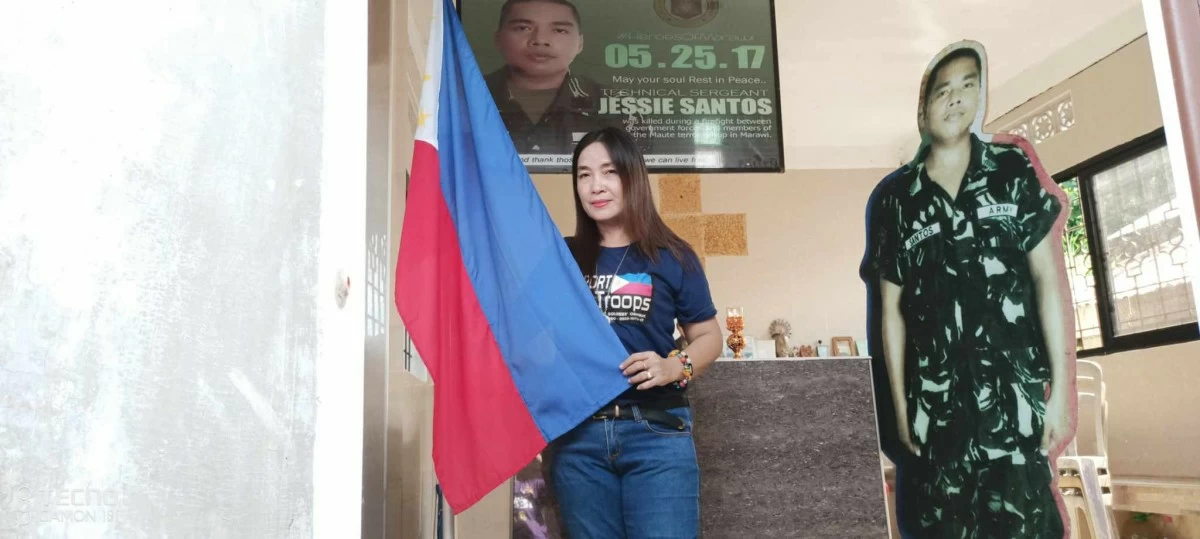
In Paranas, Western Samar, Nilda Santos keeps her husband’s flag permanently displayed. Her husband, 2nd Lieutenant Jessie Baquilar Santos, died in the line of duty during the Marawi siege. “I hung the flag beside his photo and medals in a small mausoleum,” she says. “It’s a daily reminder of his honor and our love.”
Yet behind their quiet strength lies a deeper struggle.
Ligaya suffered anxiety and panic attacks after her husband’s death, later completing a six-month therapy program to cope. Though government aid and donations helped, she says, the journey remained heavy. “Managing grief and finances alone is hard,” she shares. “But my children are my strength.”
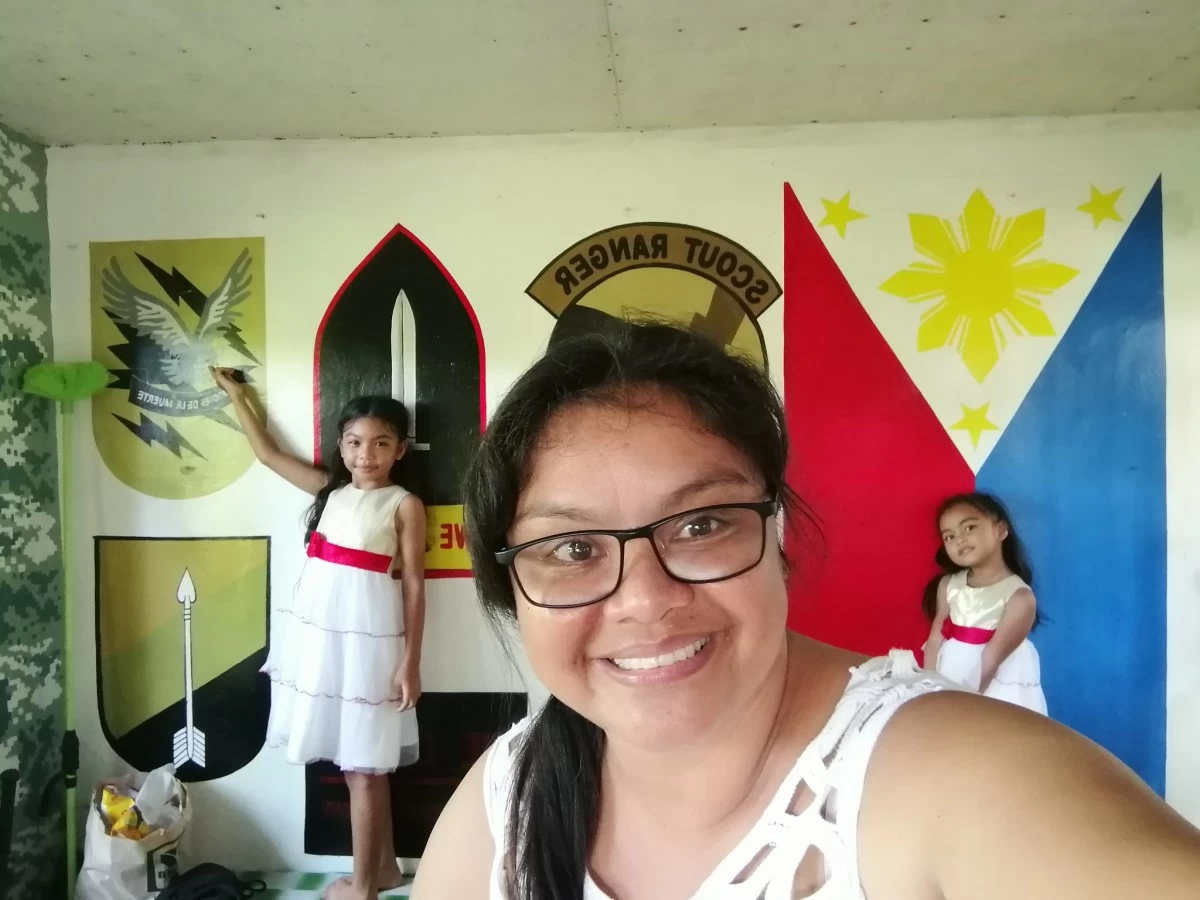
Today, she leads the Solo Parent Association in her municipality and has organized a farmers’ cooperative. She is also helping form a national alliance of widows and survivors. “We need a platform. So many feel forgotten.”
As a teacher, she tries to teach a new generation of children to love this country. “I became more patriotic after his death,” she says. “I teach my son and my students to respect the flag and sing the anthem with pride.”
Still, the pain of being overlooked lingers. All three agree—recognition must go beyond ceremonial gestures. Support shouldn't end with the funeral, they say.
“The country moves on,” Ligaya says, “but we don’t. We carry this grief every day.” For her, the flag offers comfort on hard days. “I take out his belongings, hold the flag, and talk to him. I’ve already survived the worst—I can face anything.”
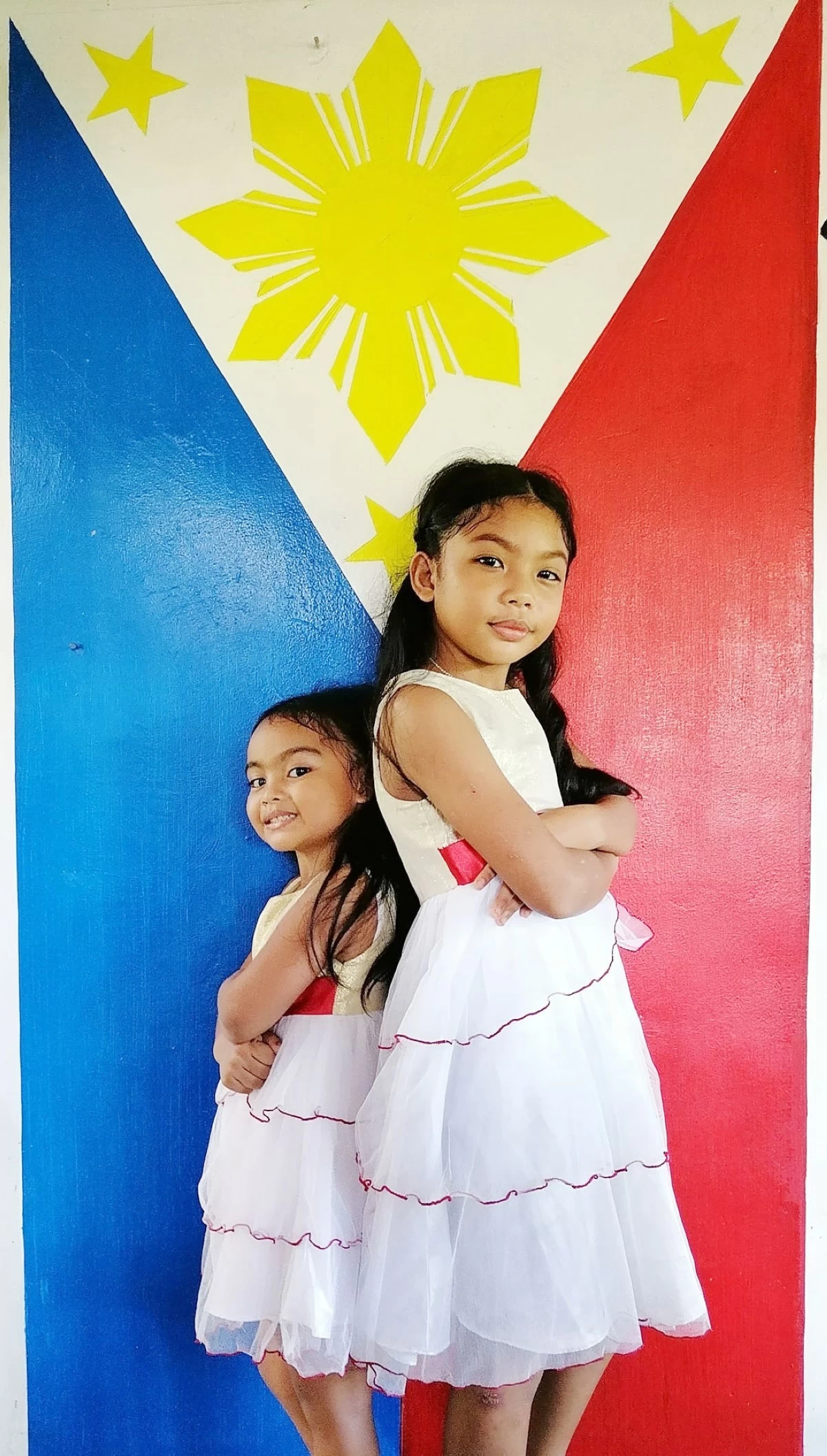
Their children have become torchbearers of memory and meaning. “I’ve told my children they are the children of a hero,” Ligaya says. “They carry his legacy with love and pride.”
As the nation observes World Flag Day, these women ask Filipinos to look beyond banners and parades. “To my fellow Filipinos, specially to the leaders of this country, I want them to understand that our journey as widows is filled with challenges and I hope our stories can inspire empathy and support to soldiers and their families,” Richell says.
In every stripe and star—in every silent salute—the flag tells not just a story of patriotism, but of love, loss, and the quiet strength of those left behind.