







Renowned phone and electronics brand, Xiaomi, is expanding its vehicle lineup with the unveiling of its first SUV, the Xiaomi YU7 ("YU" pronounced /ü/ or [y˥˩] in IPA). Its name is derived from the Chinese term "御风而行“ that means "riding the wind."
Xiaomi launches YU7 EV SUV
High-performance luxury surpassing the SU7
By Inigo Roces
Published May 27, 2025 09:08 am


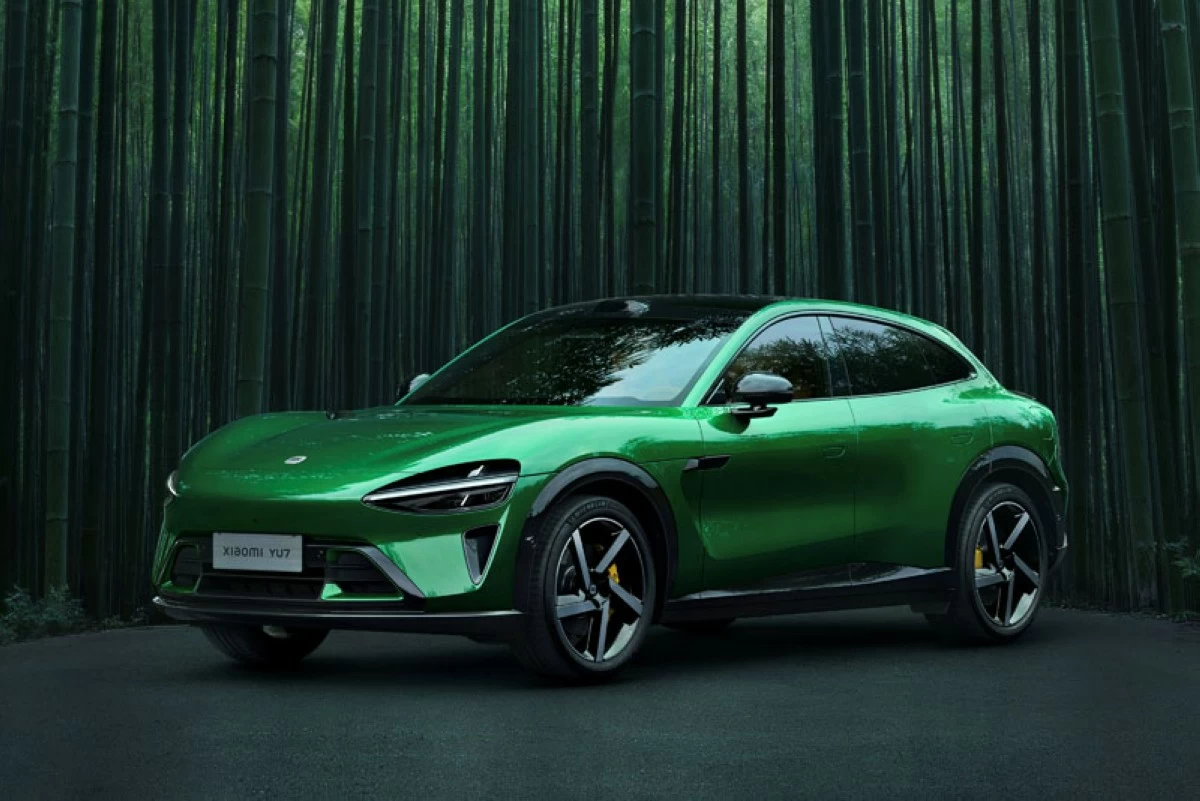
The YU7 is positioned as a high-performance luxury SUV for independent, confident, and dynamic elites. Far from being simply a taller version of Xiaomi SU7, YU7 is a completely reimagined SUV from the ground up. It integrates cutting-edge intelligent technology, delivering an entirely refreshed experience in design, cabin comfort, safety, and smart capabilities.
Luxury and elegance
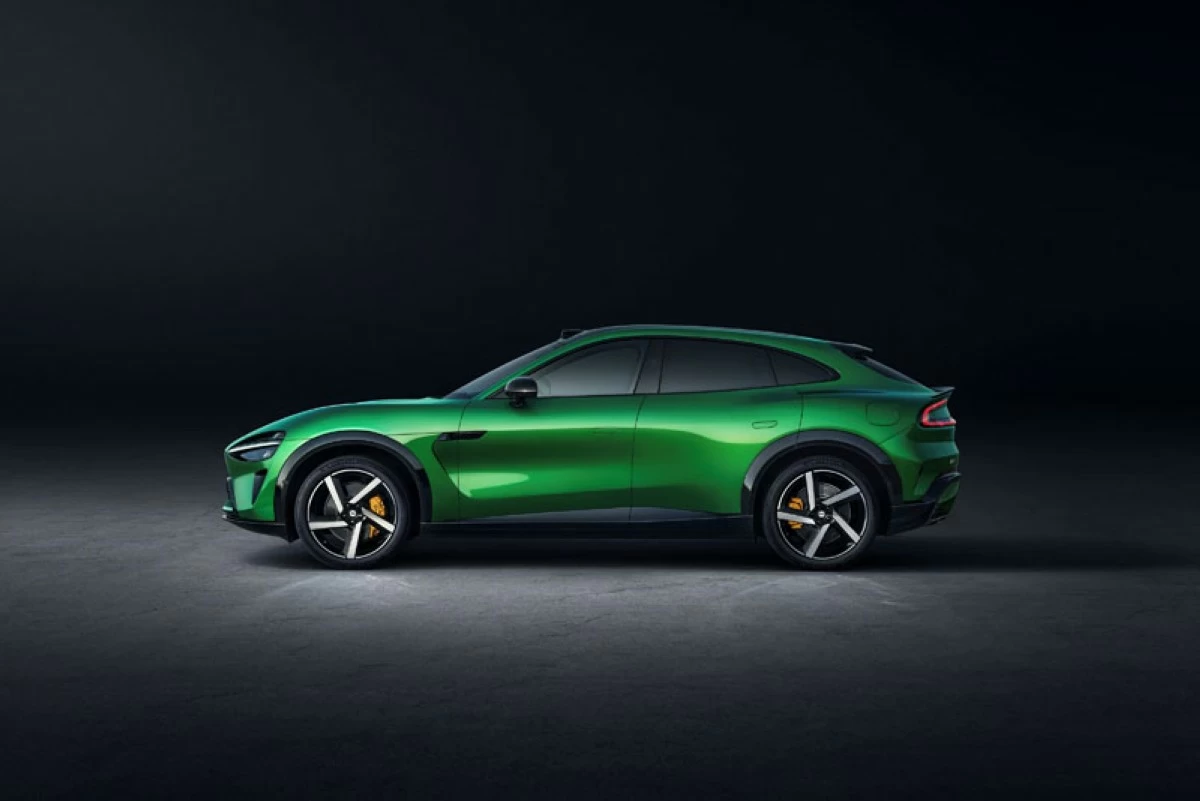
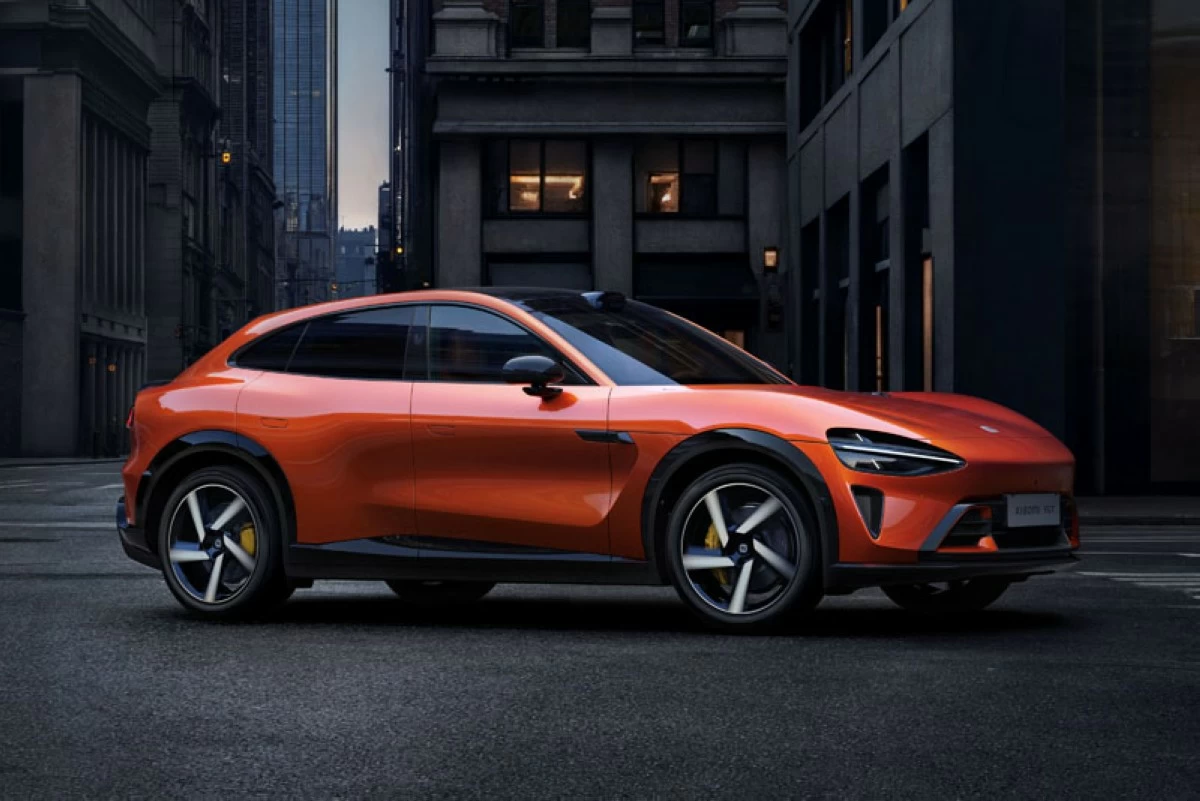
The YU7 is a mid-to-large SUV and stays true to the brand's obsession with proportions, featuring a 3:1 wheel-to-body ratio, 2.1:1 wheel-to-height ratio, and 1.25:1 width-to-height ratio, embodying the classic low-slung posture of high-performance SUVs.
Beyond its well-proportioned silhouette, YU7's family design aesthetic manifests in numerous meticulous details. The model revamps the signature "waterdrop headlights" from the SU7 with an innovative hollowed-out design and incorporates air channels linked to the front hood vents. The halo taillight achieve a cleaner, more sculpted appearance with downward-angled corners.
The YU7 has a flush door handle system. It automatically extends the handles as users approach with keys. Enhanced by ambient lighting, entering the vehicle is an experience in itself.
One space, three experiences
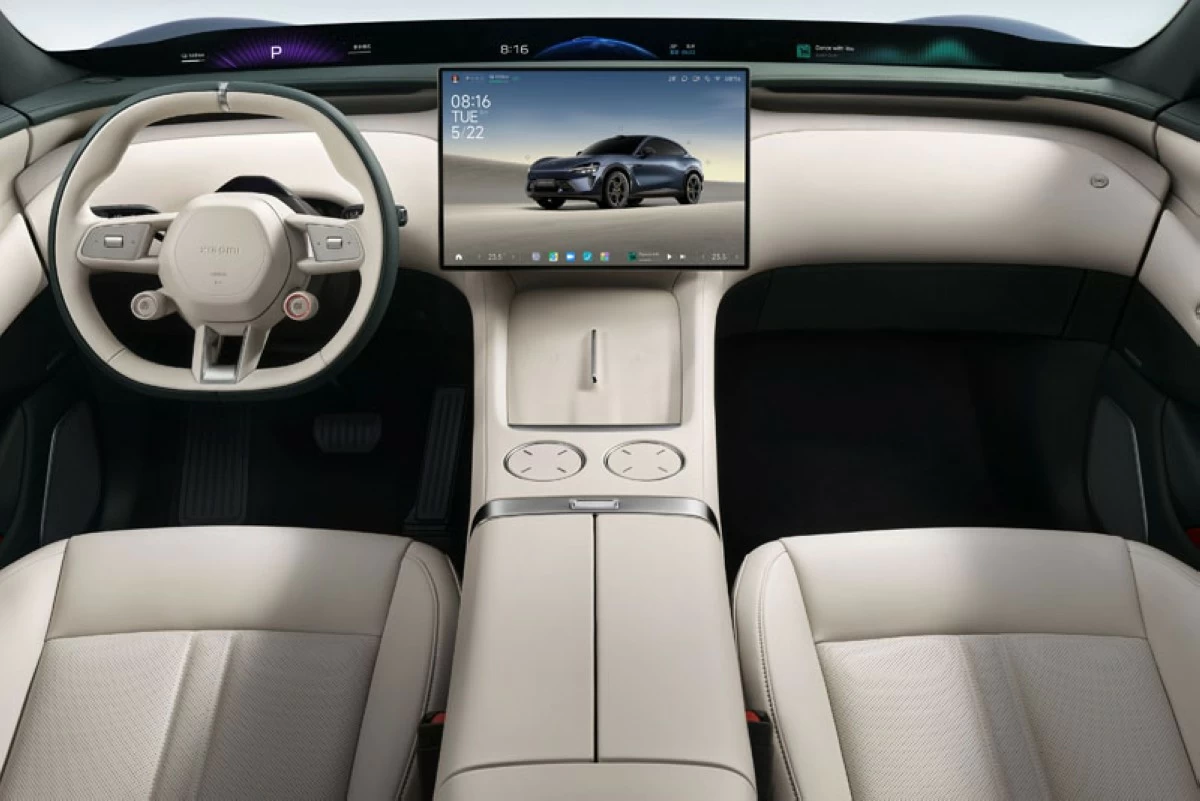
Once inside, the cabin features a "Dual-Zone Surround Luxury Cabin" philosophy, which masterfully blends three core experiences into one harmonious space. The cabin features dual zero-gravity front seats and power-adjustable rear seats. The cabin is made with eco-conscious materials, with 100% soft-touch surfaces throughout high-contact areas. The seats are upholstered in Nappa leather with a finely pebbled rock-grain texture.
The driver gets a Xiaomi HyperVision Panoramic Display and a remote control panel. This display employs a sophisticated triple Mini LED screen array. It results in an expansive 1.1-meter ultra-wide display with pro retina-level 108 PPD resolution. Its in-car operating system is equipped with a 4 nm Snapdragon 8 Gen 3 for the cockpit chip, delivering a smoother user experience. The vehicle system boots up quickly, apps launch swiftly, and touch response is highly responsive.
The Panoramic Display intelligently adapts to different user scenarios with optimally positioned speed and navigation projections within their natural sightlines. Front passengers can customize their entertainment experience with placement-adjustable music interfaces featuring real-time lyrics.
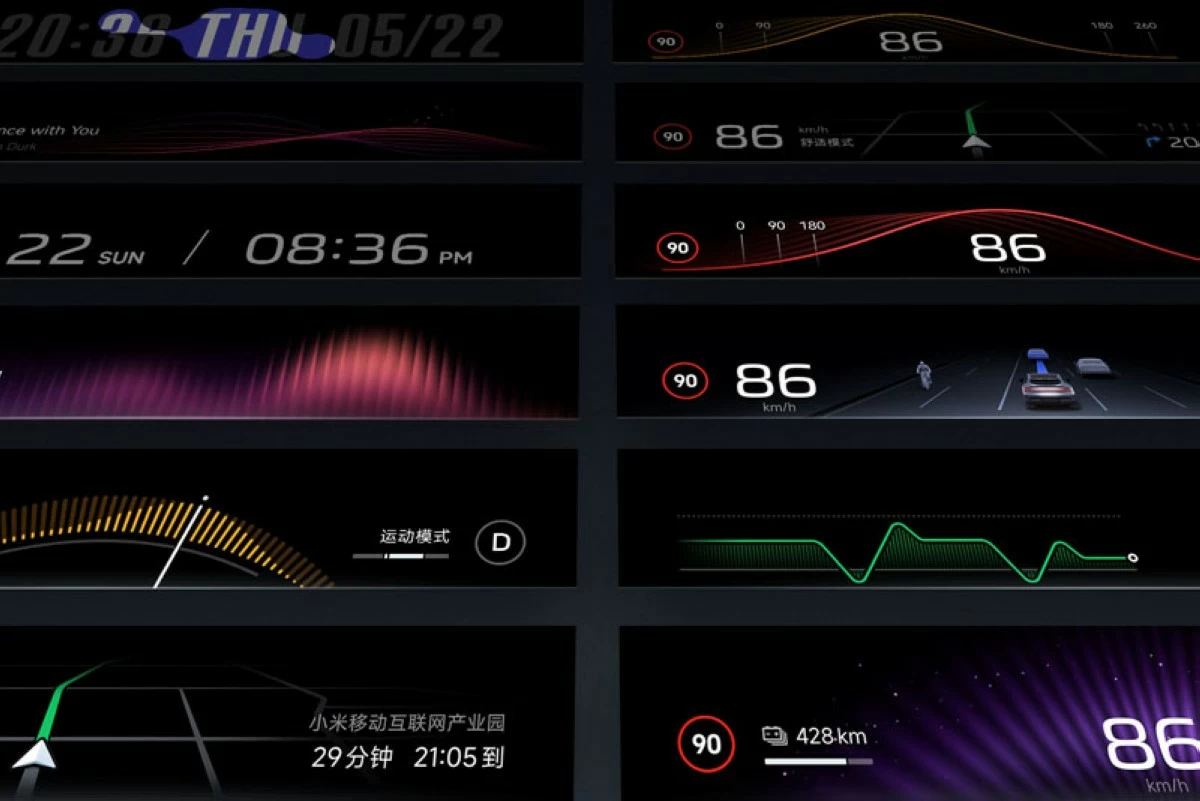
The system dynamically displays turn-by-turn guidance. When driver assistance systems are engaged, they automatically switch to Simulate Reality road mapping, for more information about real-time traffic conditions. The interface offers five modular information categories — instrument readouts, media controls, time zones, weather updates, and navigation — all freely configurable to individual preferences.
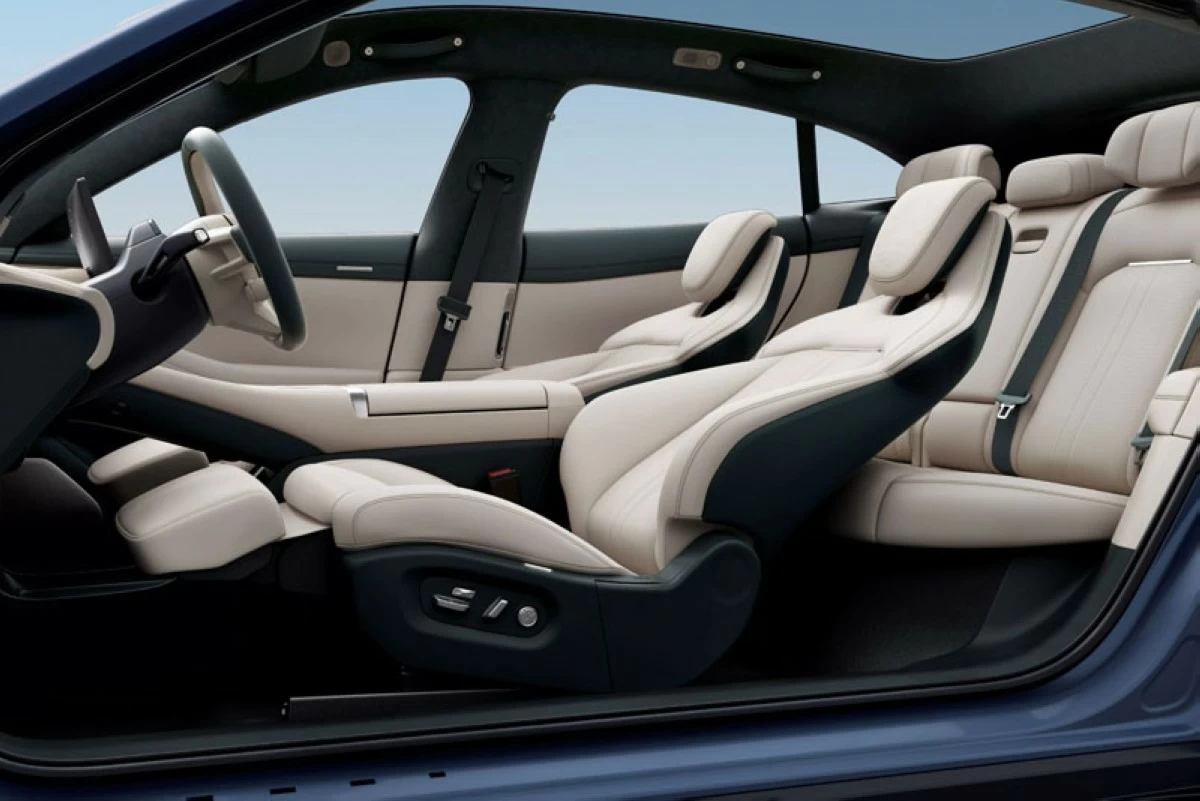
Regarding seating, the dual zero-gravity front seats, offer one-touch reclining and a 10-point massage. The pressure-relieving foam ensures plush comfort on short trips, while the high-density memory foam provides firm support for fatigue-free long journeys.
Power and range
The Xiaomi YU7 comes in three variants — Standard, Pro, and Max — all offering long-range capabilities. The Standard delivers an exceptional 835 km range (CLTC) with its 96.3 kWh battery. The four-wheel-drive Pro (96.3 kWh battery) and Max (101.7 kWh battery) also deliver outstanding CLTC ranges of 760 km and 770 km, respectively.
The batteries are built on an 800V silicon carbide high-voltage platform, achieving a 10% to 80% charge in 12 minutes and a 620 km charge in 15 minutes, the fastest charging time.
The Xiaomi YU7 has a maximum horsepower of 690-PS, a 0-100 acceleration time of 3.23 seconds, and a 253 km/h top speed.
The YU7 is also supported by a competent chassis. It’s held aloft by a front double wishbone setup, rear five-link independent suspension, closed double-chamber air spring + continuous damper control, Brembo four-piston fixed calipers, and Xiaomi smart chassis, etc.
Continuous damper control accurately matches road conditions, quickly adjusts the damping force, and combines rigidity and flexibility for greater comfort and sportiness. The closed dual-chamber air springs support 5 levels of height adjustment, with a maximum up and down adjustment range of 75 mm and a maximum ground clearance of 222 mm. At the same time, the air spring stiffness can also be quickly adjusted, with a high and low stiffness difference of over 40%, which makes drivers feel more comfortable while keeping the road feel for them.
Safety first
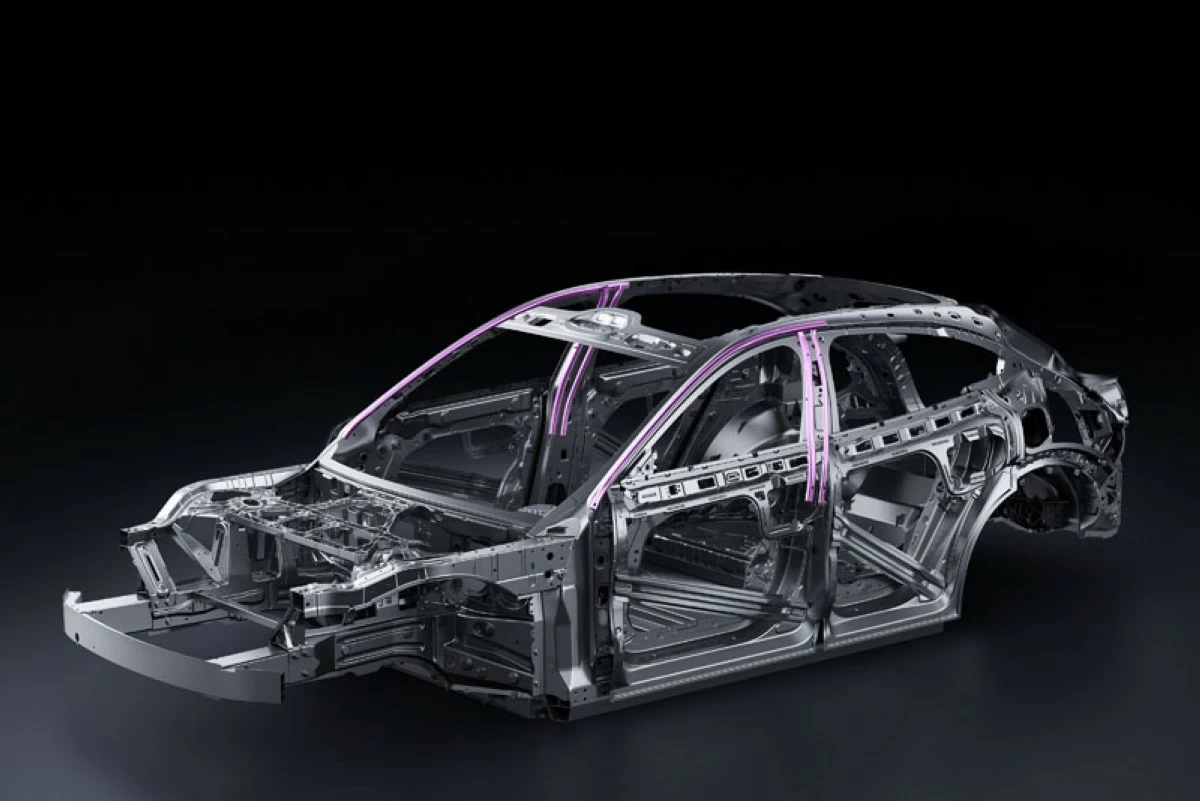
As for safety, the YU7 boasts of an armor-cage steel-aluminum hybrid body structure.
The armor-cage steel-aluminum hybrid framework delivers exceptional structural strength and withstands rear collisions at speeds of up to 90 km/h. A high-strength crossbeam has been added to the underbody, significantly reducing the risk of battery pack damage from road debris. The vehicle also features the same bulletproof coating used in Xiaomi SU7 Ultra, offering tear, scratch, and puncture resistance more than 10 times higher than traditional PVC coatings. This provides enhanced protection for the battery cells.
The Xiaomi YU7 combines elegant, dynamic styling with exceptional luxury and spacious comfort. Beyond its striking design, it leads its class in cutting-edge UI interaction, advanced technology, long-range, high-performance, and safety design. The official sales launch of the Xiaomi YU7 is scheduled for China in July. Availability in other markets will be announced soon.