






 Philippines
National
The Chief PNP Contenders: Will PBBM choose history with the 'Lakans'?
Philippines
National
The Chief PNP Contenders: Will PBBM choose history with the 'Lakans'?
The Chief PNP Contenders: Will PBBM choose history with the 'Lakans'?
First of four parts


At A Glance
- Will President Marcos choose the side of history by finally appointing a Lakan, or graduate of the Philippine National Police Acdemy (PNPA), or pick another one from the last men standing of the Philippine Military Academy?
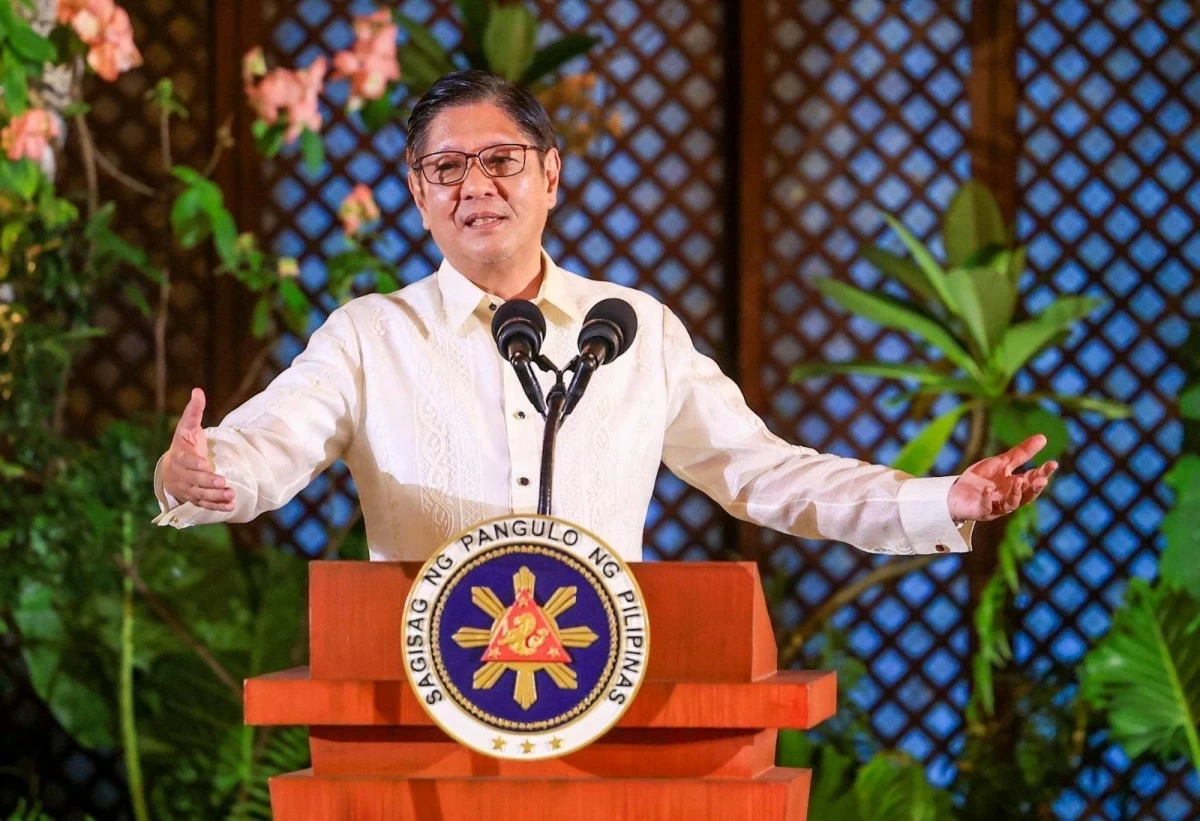
Since its inception in 1991, a total of 30 police generals—covering seven presidents— have already led the Philippine National Police (PNP). Yet, not a single one of them came from its very own Academy, the PNP Academy which is ironically touted as the cradle of police leaders.
President Marcos himself has already appointed three since he took over Malacañang in July 2022, the latest was Rommel Francisco Marbil.
With Marbil’s retirement scheduled on June 7 after a three-month tour of duty extension, this is the first time that the list of strong contenders for the next Chief PNP was dominated by names of “Lakans”, or graduates of the PNPA.
Will President Marcos choose the side of history by finally appointing a Lakan as Chief PNP, or pick another one from the last men standing of the Philippine Military Academy?
Let’s take a closer look at the background of the three top Lakan contenders in the race for the top police post.
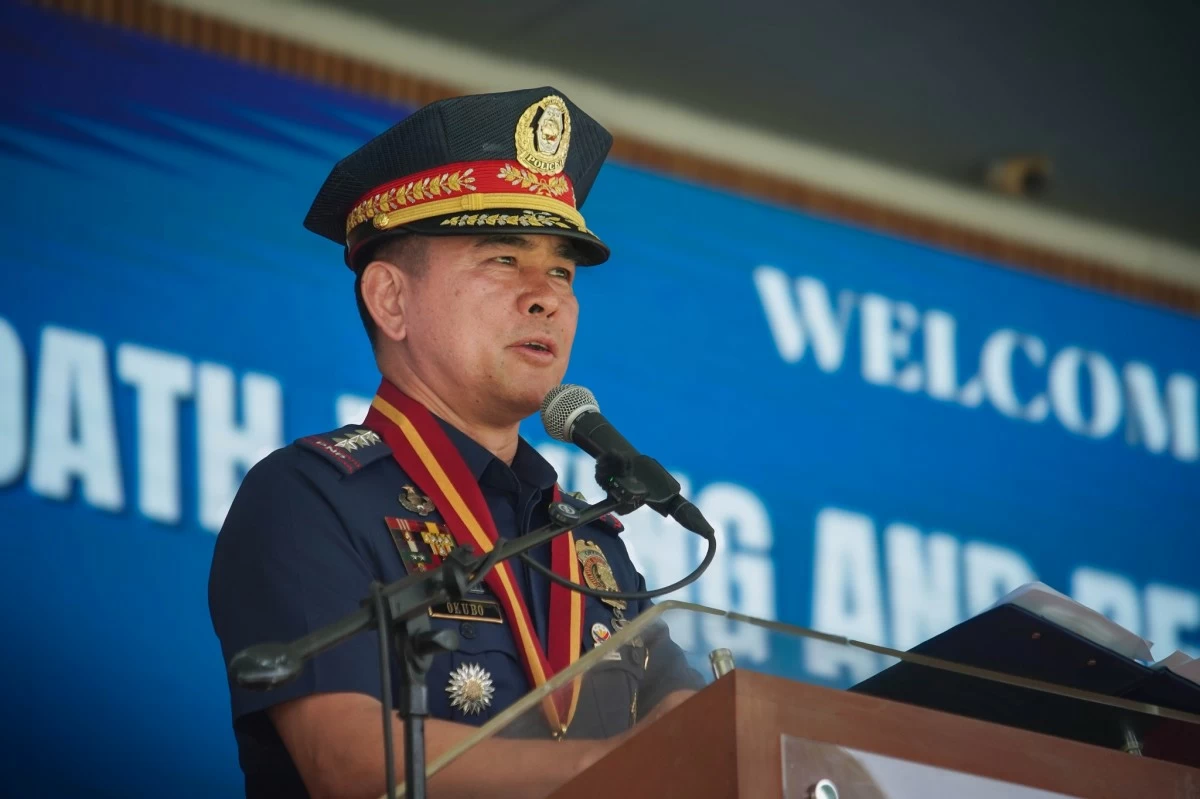
Edgar Alan Okubo: The silent warrior who delivers
He may be the least heard and seen among the contenders on mainstream and social media but the silence of Police Lt. Gen. Edgar Alan O. Okubo, currently the number four man of the PNP being the Chief Directorial Staff, is more than compensated by the long list of remarkable and surprising achievements ever since he graduated from the PNPA in 1992.
For instance, not everyone knows—even in the PNP community— that Okubo served as a war crime investigator for the Serious Crimes Unit of the United Nations Mission in Kosovo from 2005 to 2006.
As a war crime investigator, Okubo conducted in-depth investigations into Serbian atrocities
against Albanian communities in Kosovo, and—this may sound familiar—documented witness statements for the prosecution of cases in the International Criminal Courts (ICC) at The Hague in the Netherlands.
You may wonder where Okubo got the guts to go on foreign land investigating heavily-armed warriors. Well, aside from having the Igorot warrior blood as a native of Baguio City, he was trained and actually spent a lot of his junior years as an officer of the PNP’s most elite unit, the Special Action Force (SAF).
As the commander of the SAF’s Light Reaction Group, then police captain Okubo led a team of police commandos in engaging at least eight heavily-armed robbers in Alabang, Muntinlupa in July 2000.
Okubo was wounded in the gunfight but the fierce clash resulted in the death of six and arrest of two other heavily-armed and well-trained robbers who turned out to be dismissed members of the Army’s elite Scout Rangers.
But it’s not all guts for Okubo as he proved to be both a thinker and an innovator.
As a police major, Okubo drafted the Manual for the Field Training Program (FTP) of the PNP while serving as the head of the Operational Doctrine Section of the Directorate for Human Resource and Doctrine Development,
The FTP concept was aimed at providing newly graduated police officers with essential experience and training in Traffic, Patrol, and Investigation for a duration of 6 months before being assigned to active duty. Presently, the Regional Special Training Unit (RSTU) administers the FTP Program, and it continues to be based on the concept originally developed by Okubo.
As police colonel and head of the Records Management Division of the Directorate for Personnel and Records Management, he introduced the online Personnel Accounting and Information System (PAIS) that enabled the encoding of attrition orders directly from the Regional offices, facilitating real-time cancellation of salary payments for attrited personnel, thereby addressing the financial loss issue.
He also served as provincial director of Cebu, chief of staff at the Criminal Investigation and Detection Group and deputy director for Operations and Administration of the Davao Regional Police before he was named as the SAF director in August 2022.
But it was his stint as the director of the National Capital Region Police Office (NCRPO) that Okubo’s forward-looking mindset in crime-fighting and in crime prevention shined.
As the NCRPO director, Okubo introduced the concept of integrating drone operators in local police stations in Metro Manila which was deemed a significant advantage for the police force as it enables them to gather vital intelligence, conduct surveillance in critical areas, and enhance overall operational efficiency.
Aside from the use of drones, Okubo also proposed the creation of specialized cybercrime units in every police station in Metro Manila in order to effectively combat the growing number of cybercrimes and encourage more victims to seek police assistance.
Prior to the declaration of President Marcos of his dream to have a five-minute response time of the police, a three-minute response time was already conceptualized under the leadership of Okubo at the NCRPO with the establishment of the Integrated Command and Control Centers (IC3) in all the five districts in Metro Manila.
“These IC3 centers serve as the nerve center for the NCRPO, with the prototype being the Command Center of QCPD. The implementation of these centers enables t h e police force to swiftly and effectively respond to emergencies, with a remarkable goal of achieving a three-minute response time,” Okubo was then quoted in an interview.
In this effort, the command center is anchored on the installed CCTV systems of the local government units.
Okubo was also credited with the capacity-building of a police tactical motorcycle unit for fast police response, the deployment of female police officers as desk officers in police stations and the integration of more policemen in the barangays for six months to win the hearts and minds of the people in the community.
A bemedaled police officer that includes Medalya ng Katapangan (Bravery Medal) and Medalya ng Sugatang Magiting (Wounded Personnel Medal), Okubo is the first PNPA graduate to become SAF director and NCRPO director.
Will fate be kind anew for his third and final first—as the first PNPA graduate to become the Chief of the Philippine National Police?