







As often happens when there is an increase in Covid-19 cases here or in other parts of the world, my phone and messaging apps get deluged with questions on whether this is yet another doomsday scenario. Apparently, Singapore, Thailand, and Hong Kong were reporting thousands of new SARS-CoV-2 infections, and there were the usual viral messages urging people to be careful and to wear masks. I’ve lost track of how many of these messages have been sent to me for vetting, and the answer is always the same: No, there is no new deadly SARS-CoV-2 variant, and the increase in cases is likely still SARS-CoV-2 trying to find its niche with seasonal respiratory viruses such as influenza and respiratory syncytial virus (RSV).
Is Covid-19 making a comeback?
How prepared is the world for another pandemic
Published May 26, 2025 01:43 pm


At A Glance
- If updated boosters do become available, we should prioritize high risk populations such as the elderly and those with significant comorbidities, as well as healthcare workers.
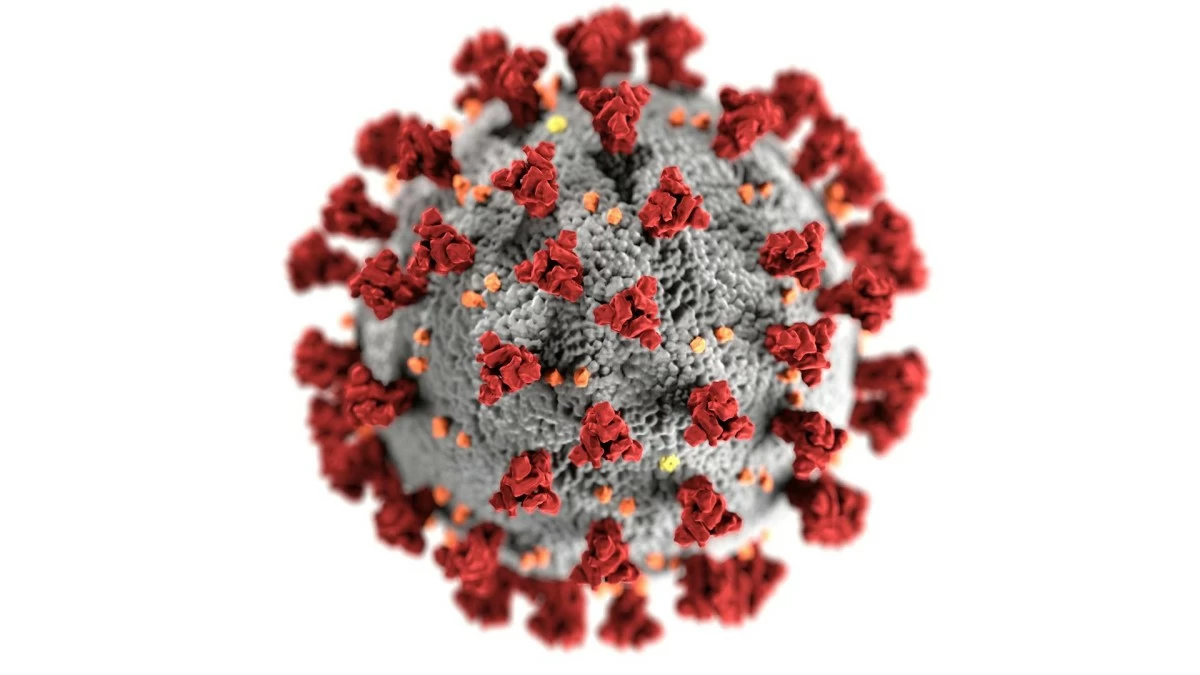
A quick look through more sedate reports clearly shows that the spike in cases has not resulted in hospitals overflowing with admissions or in unusually high numbers of severe cases or deaths. Similar to the flu season, when there is a rise in the number of respiratory illnesses, the number of tests done naturally increases. Therefore, the number of positive cases also increases because these get detected. Very few people get tested for Covid-19 nowadays in the Philippines since testing cost remains out of pocket. But in other countries, public health officials regularly do surveillance and require hospitals to test and report the numbers to them. Naturally, there is no parallel increase locally although a quick eyeballing does show that there are a lot of people coughing and screening. At least some of those cases will be Covid-19, but they are not likely to get tested unless they end up with severe disease in the hospital or if they voluntarily test themselves.
What is important is that the healthcare system is not threatened by these seasonal spikes. The initial vaccination and boosters seem to continue to protect against severe disease despite the lack of recent boosters. The current SARS-CoV-2 lineages have also adapted to human populations. They remain quite infectious, but the mutations have not resulted in increased virulence. There hasn’t been a new variant of concern (VOC) since Omicron. The latest variant of interest (VOI) is still JN.1, which is an Omicron sublineage. It was designated as such last December 2023, and the public health risk remains low. The current variants under monitoring (VUM) are KP.3, KP.3.1.1, LB.1, XEC, and LP.8.1. Except for LP.8.1, which was added in February 2025, all the other VUMs are from 2024 and are considered low public health risks.
The current cases in Singapore are being driven by two JN.1 sublineages, LF.7 and NB.1.8, which have not shown increased severity or mortality. These lineages have not been designated as separate VUMs or VOIs, which means that the current behavior of these virus lineages is just like JN.1. What works for JN.1 will work for these viruses as well. The usual non-pharmacologic prevention measures are expected to decrease the risk of infection. These include the use of a medical-grade mask or better when in crowds or if with symptoms; staying home if you are sick; and good hand hygiene and cough etiquette. Treatment with nirmatrelvir-ritonavir (Paxlovid) and remdesivir will still work along with other supportive measures.
What about vaccination? Updated vaccines are still not available in the Philippines despite several updated vaccines having been approved in the US. The latest of updated vaccines target either KP.2 (mRNA vaccines) or JN.1 (Novavax protein vaccine). The US has had the most liberal Covid-19 vaccine booster recommendations globally until recently. In 2023 and 2024, the US recommended boosters for all ages, compared to age-based and risk-based recommendations for most developed countries. Currently, the US FDA is looking to narrow the broad-based approach of boosting, and limiting updated boosters to 65 years old and above or those at increased risk for severe Covid-19.
My personal view is that the previous vaccinations continue to protect against severe disease even without the availability of updated boosters. If updated boosters do become available, we should prioritize high-risk populations such as the elderly and those with significant comorbidities, as well as healthcare workers. There are also children who have not received a single dose of the Covid-19 vaccine since they were not old enough to qualify when these were being given. They need to receive their two or three primary Covid-19 vaccine doses, which are no longer available locally, and so I hope that one of the vaccine manufacturers brings their vaccine into the country soon. Any of the updated vaccines can also serve as primary shots. The US FDA approval of an updated protein subunit vaccine (Novavax) may also give us an option of an easier-to-handle vaccine compared to mRNA vaccines, which need temperatures as low as -80 degrees Celsius for proper storage. This is all predicated on the availability of these vaccines from the manufacturers and local FDA approval for the updated vaccines.
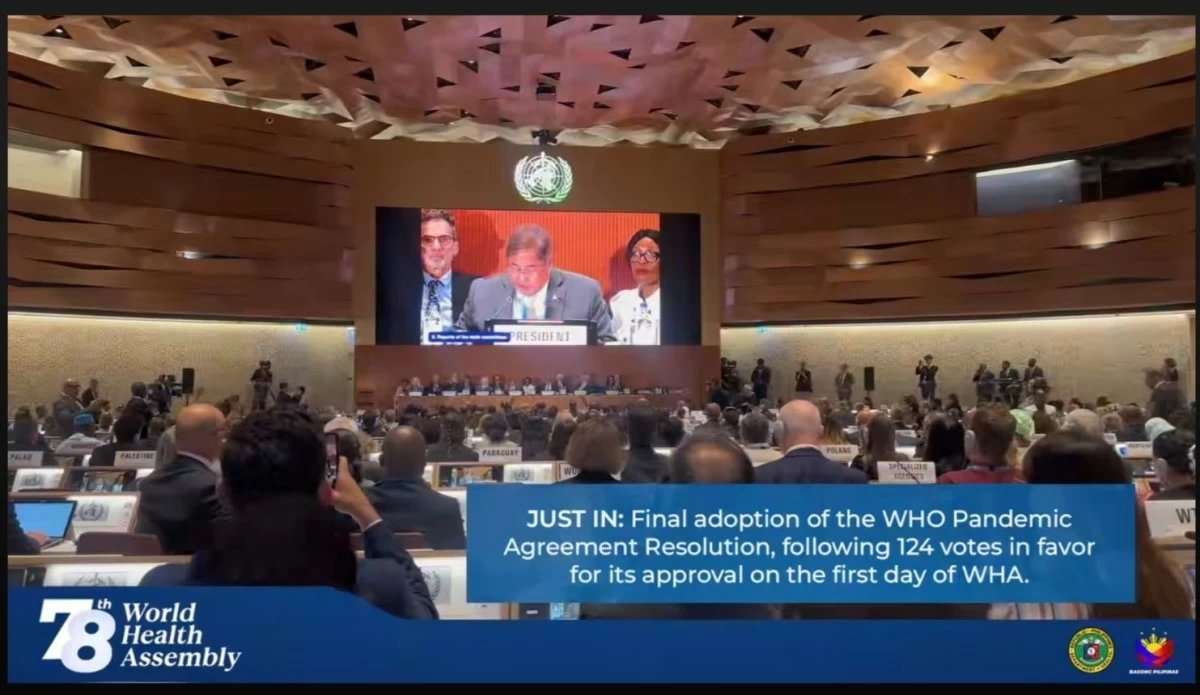
In the meantime, our country and the rest of the world need to prepare for the next pandemic. A major step in the right direction was taken last May 19, 2025, when the World Health Assembly (WHA) adopted the Pandemic Agreement, with the Philippines taking the lead in the adoption of the resolution. Department of Health Secretary Teodoro J. Herbosa was elected the president of this global body, and there were no objections to the approval of the resolution. The Pandemic Agreement outlines a harmonized global response during pandemics, which ensures smooth sharing of scientific information, including genomic data, as well as testing, vaccines, and treatment. More importantly, it seeks to make access to tests, vaccines, and treatment equitable between developed and resource-limited countries. It does not impinge on any nation’s sovereignty as some fake news articles have claimed, and the text of the agreement is posted in public, with the entire process being transparent over the last three years.
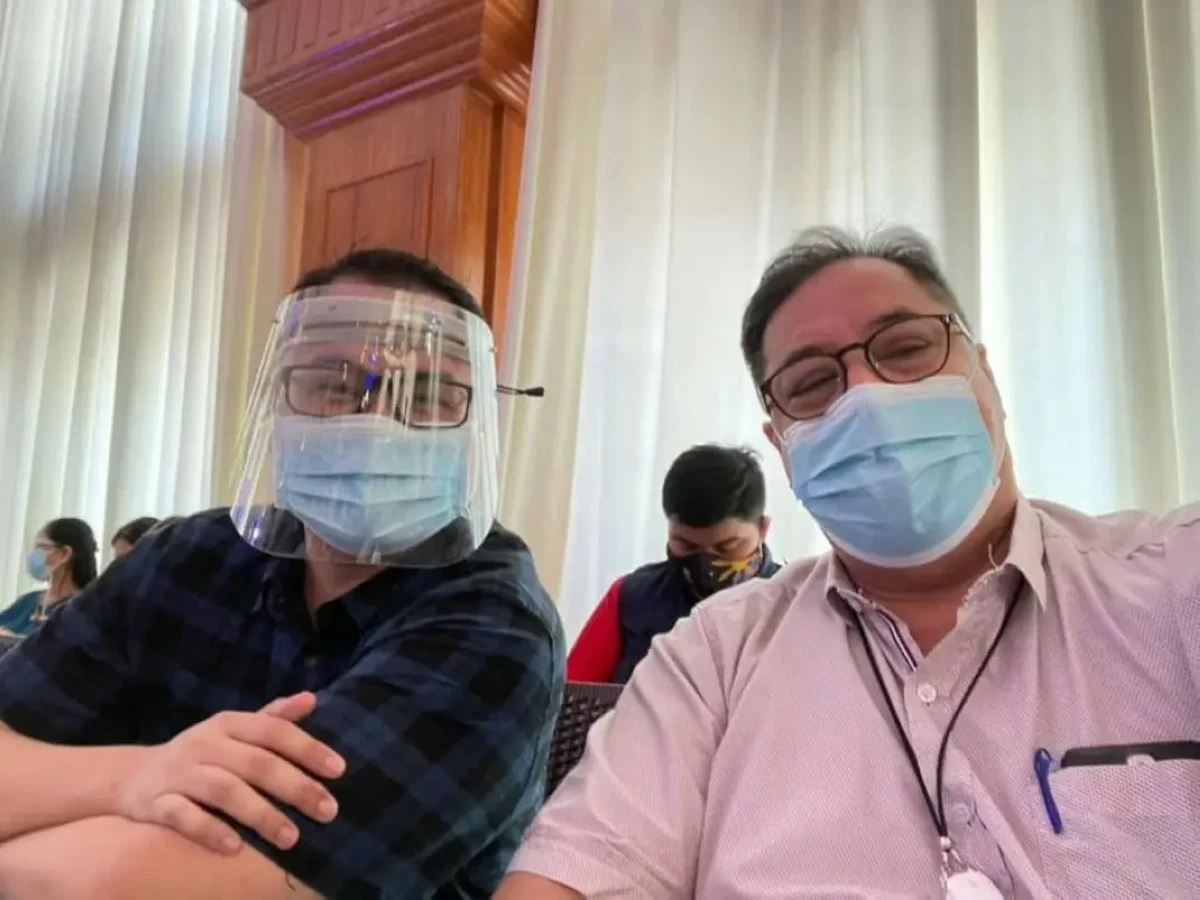
A LOOK BACK The author and then NTF Medical Consultant and Spokesperson Dr. Teodoro Herbosa in Cebu in 2021 explaining the rationale behind quarantine measures to the Provincial Board. (Photo from Dr. Teodoro Herbosa | Facebook)
Sec. Herbosa’s presiding role in approving the Pandemic Agreement is particularly fitting as he was a true frontliner during the Covid-19 pandemic. Sec. Ted served as a medical consultant and spokesperson for the National Task Force Against Covid-19 (NTF) which was the implementing arm of the IATF-EID. His role involved flying all over the Philippines with Chief Implementer Sec. Charlie Galvez even before vaccines were available and he consequently ended up getting infected with Covid-19 multiple times. He knows firsthand the difficulties and complexities of managing a pandemic and the importance of adequate planning and logistics. It is hoped that the Pandemic Agreement will save lives by putting into action the lessons learned during the last pandemic and ensure that all nations are able to adequately protect their citizens when the next pandemic occurs.