






 Environment and Sustainability
Beneath the surface: From marine cleanups to tree planting, AboitizPower aligns power generation with local environmental action
Environment and Sustainability
Beneath the surface: From marine cleanups to tree planting, AboitizPower aligns power generation with local environmental action
Beneath the surface: From marine cleanups to tree planting, AboitizPower aligns power generation with local environmental action


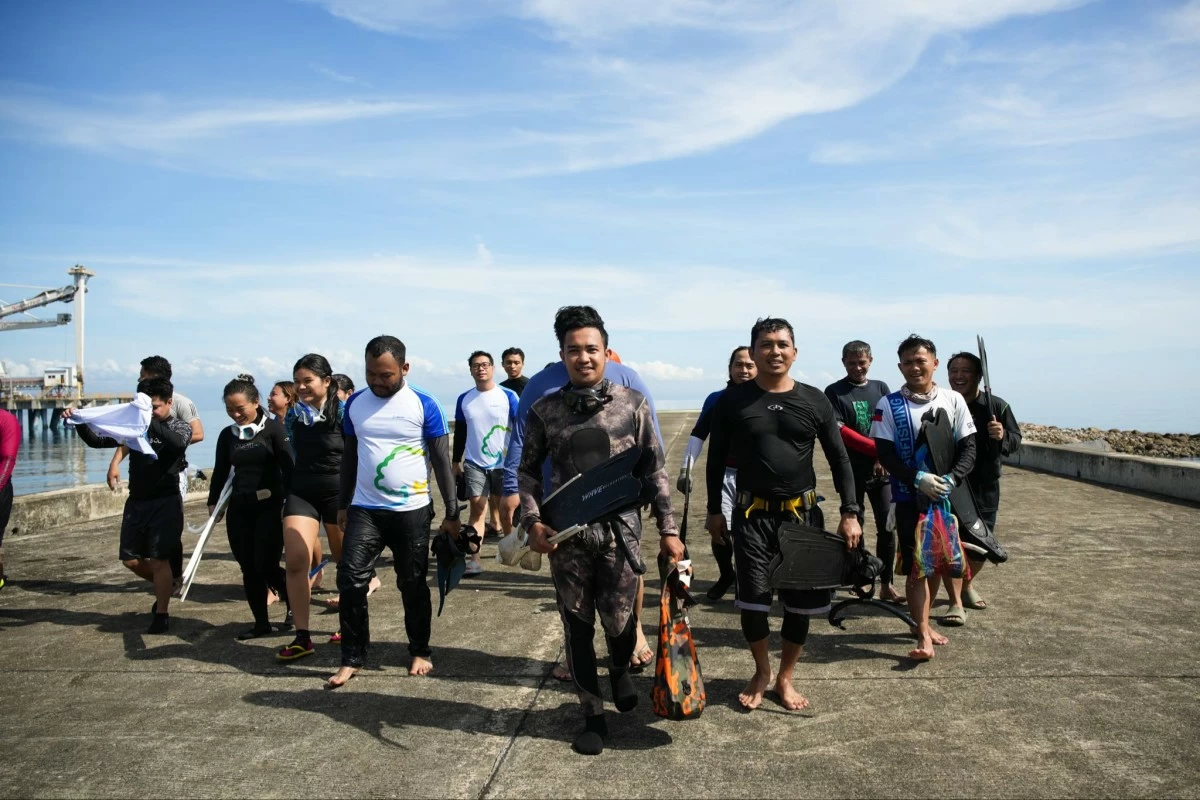
For the people of Toledo City, Cebu, the ocean is more than just a view — it’s a lifeline worth preserving.
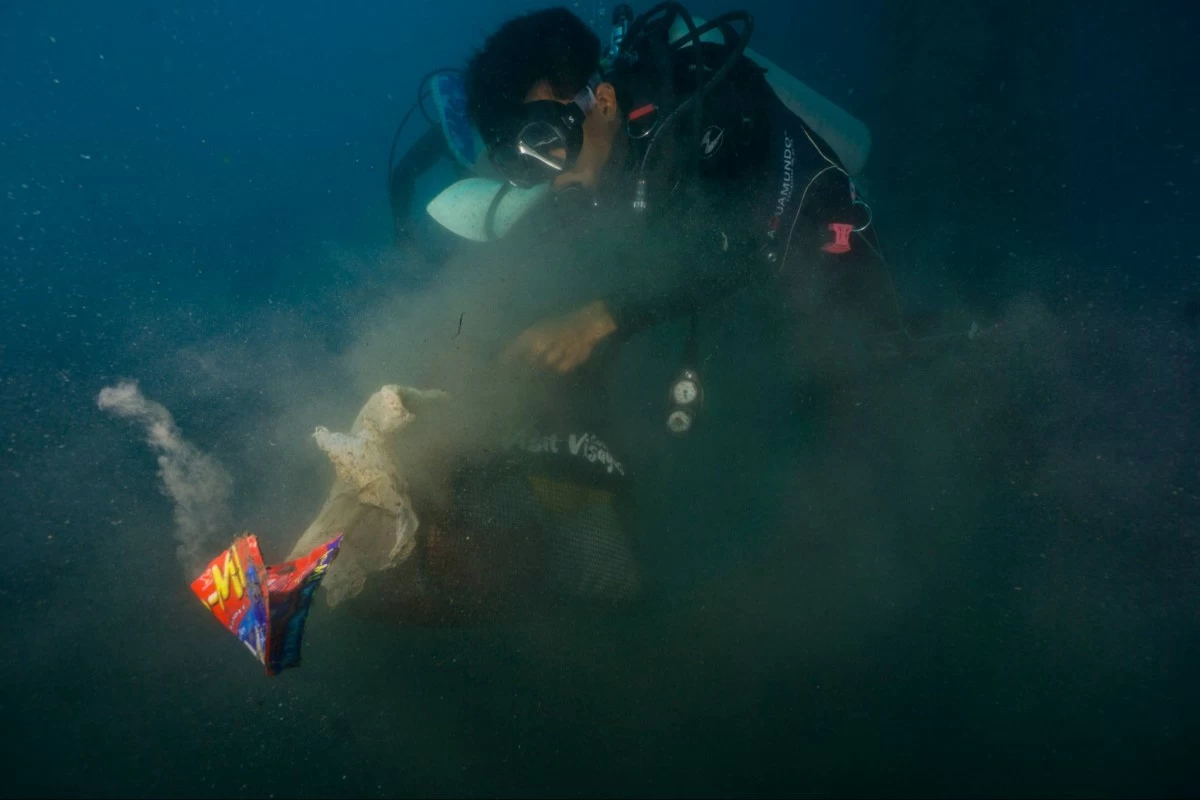
Along one of its coasts, Aboitiz Power Corporation (AboitizPower), through its subsidiary Therma Visayas, Inc. (TVI), is working with the Scubasureros to protect marine ecosystems. Scubasurero — a combination of the terms scuba diving and basurero or garbage collector — brings together volunteers who dive, collect underwater waste, and monitor marine life. Together, they show how small, consistent actions can make a big difference.
The first Scubasurero initiative in April 2022 was an underwater cleanup in Barangay Bato, an area near the TVI facility and situated within the Tañon Strait Protected Seascape, which is the largest marine protected area in the country. The dive, supported by various groups and local volunteers, collected over 170 kilograms of waste, mostly plastic.
Since then, the program, together with supporting coastal clean-up initiatives, has cleared nearly 11,500 kilograms of waste from Toledo’s waters.
“We’re really thankful for the strong partnership we’ve built with the barangays and government agencies like the Environmental Management Bureau and the Department of Environment and Natural Resources,” said TVI Environmental Supervisor Emalyn “Ems” Sevilla. “They help us understand the needs on the ground through site inspections, visits, and even during our Information, Education, and Communication seminars.”
“Community members are vocal about what they need, so we’re able to tailor our programs to be more sector-based and responsive to those needs,” she further explained.
Between 2017 to 2023, AboitizPower contributed to UN Sustainable Development Goal 14, or Life Below Water, through 246 coastal and river cleanup activities, resulting in over 162,000 kilograms of waste collected.
The Scubasurero dives offer more than waste removal, they also give way for marine biologists to assess the health of Toledo’s coastal waters. Each dive provides valuable data on coral health, fish populations, and other ecosystem indicators, guiding both immediate and long-term conservation efforts.
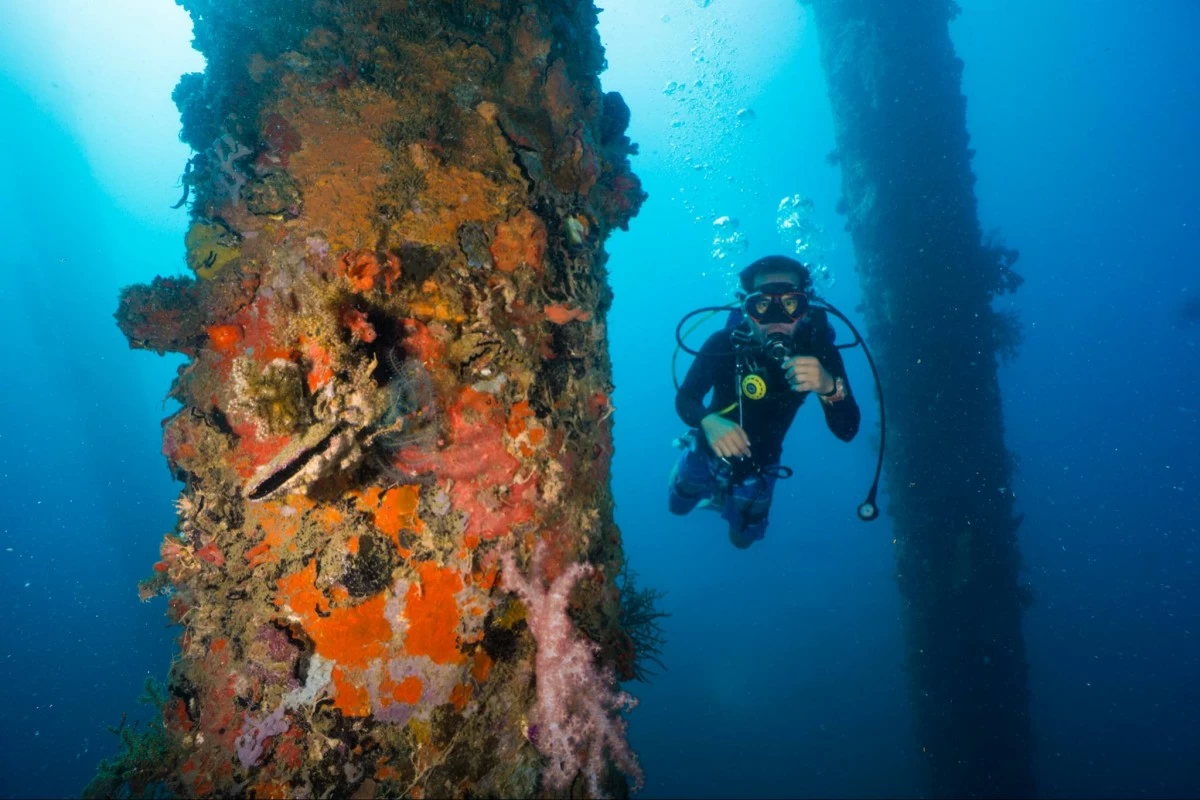
Marine biologists Agnes Sabonsolin-Bautista and Roxie Diaz, who joined the program in 2024 and 2022, respectively, were excited to explore the jetty’s underwater columns. Their scientific training and passion for underwater photography made them eager to document the area.
“What makes this place stand out is how clear the water is. When you visit most piers, you’ll usually find barnacles, or species that can survive in murky conditions. But here, you’ll see sea fans, soft corals, hard corals — there’s a lot going on,” Bautista observed. “The ecosystem is really healthy and there’s also plenty of fish, even in the shallow parts.”
Diaz explained that the abundant marine life is likely due to several factors, including how the area is largely undisturbed, how there is a nearby protected reef that serves as a source of marine organisms, and how strong environmental regulations are enforced, allowing species to thrive along the submerged structures.
Both found a thriving fish population under the jetty, from sweetlips, groupers, butterflyfish, snappers, lionfish, to eels. One section even had 10 fully grown lionfish clustered together, suggesting it could be a permanent habitat. This behavior mirrors findings from a Marine Biodiversity Assessment by Ridge to Reef, which documented 56 fish species, six seagrass species, and 14 mangrove species along the coastline.
“It’s really an unintended haven — an unexpected ecosystem, especially in the shallow areas,” Diaz said. “One spot in particular felt like a gate to heaven. The columns are massive, and when the sunlight filters through at certain times of the day, the beams almost dance as the surface distorts them. It’s so beautiful — perfect for a profile picture or social media post.”
Both biologists have also observed strong signs of ecological recovery at the TVI site, from reduced waste to vibrant coral growth, even on man-made boulders. Bautista emphasized the importance of continuing these efforts, noting how coral colonies now thrive in areas once thought unlikely to support marine life.
In the future, Diaz hopes to conduct formal studies to understand the relationship between the jetty ecosystem and nearby natural reefs, exploring the ripple effect of preservation.
Meanwhile, the local community is also working together to protect what they’ve long depended on. Leo Jay Canonigo, one of its resident divers, has fished in the area since he was just twelve.
During the pandemic, when most people stayed at home, Leo and a few others found refuge in the sea. That’s how Toledo Spearo, a local spearfishing group, began. From a small group of free divers, it evolved into a team focused on protecting the ocean.
“When we first cleaned the marine sanctuary, we found so many empty shells — clams harvested and just thrown away. It was heartbreaking,” he said. “There were also illegal nets. But on our second dive, those were gone. Since then, the sanctuary has stayed clean.”
Through the program, locals began to notice the change, often thanking the divers as fish began to return. With help from AboitizPower and TVI, the livelihoods of the fisherfolk were also supported.
“In Barangay Bato, some of us didn’t have boats, so they helped build and donate them. Now we use them to earn a living,” Leo said.
Protecting the ocean has now become a shared responsibility, with programs like Scubasurero showing how industries, marine biologists, and local communities can work together to protect marine life.
For those involved, it’s not just about removing waste, but also about making better choices and setting a clear example of how environmental protection can be part of everyday work.
TVI operates the 340 megawatt Toledo power plant in Barangay Bato, Toledo City, Cebu. The facility features a coal dome and screw-type unloader to prevent coal dust and spillage. Real-time emissions monitoring ensures compliance with the Philippine Clean Air Act.