






It is an understatement to say that the Philippines is a foodie’s paradise. Each region of the country offers something unique—from traditional eats and modern cuisines to dishes that champion endemic ingredients. In Manila alone, one could simply walk the streets and experience dining like no other. One of the go-to spots in the capital is Maginhawa Street in Quezon City.
Manila Bulletin
 Lifestyle
Food
Style Weekend: Maginhawa Street unites foodies in a feast of flavor and culture
Lifestyle
Food
Style Weekend: Maginhawa Street unites foodies in a feast of flavor and culture
Lifestyle
Food
Style Weekend: Maginhawa Street unites foodies in a feast of flavor and culture
Style Weekend: Maginhawa Street unites foodies in a feast of flavor and culture
Small kitchens, big dreams: The street's homegrown food scene takes center stage
By John Legaspi
Published May 24, 2025 05:27 am


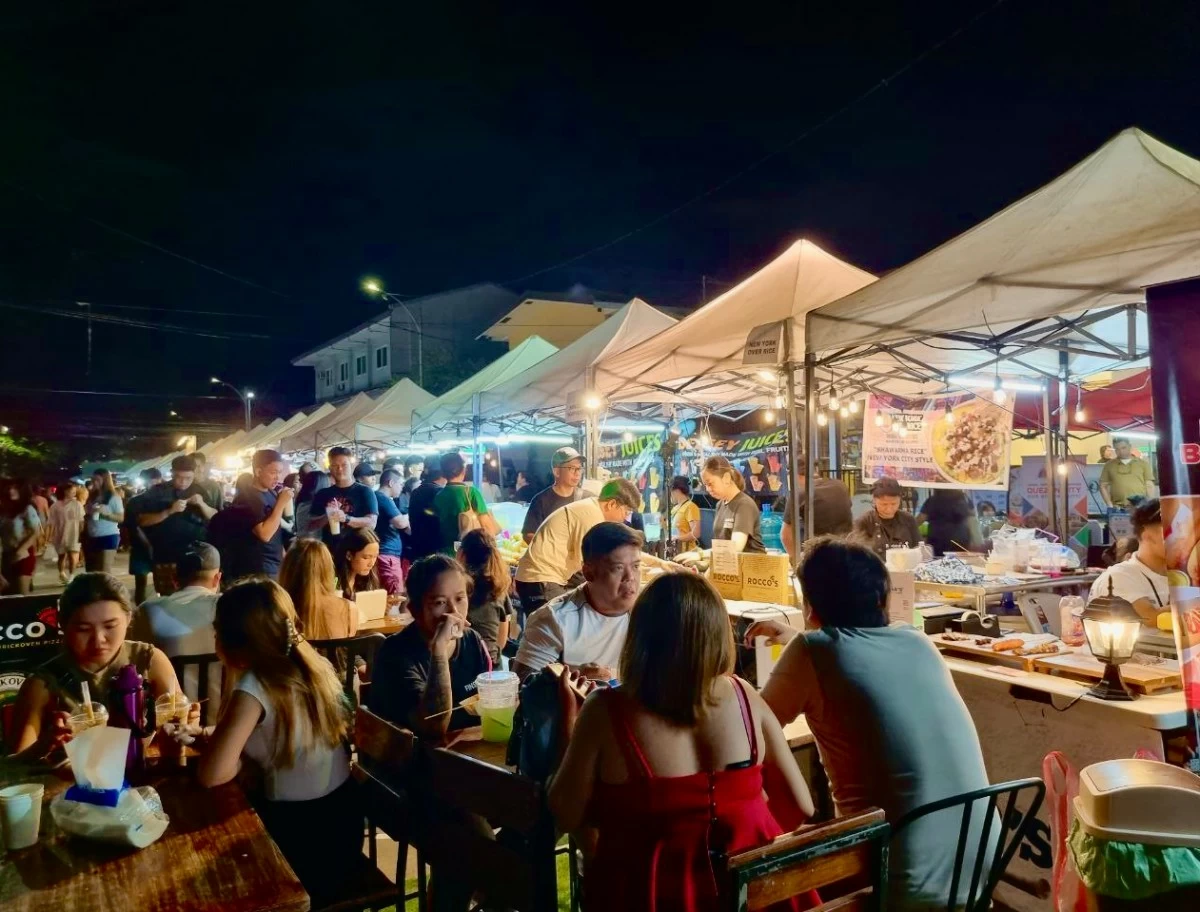
Foodies flock to Maginhawa Street at night for late-night bites and local delights. (Photo from Maginhawa Food Community/Facebook)
For years, this quiet neighborhood has captured the taste buds of local and international foodies with its vast array of restaurants. What sets it apart is that the businesses featured aren’t big brands, but small enterprises that started in family kitchens, fortified by people’s passion for good food and sharing that experience. Eventually, Maginhawa Street didn’t just become a home for homegrown restaurants, but also for a community that thrives on creativity, resilience, and a shared love for culture and cuisine.
A testament to this sense of community is the Maginhawa Summer Festival. The event is one of the annual activities held on this humble street. Led by the Maginhawa Food Community, the festival is now in its second year and offers a lively experience for people to discover beloved food spots and hidden gems of the neighborhood.
“This is the second Maginhawa Summer Festival. It’s inspired by the annual Maginhawa Arts and Food Festival, which happens every first Saturday of December,” shares Jules Guiang, president of the Maginhawa Food Community, in an interview with Style Weekend. “There’s a city ordinance in Quezon City that mandates the city to organize one. We’re thankful to Mayor Joy Belmonte for trusting the Maginhawa Food Community to implement it since 2023. So we thought of doing a summer version to also provide a space for Maginhawa and non-Maginhawa restos to celebrate what we do with food, music, and arts.”
In a conversation with Style Weekend, Jules shares more about what’s in store for this year’s summer festival, the best way to spend a foodie weekend in the neighborhood, and what makes Maginhawa Street a uniquely vibrant destination that blends culinary discovery with community spirit.
First of all, can you share with us the story behind the Maginhawa Food Community? Who are the people behind it, and how did it all begin?
Pre-pandemic, I initiated a petition for the local government unit (LGU) to address the frequent towing of cars, as it affected our customers. Fast-forward to 2021, we had a bigger challenge to face: bouncing back from the pandemic—not just as individual stores, but collectively as a community of micro, small, and medium enterprise (MSME) restaurants.
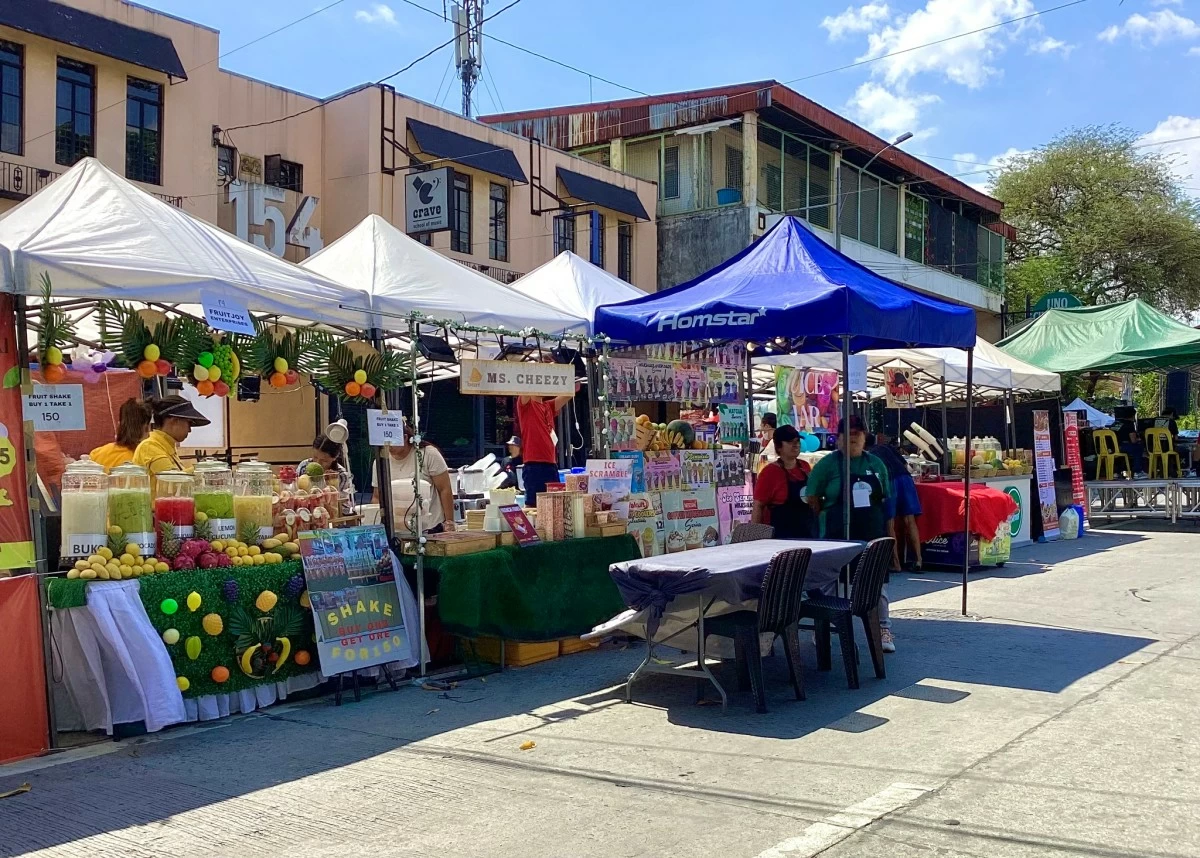
Homegrown food and beverage brands lined the alleys of Maginhawa. (Photo from Maginhawa Food Community/Facebook)
What can people look forward to at the Maginhawa Summer Festival? What shouldn’t they miss?
We have about 80 food and non-food merchants. Since the area is a mix of residential and commercial spaces, we’ll kick things off with a free Zumba session by Anytime Fitness Maginhawa. This will be followed by a Palarong Pinoy for residents. The Quezon City Symphonic Band will play in the afternoon, followed by performances from Anima Tierra and Motherland PH. In the evening, there’s a free concert headlined by Sandwich. We’ll close the program with a fun drag show.
For years, Maginhawa has been a go-to spot for great food any time of the day. How did it rise to become one of the dining hotspots in Metro Manila?
As someone who grew up in the area since the late ’90s, I’ve seen how residents slowly converted their homes into small restaurants. It’s the same story for my family’s restaurant, Urban Chick. We just opened our gate, and my mom cooked our favorite baon for school. Fast-forward to 2025, our family business is now a fully operational restaurant. Along and around Maginhawa, there are at least 150 restos. The LGU’s city ordinance disallowing big brands to open in the area has been very helpful for small restaurants to thrive.
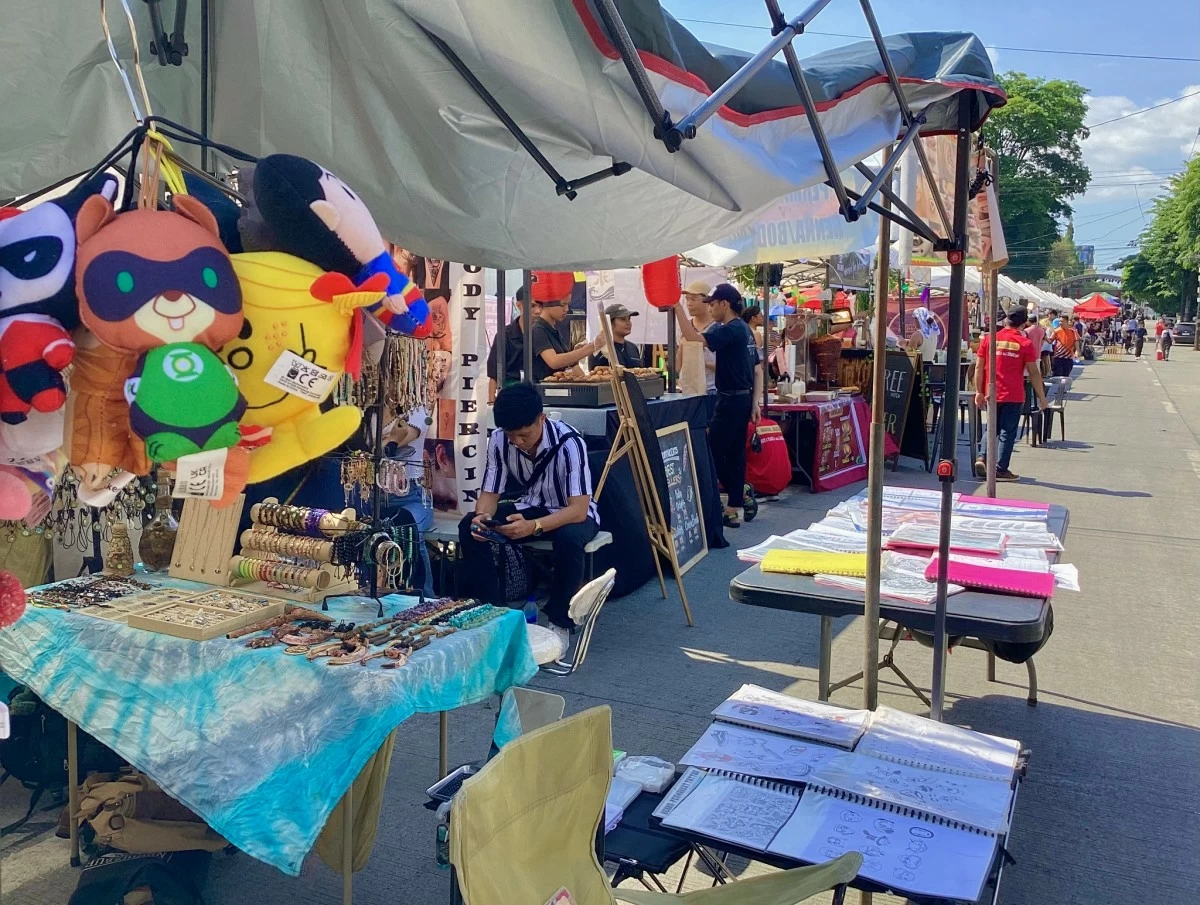
Apart from food, people can also discover art and anik-anik at the festival. (Photo from Maginhawa Food Community/Facebook)
If you were to recommend a foodie weekend on Maginhawa Street, what would your ideal dining itinerary look like?
I usually ask what kind of food they’re into. Of course, biases aside, I’d recommend our family resto Urban Chick for a fusion of Filipino and American diner experience. Or try the unli meals at Tomato Canon, dishes from Black Betty Diner, Mexican food at Puesto, Filipino cuisine at Roberta’s, and grab a pizza from the OG—Friuli. Then, you can enjoy coffee at Daily Habit, Kape Segundo, or Coffee Nook, or try refreshing drinks at Bubble Dreams or Mango Magic. You can also have chocolate-dipped strawberries at Chocoberry or halo-halo at Matteau’s. To cap your foodie weekend, visit La Rosa Vino for wine, get hard drinks at Noki & Escapee, or dance the night away at The Sanctuary.
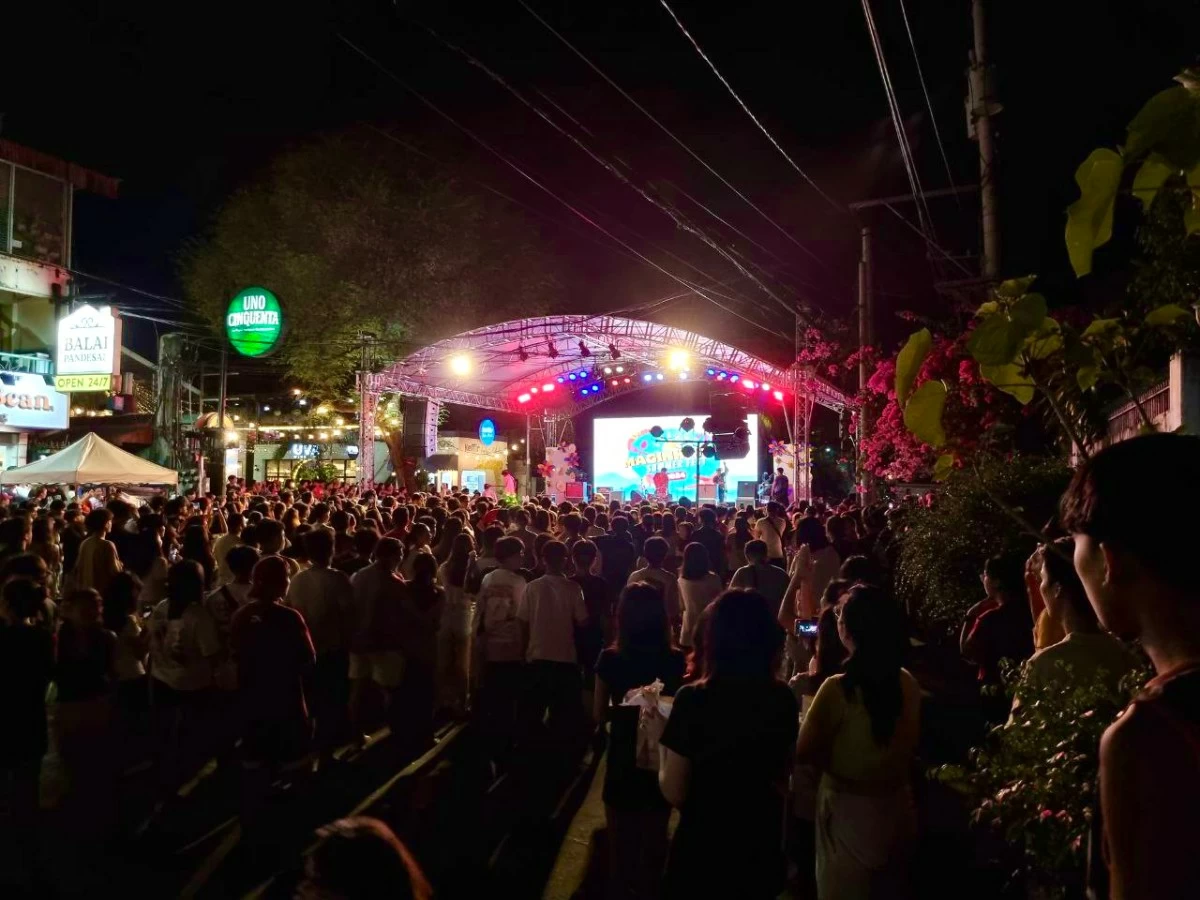
A view of last year's Maginhawa Summer Festival (Photo from Maginhawa Food Community/Facebook)
Aside from dining, what other experiences or new attractions should people try when visiting Maginhawa Street?
The Quezon City Government is giving all alleys here a facelift—those that connect inner streets to Maginhawa. They make great Instagram or TikTok spots. People can also jog here since Maginhawa stretches over two kilometers.
What can our readers look forward to next from the Maginhawa Food Community?
We’ll be actively working with the Quezon City Government and Pride PH for the upcoming Pride Month. In December, we’re organizing the Maginhawa Arts and Food Festival! Zooming out, aside from these events, we also hold capacity-building training sessions for our member-restaurants to help improve their operations.