ADVERTISEMENT

For every player, a safer game: DigiPlus, BingoPlus Foundation mark Problem Gambling and Gaming Awareness Month with tools and training

Published May 23, 2025 11:29 am

In the fast-growing digital gaming landscape, few players are committed to safety as they  are to fun. This Problem Gambling Awareness Month, DigiPlus Interactive Corp., through its social development arm BingoPlus Foundation, reaffirms its industry leadership in responsible gaming, highlighting its pioneering use of in-app safeguards, real-world financial education, and company-wide mental health training to protect and empower Filipino players.

With over 40 million registered users and more than 130 physical sites, DigiPlus is the country’s largest integrated digital entertainment ecosystem. But behind its scale is a human-first approach to gaming - one rooted in empathy, protection, and shared responsibility.

At the core of this commitment is GameSmart, a responsible gaming program grounded on the three pillars: prevention, education, and intervention.

A three-pillar framework: Prevention, education, and intervention

Through advanced in-app tools: custom time and spending limits, facial recognition, and e-KYC protocols, DigiPlus empowers players to take control of their own habits while shielding minors and at-risk groups from exposure. These aren’t just features, they are built-in guardrails designed to make responsible play second nature.

One of the foundation’s most impactful efforts is the “Pusta de Peligro” campaign, a public advocacy drive that reframes “Petsa de Peligro”, a term familiar to everyday Filipinos, as  a moment to pause and reflect on responsible choices.

Education happens where it matters most: in the everyday moments of playing and decision-making. The Foundation’s “Tamang Laro, Tamang Panalo” campaign delivers financial coaching to both jackpot winners and targeted sectors in barangays, teaching practical skills like budgeting, debt management, and saving smart. From livestreams to barangay halls, the message is the same; real fun means being in control.

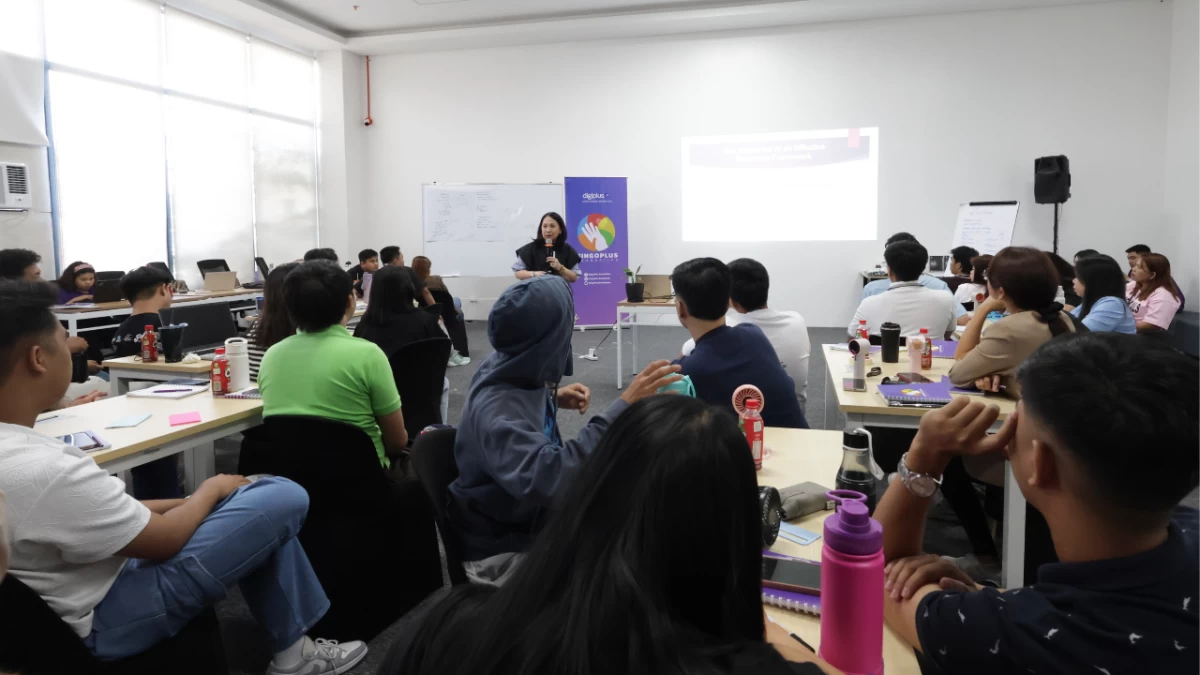
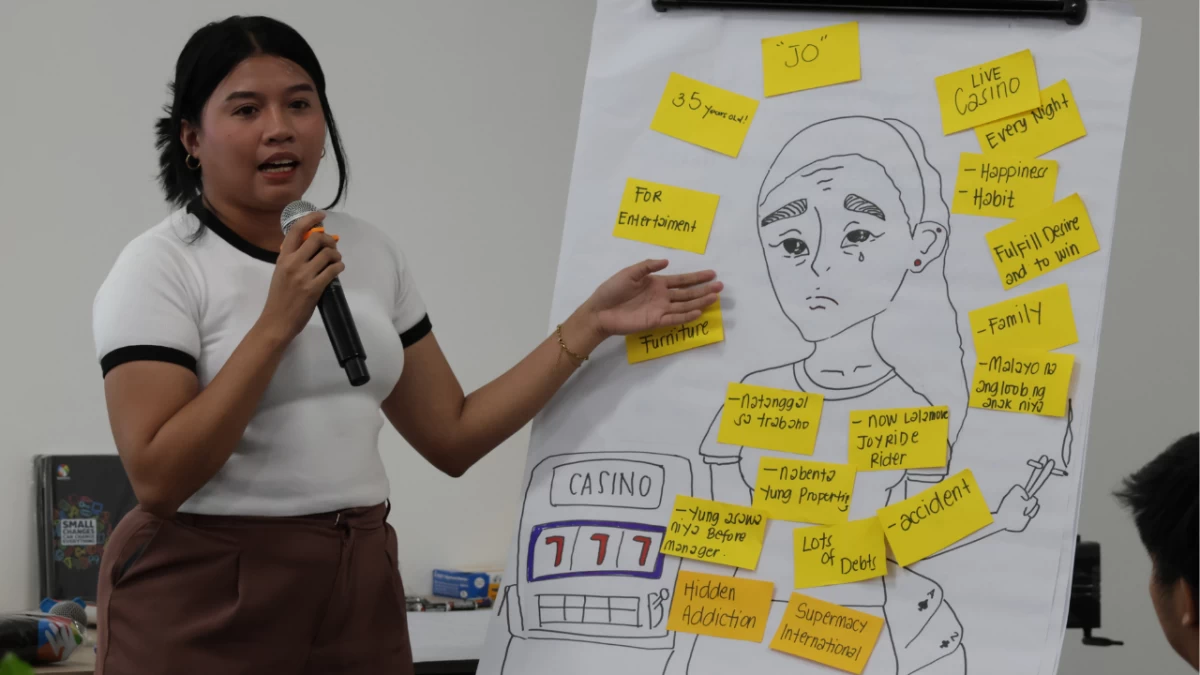
Intervention is available when players need it most. DigiPlus has begun training frontline staff and customer service teams to spot red flags and offer mental health first aid. In partnership with organizations like Seagulls Flock, the Foundation is building systems that emphasize compassion, not punishment - ensuring no player feels alone when facing risky behavior.

Beyond compliance

Beyond its compliance with regulations, DigiPlus believes that understanding the human story behind every player is the key to long-term, sustainable entertainment. Through BingoPlus Foundation, the company brings responsible gaming efforts to where its customers live, work, and play – across stores, digital platforms, and communities.

These efforts are just part of a broader ecosystem of care. BingoPlus Foundation has allocated ₱150 million in 2025 toward social programs under four pillars: Technology Education, Accessible Healthcare, Community Resilience, and Responsible Digitalization. Responsible gaming is not a one-off campaign - it’s embedded across everything DigiPlus does.

“Problem gambling is real - but so is the power of technology, education, and community to prevent it,” said Angela Camins-Wieneke, Executive Director of BingoPlus Foundation. “At DigiPlus, we don’t just check compliance boxes. We’ve built an ecosystem that protects players, empowers families, and multiplies the good across every corner of the country.”

Looking Ahead

DigiPlus and BingoPlus Foundation are expanding their efforts even  further. This year, the Foundation will launch new digital learning modules, host community dialogues, and scale partnerships with LGUs, schools, and healthcare professionals to build a wider safety net for players.

Because as we play, we can protect. As we win, we can uplift. And as we grow, we can multiply the good- together.

Related Tags

Digiplus Interactive Corporation BingoPlus Foundation
ADVERTISEMENT
.most-popular .layout-ratio{ padding-bottom: 79.13%; } @media (min-width: 768px) and (max-width: 1024px) { .widget-title { font-size: 15px !important; } }

{{ articles_filter_1561_widget.title }}

.most-popular .layout-ratio{ padding-bottom: 79.13%; } @media (min-width: 768px) and (max-width: 1024px) { .widget-title { font-size: 15px !important; } }

{{ articles_filter_1562_widget.title }}

.most-popular .layout-ratio{ padding-bottom: 79.13%; } @media (min-width: 768px) and (max-width: 1024px) { .widget-title { font-size: 15px !important; } }

{{ articles_filter_1563_widget.title }}

{{ articles_filter_1564_widget.title }}

.mb-article-details { position: relative; } .mb-article-details .article-body-preview, .mb-article-details .article-body-summary{ font-size: 17px; line-height: 30px; font-family: "Libre Caslon Text", serif; color: #000; } .mb-article-details .article-body-preview iframe , .mb-article-details .article-body-summary iframe{ width: 100%; margin: auto; } .read-more-background { background: linear-gradient(180deg, color(display-p3 1.000 1.000 1.000 / 0) 13.75%, color(display-p3 1.000 1.000 1.000 / 0.8) 30.79%, color(display-p3 1.000 1.000 1.000) 72.5%); position: absolute; height: 200px; width: 100%; bottom: 0; display: flex; justify-content: center; align-items: center; padding: 0; } .read-more-background a{ color: #000; } .read-more-btn { padding: 17px 45px; font-family: Inter; font-weight: 700; font-size: 18px; line-height: 16px; text-align: center; vertical-align: middle; border: 1px solid black; background-color: white; } .hidden { display: none; }
function initializeAllSwipers() { // Get all hidden inputs with cms_article_id document.querySelectorAll('[id^="cms_article_id_"]').forEach(function (input) { const cmsArticleId = input.value; const articleSelector = '#article-' + cmsArticleId + ' .body_images'; const swiperElement = document.querySelector(articleSelector); if (swiperElement && !swiperElement.classList.contains('swiper-initialized')) { new Swiper(articleSelector, { loop: true, pagination: false, navigation: { nextEl: '#article-' + cmsArticleId + ' .swiper-button-next', prevEl: '#article-' + cmsArticleId + ' .swiper-button-prev', }, }); } }); } setTimeout(initializeAllSwipers, 3000); const intersectionObserver = new IntersectionObserver( (entries) => { entries.forEach((entry) => { if (entry.isIntersecting) { const newUrl = entry.target.getAttribute("data-url"); if (newUrl) { history.pushState(null, null, newUrl); let article = entry.target; // Extract metadata const author = article.querySelector('.author-section').textContent.replace('By', '').trim(); const section = article.querySelector('.section-info ').textContent.replace(' ', ' '); const title = article.querySelector('.article-title h1').textContent; // Parse URL for Chartbeat path format const parsedUrl = new URL(newUrl, window.location.origin); const cleanUrl = parsedUrl.host + parsedUrl.pathname; // Update Chartbeat configuration if (typeof window._sf_async_config !== 'undefined') { window._sf_async_config.path = cleanUrl; window._sf_async_config.sections = section; window._sf_async_config.authors = author; } // Track virtual page view with Chartbeat if (typeof pSUPERFLY !== 'undefined' && typeof pSUPERFLY.virtualPage === 'function') { try { pSUPERFLY.virtualPage({ path: cleanUrl, title: title, sections: section, authors: author }); } catch (error) { console.error('ping error', error); } } // Optional: Update document title if (title && title !== document.title) { document.title = title; } } } }); }, { threshold: 0.1 } ); function showArticleBody(button) { const article = button.closest("article"); const summary = article.querySelector(".article-body-summary"); const body = article.querySelector(".article-body-preview"); const readMoreSection = article.querySelector(".read-more-background"); // Hide summary and read-more section summary.style.display = "none"; readMoreSection.style.display = "none"; // Show the full article body body.classList.remove("hidden"); } document.addEventListener("DOMContentLoaded", () => { let loadCount = 0; // Track how many times articles are loaded const offset = [1, 2, 3, 4, 5, 6, 7, 8, 9, 10]; // Offset values const currentUrl = window.location.pathname.substring(1); let isLoading = false; // Prevent multiple calls if (!currentUrl) { console.log("Current URL is invalid."); return; } const sentinel = document.getElementById("load-more-sentinel"); if (!sentinel) { console.log("Sentinel element not found."); return; } function isSentinelVisible() { const rect = sentinel.getBoundingClientRect(); return ( rect.top < window.innerHeight && rect.bottom >= 0 ); } function onScroll() { if (isLoading) return; if (isSentinelVisible()) { if (loadCount >= offset.length) { console.log("Maximum load attempts reached."); window.removeEventListener("scroll", onScroll); return; } isLoading = true; const currentOffset = offset[loadCount]; window.loadMoreItems().then(() => { let article = document.querySelector('#widget_1690 > div:nth-last-of-type(2) article'); intersectionObserver.observe(article) loadCount++; }).catch(error => { console.error("Error loading more items:", error); }).finally(() => { isLoading = false; }); } } window.addEventListener("scroll", onScroll); });

Sign up by email to receive news.