ADVERTISEMENT

Beware, non-contact apprehension is back

Published May 23, 2025 12:05 am  |  Updated May 22, 2025 06:19 pm
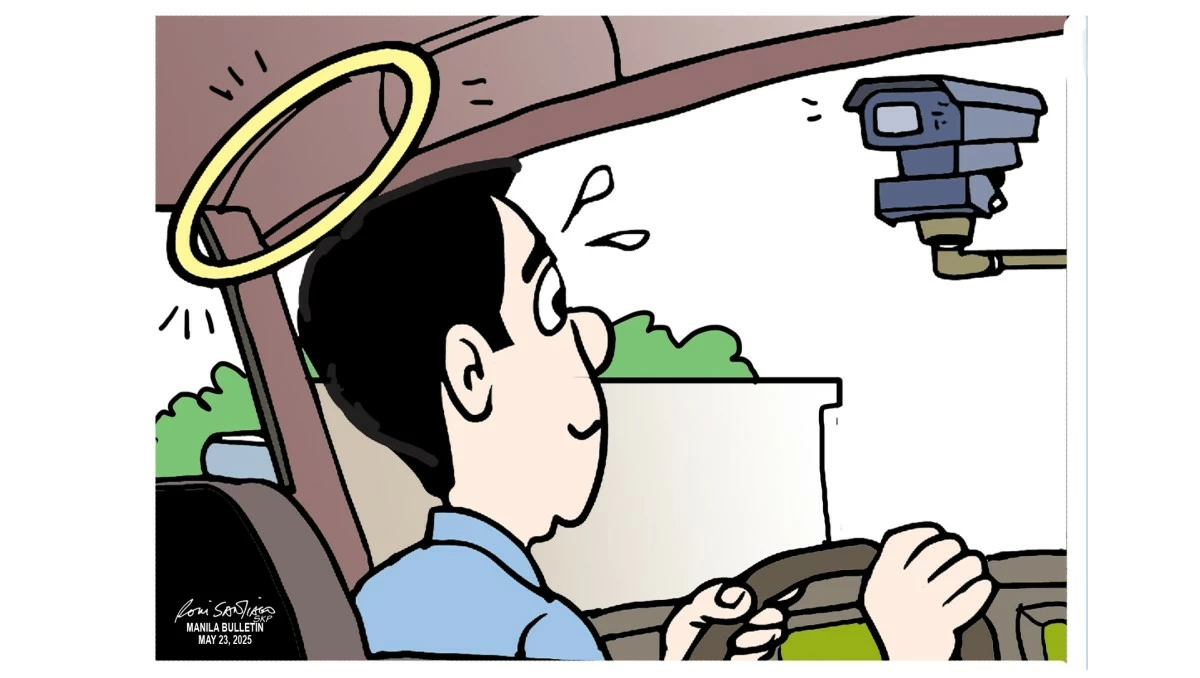
NCAP, or the No-Contact Apprehension Policy, is back.
Following the Supreme Court’s decision to lift the temporary restraining order on its implementation, the Metropolitan Manila Development Authority (MMDA) will start reimposing NCAP on Monday, May 26. It covers EDSA, C-5 Road, Commonwealth Avenue, Ortigas Avenue, Roxas Boulevard, and other thoroughfares where MMDA has jurisdiction. This policy utilizes closed-circuit television (CCTV) cameras and other digital technologies to capture traffic violations without direct interaction between motorists and enforcers.
While NCAP aims to enhance road safety and discipline, its implementation presents both advantages and challenges that warrant careful consideration.
One of the primary benefits of NCAP is its potential to instill discipline among drivers. With the knowledge that violations can be recorded and penalized without enforcers in sight, motorists may be more inclined to adhere to traffic laws. Data indicates that, prior to its suspension, NCAP contributed to a decrease in traffic violations and accidents in areas where it was implemented.
Furthermore, NCAP reduces opportunities for bribery and extortion, as it minimizes direct interactions between enforcers and motorists. It is an open secret that bribery takes place in key thoroughfares of Metro Manila. So, this shift toward automated enforcement can lead to more consistent and transparent application of traffic laws .
Despite its advantages, NCAP—as in any endeavor—is not without its challenges. One significant issue is the potential for errors in identifying violators, particularly in cases where vehicles have changed ownership but the records have not been updated with the Land Transportation Office (LTO). This can result in fines being erroneously attributed to previous owners.
Additionally, the policy’s reliance on automated systems may inadvertently overlook certain exemptions—such as vehicles of government officials, emergency responders, and other exempted sectors—leading to unfair penalties. Ensuring that the technology accurately recognizes and accounts for these exceptions is crucial to maintaining fairness.
To address these challenges and enhance the effectiveness of NCAP, the MMDA must streamline implementation and grievance mechanisms. It may consider conducting routine checks and updates to the automated systems to ensure accuracy in vehicle identification and to accommodate any changes in vehicle ownership or exemptions. Holding regular comprehensive information dissemination strategies to educate the public about the NCAP’s objectives, benefits, and procedures for contesting violations are crucial. It is also important to strengthen the existing grievance processes by establishing dedicated channels for complaints and ensuring timely resolution. This includes providing clear guidelines on how to contest violations and appeal decisions. A robust grievance mechanism is vital to avoid chaos.
Another key step is collaboration with lawmakers to review and, if necessary, amend existing laws to support the seamless integration of NCAP to ensure that this policy aligns with constitutional rights and due process. Stakeholder engagement is likewise important. Engaging with various stakeholders, including transport groups, local government units, and civil society organizations, to gather feedback will foster a collaborative approach to policy implementation.
The reimplementation of NCAP presents an opportunity to improve traffic discipline and road safety in Metro Manila. By addressing the identified challenges through proactive measures and ensuring a fair and transparent system, there is no doubt NCAP can fulfill its potential as a tool for positive change in our chaotic roads. Crucial here is the concerted effort of all stakeholders to refine and support this policy, ensuring that it serves the best interests of the public while upholding the principles of justice and equity.
ADVERTISEMENT
.most-popular .layout-ratio{ padding-bottom: 79.13%; } @media (min-width: 768px) and (max-width: 1024px) { .widget-title { font-size: 15px !important; } }

{{ articles_filter_1561_widget.title }}

.most-popular .layout-ratio{ padding-bottom: 79.13%; } @media (min-width: 768px) and (max-width: 1024px) { .widget-title { font-size: 15px !important; } }

{{ articles_filter_1562_widget.title }}

.most-popular .layout-ratio{ padding-bottom: 79.13%; } @media (min-width: 768px) and (max-width: 1024px) { .widget-title { font-size: 15px !important; } }

{{ articles_filter_1563_widget.title }}

{{ articles_filter_1564_widget.title }}

.mb-article-details { position: relative; } .mb-article-details .article-body-preview, .mb-article-details .article-body-summary{ font-size: 17px; line-height: 30px; font-family: "Libre Caslon Text", serif; color: #000; } .mb-article-details .article-body-preview iframe , .mb-article-details .article-body-summary iframe{ width: 100%; margin: auto; } .read-more-background { background: linear-gradient(180deg, color(display-p3 1.000 1.000 1.000 / 0) 13.75%, color(display-p3 1.000 1.000 1.000 / 0.8) 30.79%, color(display-p3 1.000 1.000 1.000) 72.5%); position: absolute; height: 200px; width: 100%; bottom: 0; display: flex; justify-content: center; align-items: center; padding: 0; } .read-more-background a{ color: #000; } .read-more-btn { padding: 17px 45px; font-family: Inter; font-weight: 700; font-size: 18px; line-height: 16px; text-align: center; vertical-align: middle; border: 1px solid black; background-color: white; } .hidden { display: none; }
function initializeAllSwipers() { // Get all hidden inputs with cms_article_id document.querySelectorAll('[id^="cms_article_id_"]').forEach(function (input) { const cmsArticleId = input.value; const articleSelector = '#article-' + cmsArticleId + ' .body_images'; const swiperElement = document.querySelector(articleSelector); if (swiperElement && !swiperElement.classList.contains('swiper-initialized')) { new Swiper(articleSelector, { loop: true, pagination: false, navigation: { nextEl: '#article-' + cmsArticleId + ' .swiper-button-next', prevEl: '#article-' + cmsArticleId + ' .swiper-button-prev', }, }); } }); } setTimeout(initializeAllSwipers, 3000); const intersectionObserver = new IntersectionObserver( (entries) => { entries.forEach((entry) => { if (entry.isIntersecting) { const newUrl = entry.target.getAttribute("data-url"); if (newUrl) { history.pushState(null, null, newUrl); let article = entry.target; // Extract metadata const author = article.querySelector('.author-section').textContent.replace('By', '').trim(); const section = article.querySelector('.section-info ').textContent.replace(' ', ' '); const title = article.querySelector('.article-title h1').textContent; // Parse URL for Chartbeat path format const parsedUrl = new URL(newUrl, window.location.origin); const cleanUrl = parsedUrl.host + parsedUrl.pathname; // Update Chartbeat configuration if (typeof window._sf_async_config !== 'undefined') { window._sf_async_config.path = cleanUrl; window._sf_async_config.sections = section; window._sf_async_config.authors = author; } // Track virtual page view with Chartbeat if (typeof pSUPERFLY !== 'undefined' && typeof pSUPERFLY.virtualPage === 'function') { try { pSUPERFLY.virtualPage({ path: cleanUrl, title: title, sections: section, authors: author }); } catch (error) { console.error('ping error', error); } } // Optional: Update document title if (title && title !== document.title) { document.title = title; } } } }); }, { threshold: 0.1 } ); function showArticleBody(button) { const article = button.closest("article"); const summary = article.querySelector(".article-body-summary"); const body = article.querySelector(".article-body-preview"); const readMoreSection = article.querySelector(".read-more-background"); // Hide summary and read-more section summary.style.display = "none"; readMoreSection.style.display = "none"; // Show the full article body body.classList.remove("hidden"); } document.addEventListener("DOMContentLoaded", () => { let loadCount = 0; // Track how many times articles are loaded const offset = [1, 2, 3, 4, 5, 6, 7, 8, 9, 10]; // Offset values const currentUrl = window.location.pathname.substring(1); let isLoading = false; // Prevent multiple calls if (!currentUrl) { console.log("Current URL is invalid."); return; } const sentinel = document.getElementById("load-more-sentinel"); if (!sentinel) { console.log("Sentinel element not found."); return; } function isSentinelVisible() { const rect = sentinel.getBoundingClientRect(); return ( rect.top < window.innerHeight && rect.bottom >= 0 ); } function onScroll() { if (isLoading) return; if (isSentinelVisible()) { if (loadCount >= offset.length) { console.log("Maximum load attempts reached."); window.removeEventListener("scroll", onScroll); return; } isLoading = true; const currentOffset = offset[loadCount]; window.loadMoreItems().then(() => { let article = document.querySelector('#widget_1690 > div:nth-last-of-type(2) article'); intersectionObserver.observe(article) loadCount++; }).catch(error => { console.error("Error loading more items:", error); }).finally(() => { isLoading = false; }); } } window.addEventListener("scroll", onScroll); });

Sign up by email to receive news.