






I try not to imagine them crying, trapped inside, as the fire consumed their home, but the thought keeps slipping in. Earlier that night, in Sta. Maria, Bulacan, the mother had gone to the authorities to report ongoing issues with her in-laws.
Manila Bulletin
 Lifestyle
Parenting
Before the fire, she reached out—what happened next is a wake-up call
Lifestyle
Parenting
Before the fire, she reached out—what happened next is a wake-up call
Lifestyle
Parenting
Before the fire, she reached out—what happened next is a wake-up call
Before the fire, she reached out—what happened next is a wake-up call
In a culture that downplays pain as "drama lang," this is a reminder of what's at stake when we don't listen
Published May 23, 2025 12:40 pm


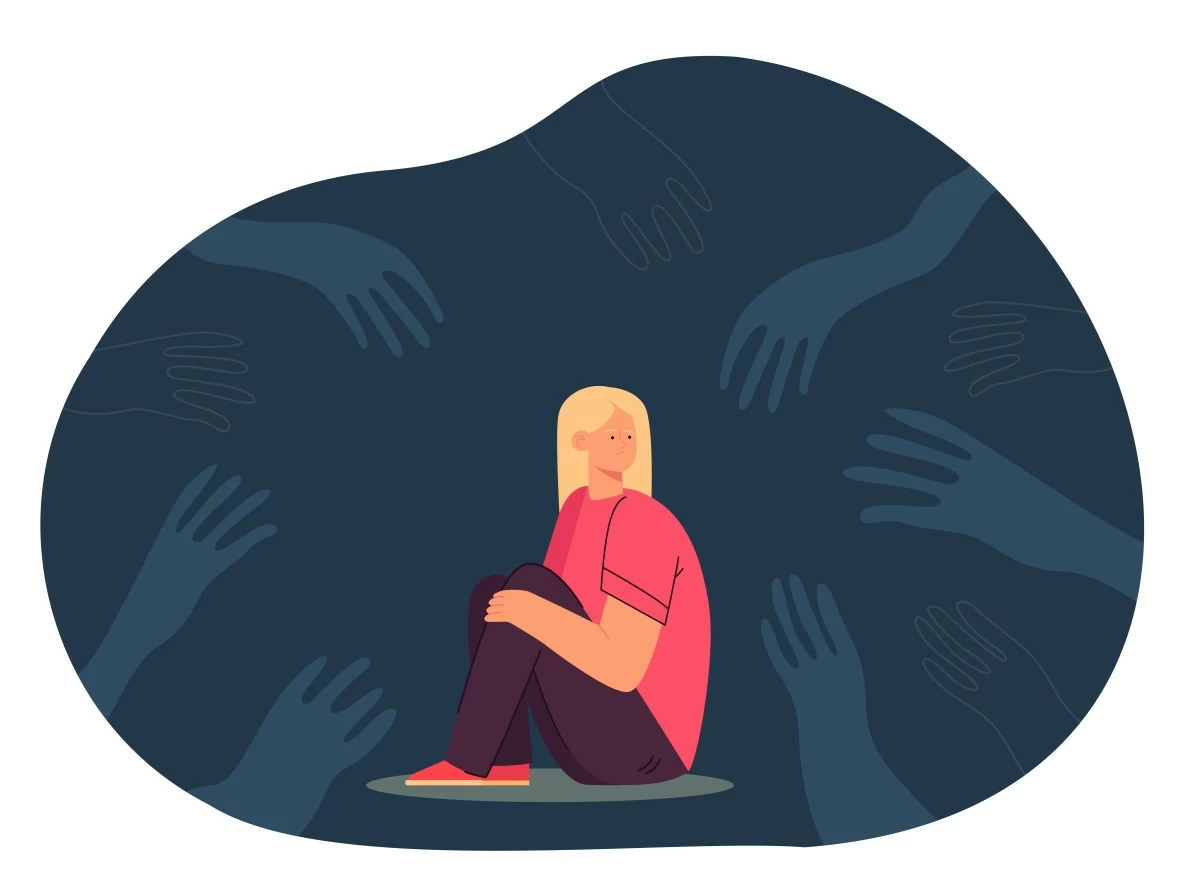
Spooky hands creeping towards sad girl sitting on floor. Depressed teenager scared of abuse flat vector illustration. Fear, bullying, violence concept for banner, website design or landing web page
The fact that she still chose to end her life, along with her three young children, the eldest just six years old, says she may have felt unheard. She must have thought she had nowhere else to go.
Much has always been expected from mothers to juggle it all and carry the weight of every emotion this role brings, from the highest joys to the deepest lows, often with little room to fall apart.
And if we felt lost, we were taught to brush it off, cry alone, and move on—because there’s a family depending on us. More often than not, voicing out our worries only left us feeling judged, misunderstood, or even dismissed.
In our culture, it is usually interpreted as “drama lang.”
With no one to talk to, depression can quietly creep in. It grows quietly through exhaustion, isolation, and the pressure to hold everything together. Until one day, it just becomes too heavy.
In a country where mental health care remains out of reach for many, the change has to begin with us. We need to shift the culture—show more empathy, listen without judgment, and believe people when they say they’re not okay.
While we continue to push for better services and real support systems, we can start by creating small, informal safety nets within our homes, circle of friends, and communities. It’s not enough to normalize rest and asking for help, we need to make it a habit to regularly check in on each other.
Sometimes, knowing that someone sees and cares is enough to keep going. This small act can break the silence, give someone the courage to open up, and open the door to possible solutions. It’s the first step to breathe easier, feel safer, and realize we’re not alone.
Let’s be that lifeline for each other, because compassion and connection can be the difference between despair and hope.