







Toyota has officially lifted the covers on the all-new, sixth-generation RAV4, marking a major leap forward for one of the Japanese automaker's most successful global nameplates. The 2026 model signals a new era for the compact SUV segment, introducing a next-generation hybrid system, a new software-defined architecture, and refreshed styling aimed squarely at tech-savvy and sustainability-conscious buyers.
Toyota unveils 2026 RAV4 with updated hybrid tech and digital suite
Published May 22, 2025 12:12 pm


At A Glance
- Toyota has officially lifted the covers on the all-new, sixth-generation RAV4, marking a major leap forward for one of the Japanese automaker's most successful global nameplates.
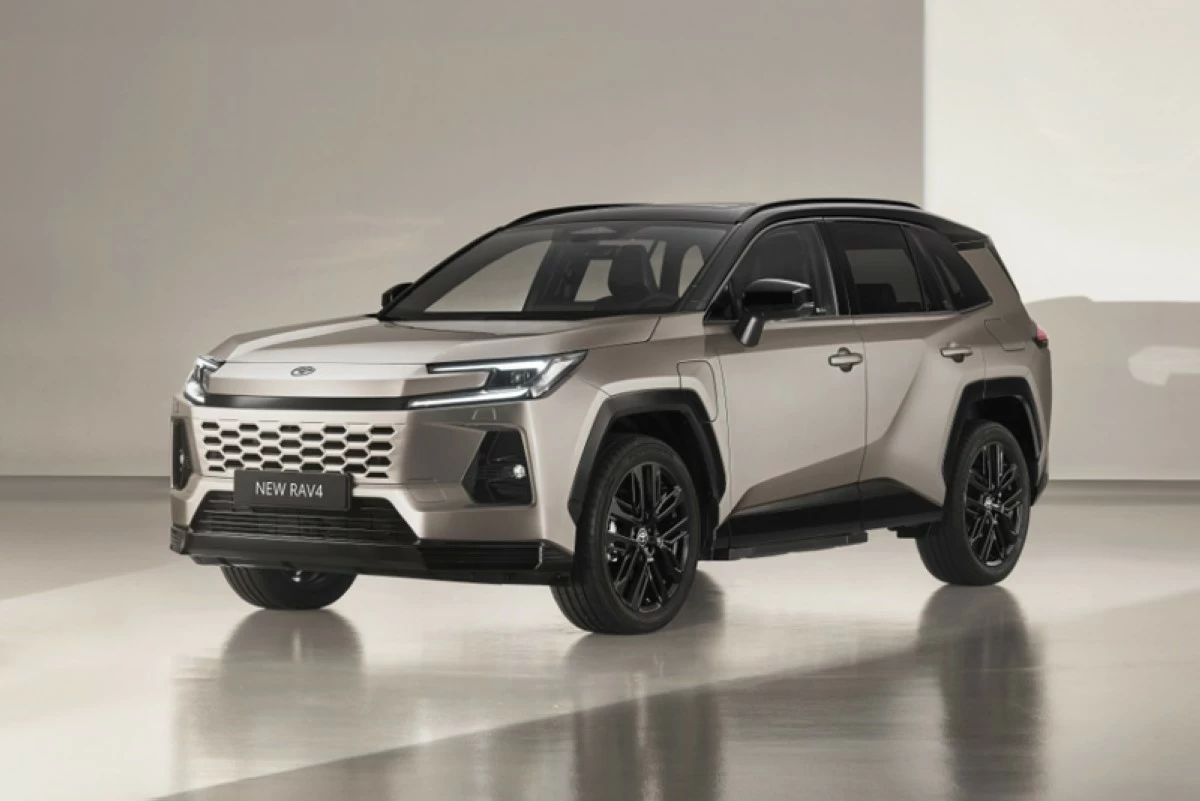
In the Philippines, the RAV4 nameplate has long been a staple in Toyota Motor Philippines' line-up, often regarded as the practical yet premium choice in the midsize crossover segment. While sales have remained steady, the current model has begun to show its age — especially as rivals from fellow Japanese and South Korean brands, along with Chinese hybrid contenders, push the envelope in technology and performance. The all-new model RAV4 addresses these gaps head-on.
Leading the list of improvements is Toyota's upgraded plug-in hybrid system, which now offers up to 100 kilometers of electric-only range (WLTP combined) thanks to a 22.7kWh lithium-ion battery. Sourced from Toyota’s EV development program, this new battery also enables significantly faster charging, achieving a 10% to 80% charge in just 30 minutes via a 50kW DC charger, or around three hours using an 11kW AC onboard unit.
The AWD-i plug-in hybrid variant now produces 304 PS, good for a 0 to 100 km/h sprint in just 5.8 seconds. For the first time, Toyota will also offer a front-wheel-drive plug-in hybrid configuration. Dubbed the RAV4 Plug-in 270, this variant delivers 268 PS (264 bhp), broadening access to plug-in technology without compromising on power.
Toyota has also refined its full hybrid system. The AWD-i version now outputs 194 PS, while the FWD model produces 186 PS. Improvements to the transaxle, power control unit, and motor output have led to quicker throttle response and smoother power delivery, noticeable upgrades over the current hybrid model sold in the Philippines.
Another significant development is the introduction of Toyota’s ARENE software platform. This next-generation system underpins both the updated Toyota Safety Sense 4.0 suite and a fully reworked multimedia experience. New safety features include Front Cross Traffic Alert, an enhanced Pre-Collision System that now detects motorcycles and additional scenarios, a smarter Lane Change Assist system, and a revised Blind Spot Monitor with Rear Vehicle Approach Indicator.
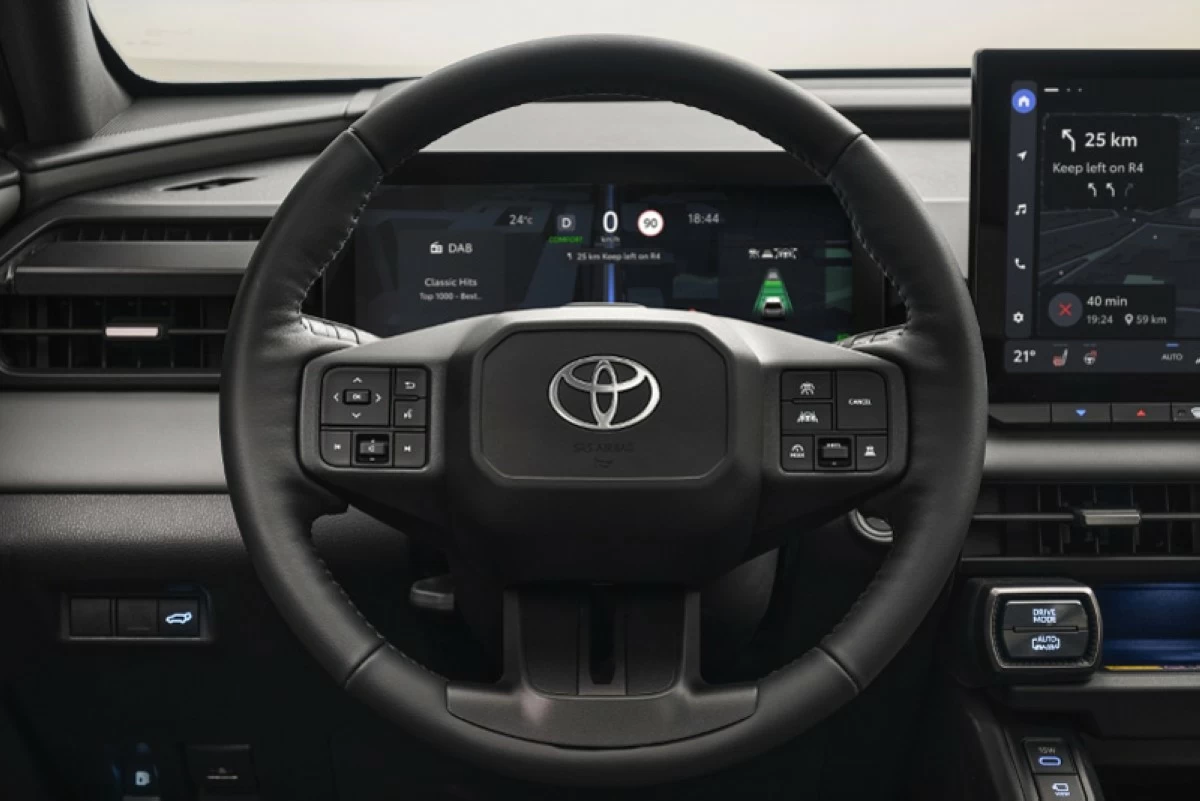
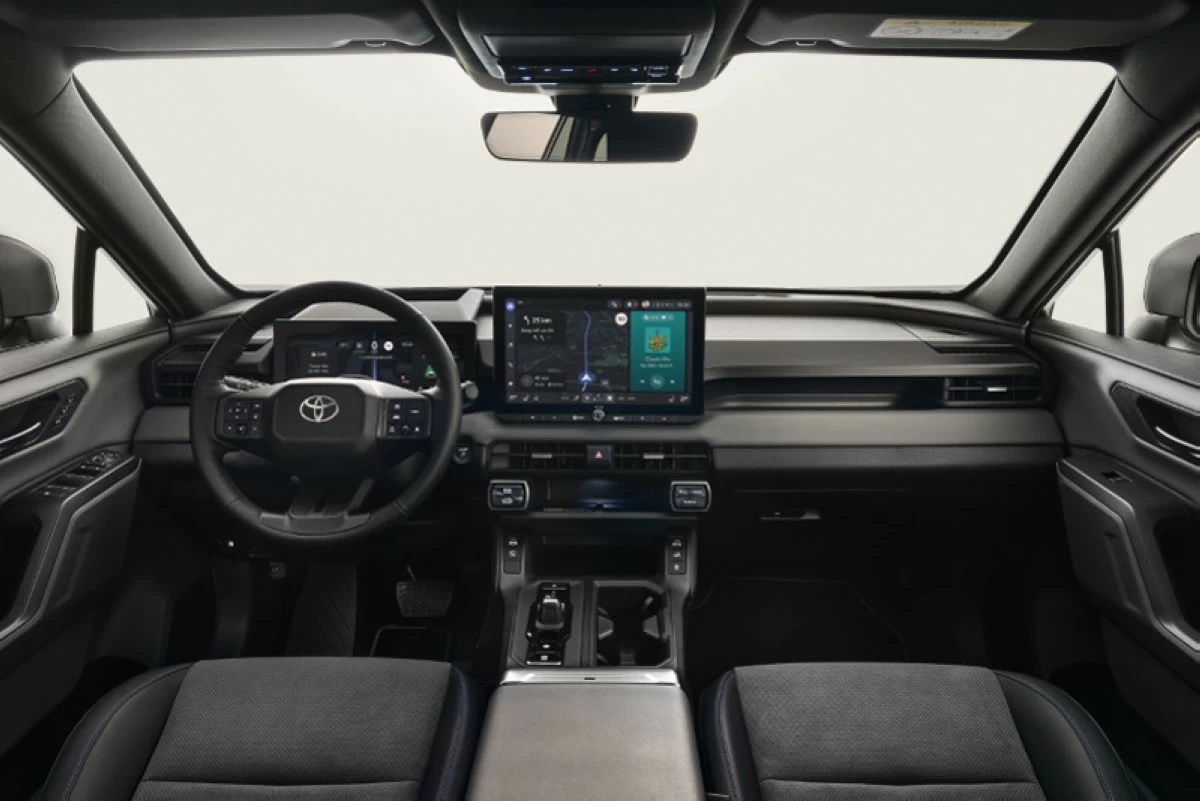
Inside the cabin, the new RAV4 features a fully digital setup: a 12.3-inch digital instrument cluster is standard, paired with an available 12.9-inch central touchscreen that runs Toyota’s latest infotainment system. The interface includes real-time navigation with Google Points of Interest, 3D lane assist overlays, wireless Apple CarPlay and Android Auto, and an optional JBL nine-speaker, 800-watt audio system. Higher trims also offer a newly enlarged head-up display.
Complementing these are connected services including over-the-air updates, a voice-activated assistant, and expanded functionality via the MyToyota mobile app — such as remote control features and enhanced personalization options.
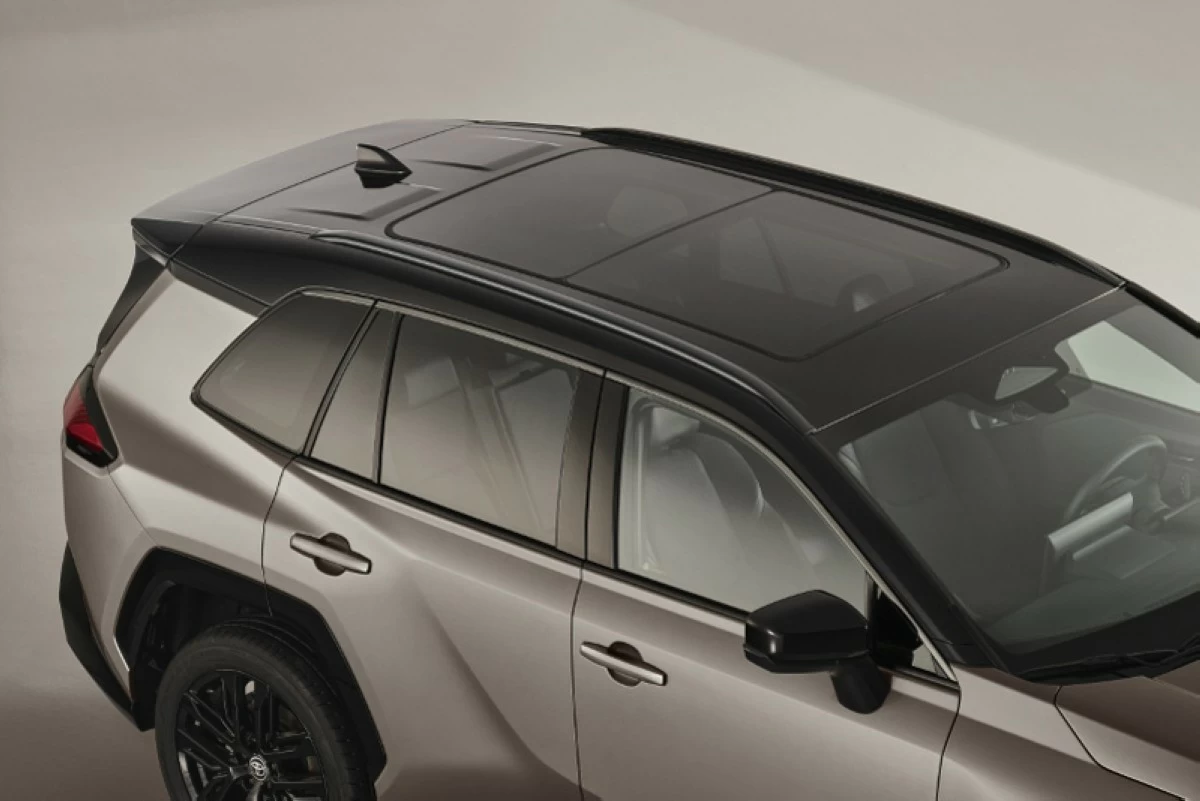
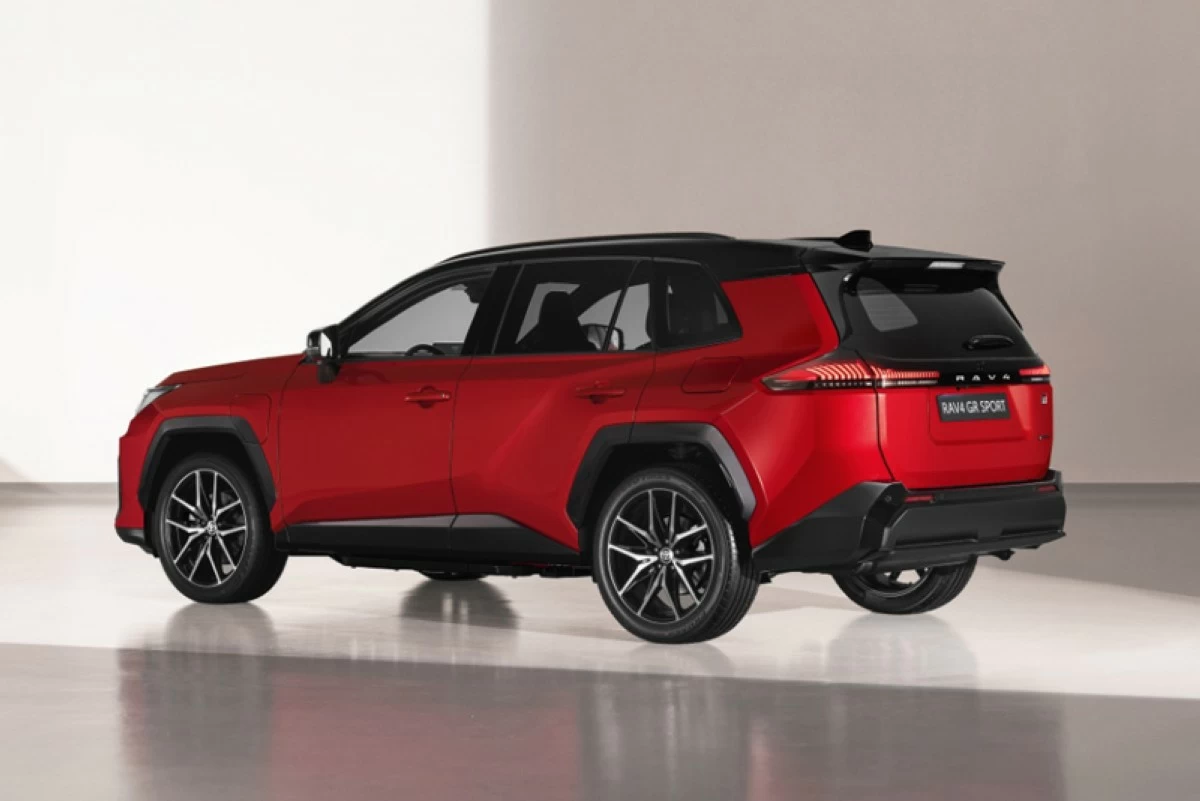
In terms of aesthetics, the 2026 RAV4 remains faithful to its SUV roots but receives bolder styling cues. A redesigned front end featuring the Hammerhead design from the Crown, sharper lighting elements, and grade-specific design flourishes lend it a more assertive presence. The GR Sport variant adds a motorsport-inspired edge with wider tracks, GR-tuned dampers, 20-inch black alloys, and signature red accents inside and out. Meanwhile, the Woodland Edition is tailored for light off-roading, equipped with all-terrain tires, raised roof rails, and Rigid Industries LED fog lamps.
While Toyota has yet to announce Philippine-specific specifications or trims, the global rollout strongly suggests that both hybrid and plug-in hybrid variants could arrive locally. Historically, Philippine-market hybrids have leaned conservative in spec, but the sixth-gen RAV4 might finally usher in performance- and tech-forward electrification options for Filipino buyers.
European deliveries are scheduled to begin before the end of Toyota’s current fiscal year (March 2026), with other regions—including Southeast Asia—expected to follow. With its blend of electrified performance, intelligent safety systems, and a modern digital cockpit, the 2026 RAV4 is poised not only to regain leadership in its segment globally, but to redefine Toyota’s hybrid offering in the Philippines.