






 Philippines
National
How to report on children's stories while safeguarding their rights: Here's a guide from CWC
Philippines
National
How to report on children's stories while safeguarding their rights: Here's a guide from CWC
How to report on children's stories while safeguarding their rights: Here's a guide from CWC


Every child’s story deserves to be told with care, without compromising their safety.
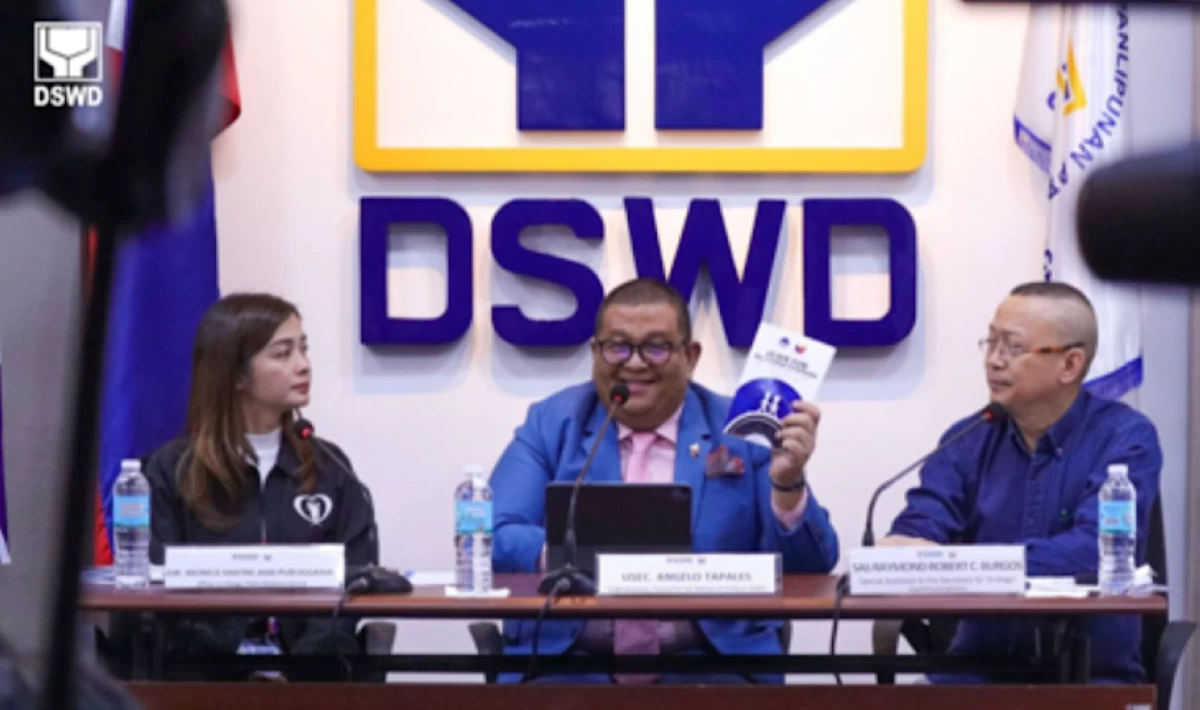
This is the primary objective behind the revised Guide for Media Practitioners on the Reporting and Coverage of Children from the Council for the Welfare of Children (CWC), an agency under the Department of Social Welfare and Development (DSWD), which was officially unveiled during a forum on Thursday, May 22.
The updated guide seeks to equip media professionals, content creators, and social media influencers with the tools to report on children ethically while safeguarding their rights and well-being.
“The purpose of this guideline is to create a good image and impression of children. Media—whether print, radio, television, or digital—has the power to influence how the public views children,” CWC Undersecretary Angelo Tapales said in Filipino.
The CWC official said the guide applies to both traditional and new media platforms, including journalists, content creators, and social media personalities, as well as children in need of special protection (CNSPs).
The revised guide, Tapales clarified, is not mandatory but encourages media professionals to adopt it.
“You will not be forced to follow it, but we encourage you to consider it for the benefit of the child. At the same time, it does not infringe upon the freedom of the press or your rights to expression,” he said.
The guide includes practical tips and self-assessment questions based on five key principles of child-rights-based media practice: upholding children’s right to privacy, respecting their agency, promoting meaningful participation, ensuring dignified treatment, and handling sensitive stories with care.
It also offers additional recommendations for reporting on or featuring CNSPs, including children under or over 18 who are unable to fully care for themselves due to physical or mental disabilities, victim-survivors of abuse or exploitation, children in conflict with the law, those living in alternative care, and children living with human immunodeficiency virus (HIV).
“These are the questions you should ask yourself when reporting on matters not covered by the guidelines. As you work on your article or edit your video, ask yourself: Should I edit it further? Should I publish it now? Should I take it down?” Tapales advised.
He also emphasized that media outlets will not face penalties for non-compliance, unless they violate existing laws, such as the Data Privacy Act.
“Our media guideline is meant to serve as a guide for everyone. It should have a persuasive effect. It is not mandatory unless, for instance, you violate the Data Privacy Act,” he added.