








DAVAO CITY – In a move seen to uplift Mindanao’s agricultural sector, the country’s largest meat importing firm will begin sourcing a portion of its meat requirements from local farmers starting this year.
MANNY Piñol (FB)
Former Agriculture Secretary Manny Piñol confirmed in his official Facebook page on Thursday, May 22, that the Atkins Import & Export Resources Inc. will buy meat products across Mindanao.
Piñol said Gabriel J. Ang, president and chief executive officer of the Atkins Import & Export Resources, has committed to buying beef, goat meat (chevon), chicken, and pork from farmers in Mindanao.
"The deal was sealed yesterday in an agreement involving Ang, cattle fattening expert and award-winning overseas Filipino worker Arnel Corpuz of Great Arch Farm, and Braveheart Farms, a family-owned enterprise in North Cotabato," Piñol said.
Piñol said that cattle will initially be sourced locally but as the demand grows, steers will be imported from Australia to fill the requirements while local farmers will be supported in cattle production through a private sector-led program.
According to Ang, who is listed as one of the biggest meat importers in the country, he will start with a supply requirement of at least 1,000 heads of cattle every month.
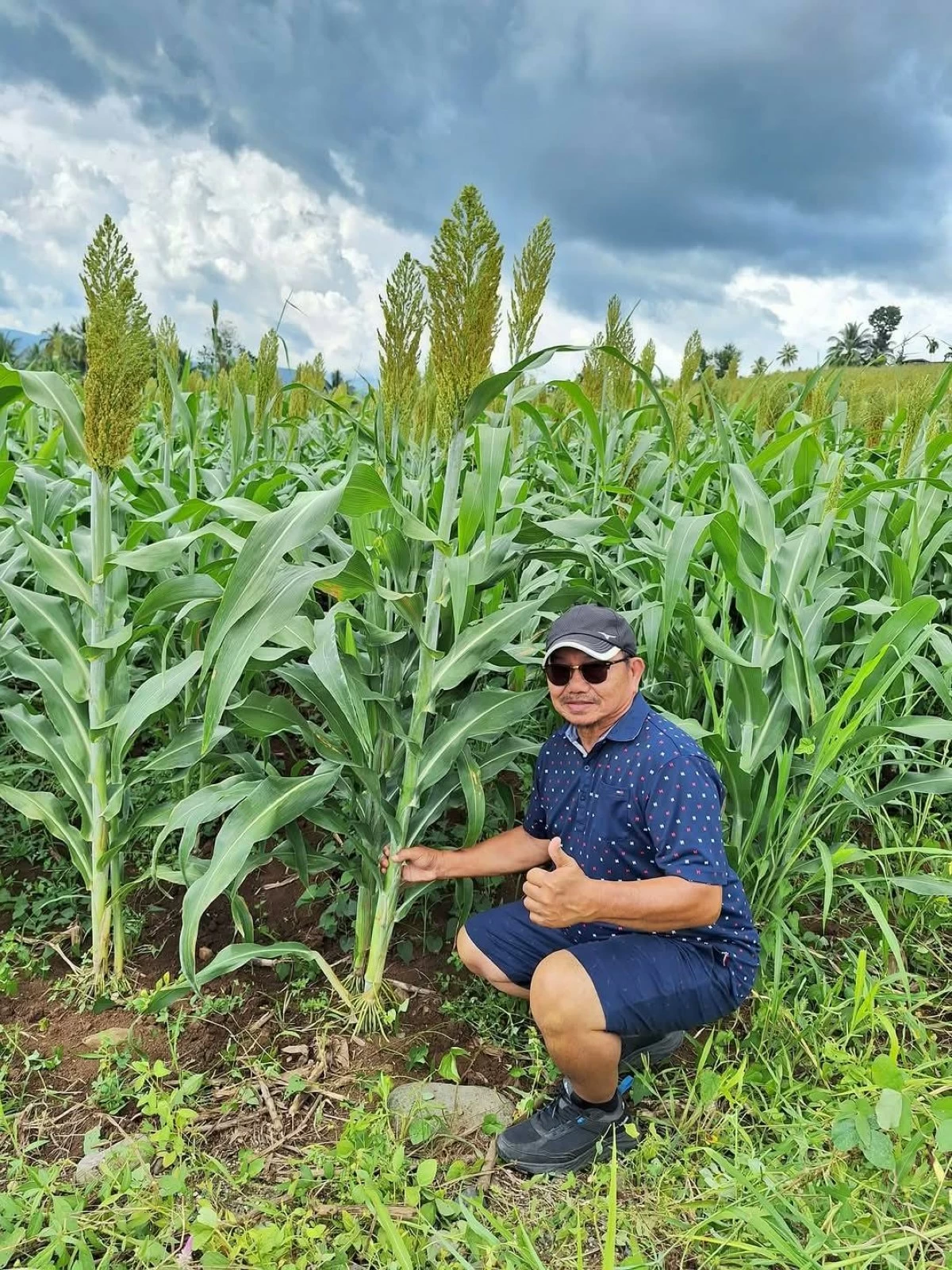
Piñol said this will gradually increase as he is able to expand their sorghum production area for both silage and flaked grains needed in feeding the cattle.
Ang said he will be needing supply of goat meat, chicken, both broiler and free range, and pork. He emphasized that these are the meat products usually bought from the local markets.
Piñol said he accompanied Ang and his team to Mayor Paolo Evangelista's office in Kidapawan City, the first local government unit that will establish a halal beef production facility.
Ang said his company could initially procure at least 150 beef carcass daily. He added that this would require a cold storage where the carcass could be stored prior to shipment to the market.
Piñol said this is a major development for North Cotabato agriculture because cattle raising and fattening require feeds and silage.
He added that this means that corn, sorghum and soybeans farmers of the province could benefit from the industry.