

ADVERTISEMENT

Expanded maternal and child health program reduces child malnutrition in the Philippines

San Miguel Foods' 'Happy si Mommy, Malusog si Baby' initiative reaches 1,000+ beneficiaries in 24 barangays, showing major gains in child nutrition and maternal healthcare

Published May 22, 2025 11:03 am  |  Updated May 22, 2025 01:26 pm

At A Glance

  • The "Happy si Mommy, Malusog si Baby" program led to 89 percent of children achieving normal height and weight, with underweight cases reduced to two percent — a major success in combating child malnutrition in the Philippines. (Photos courtesy of SMFI) 
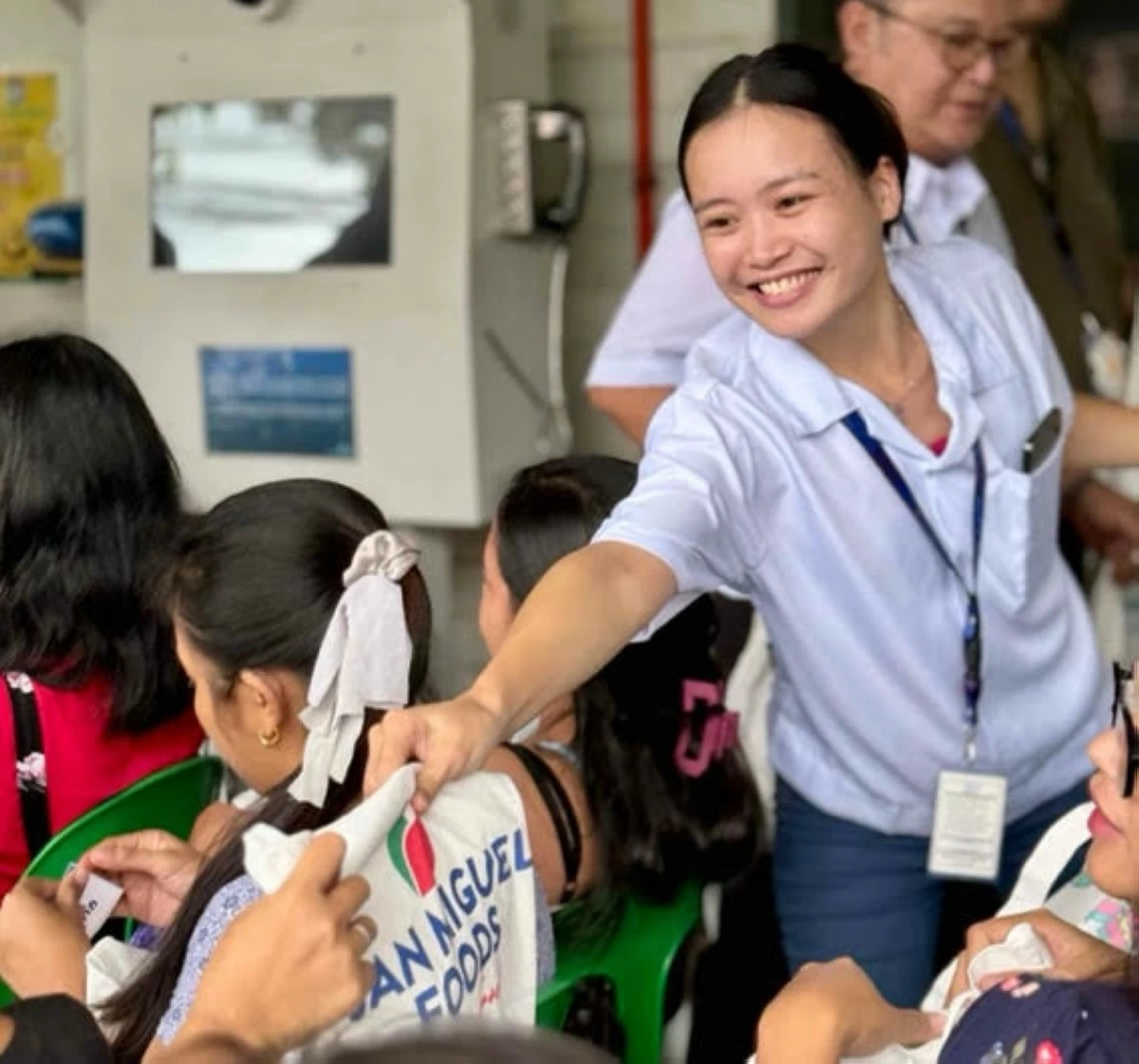
A significantly expanded maternal and child health program has led to a sharp reduction in child malnutrition rates in the Philippines, marking a major milestone in the country’s ongoing battle against hunger and undernutrition.
The initiative provides Mingo Meals, a nutrient-rich food developed by DOST-FNRI, and has trained 102 Barangay Health Workers, ensuring both nutrition and education are sustained at the grassroots level.
San Miguel Foods Inc. (SMFI) reported a dramatic improvement in child nutrition through its expanded “Happy si Mommy, Malusog si Baby” initiative.
The program now supports over 1,000 mother-and-child beneficiaries across 24 barangays nationwide, making it one of the most impactful community nutrition programs in the Philippines.
Child malnutrition rates drop with targeted nutrition and healthcare
According to program data, 89 percent of participating children now fall within normal height and weight ranges.
The number of underweight children has dropped to just two percent and only nine percent remain classified as malnourished.
These results highlight the effectiveness of targeted interventions during the First 1,000 Days of Life—from pregnancy to age two—which are widely recognized by experts as a critical window for child development and long-term health outcomes.
Expansion of the ‘Happy si Mommy, Malusog si Baby’ Program
Launched in 2022 with 254 mother-child pairs in nine pilot barangays, the program has grown rapidly. Today, it reaches: over 400 families in Luzon, more than 300 in the Visayas and Around 250 in Mindanao. 
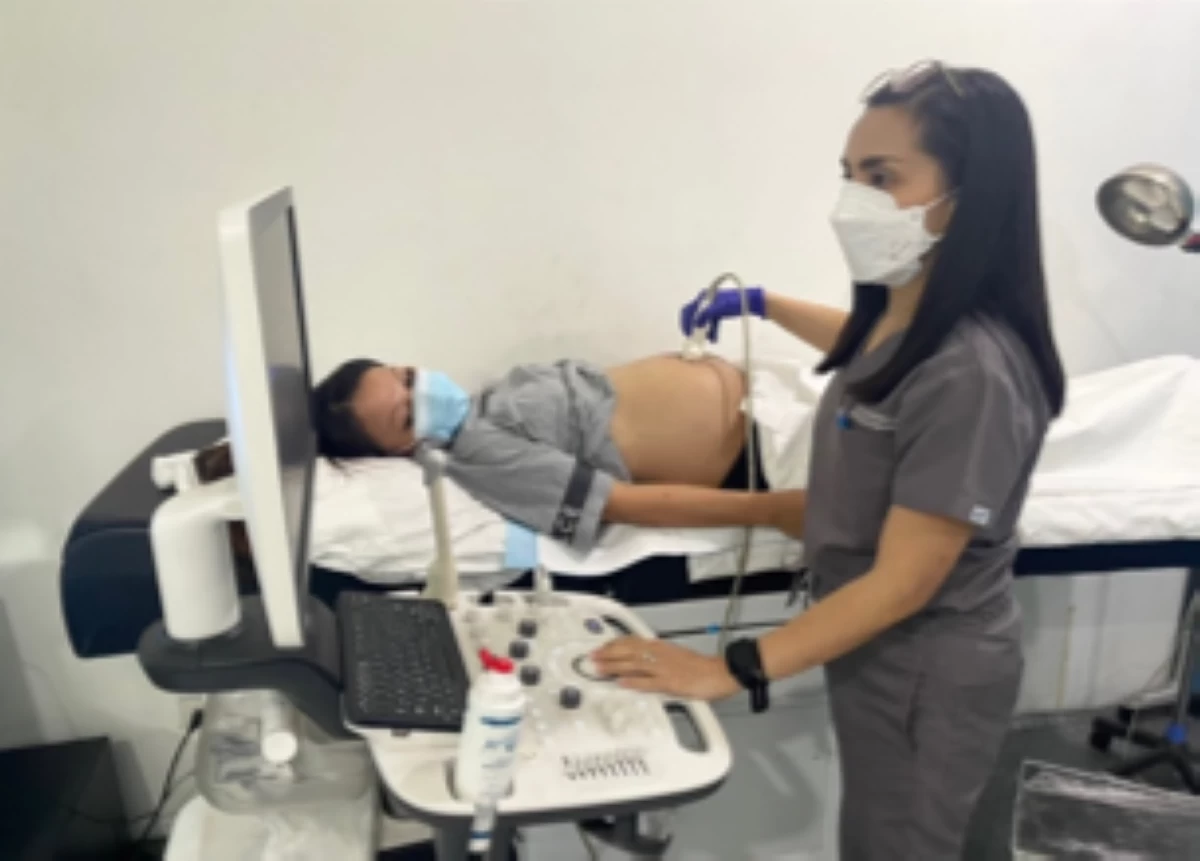
Since its 2022 launch, the program has expanded from nine to 24 barangays, now reaching over 1,000 mother-and-child beneficiaries across Luzon, Visayas, and Mindanao.
The initiative is a collaborative effort involving San Miguel Foundation, local government units, and private sector partners.
Together, they provide holistic support that includes prenatal checkups, ultrasounds, maternal health education, and access to Mingo Meals—a fortified food specifically designed to combat malnutrition.
Mingo Meals: A nutritional breakthrough
Developed by the Department of Science and Technology - Food and Nutrition Research Institute (DOST-FNRI) and manufactured by the Negrense Volunteers for Change Foundation, Mingo Meals are made from rice, mung beans, and moringa. These nutrient-dense meals play a vital role in supporting maternal and infant nutrition in underserved communities.
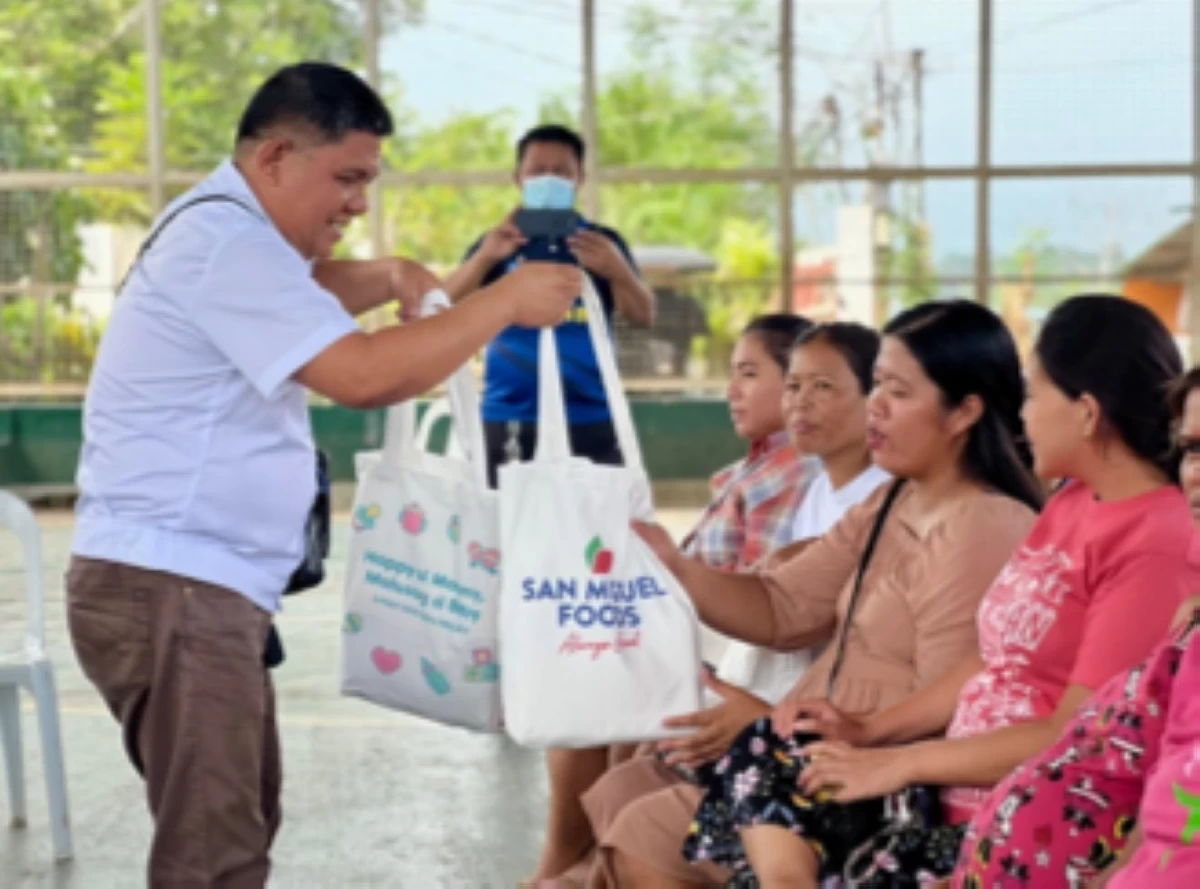
Expectant mothers enrolled in the program receive special treats from San Miguel Foods along with a baby swaddle for their newborn and the Happy si Mommy booklet, published by Adarna Group Foundation Inc.
In 2024, as the first cohort of children reached toddlerhood, San Miguel Foods extended its support by distributing an additional 3 to 6 months’ supply of Mingo Meals in new flavors designed to match children’s developing taste preferences.
Sustainable, community-based healthcare solutions
San Miguel Corporation (SMC) Chairman and CEO Ramon S. Ang emphasized the importance of sustainable, long-term investments in grassroots health programs.
“These are the kinds of outcomes we hope for when we commit to long-term, community-based work,” Ang said.  “Good nutrition starts before birth, and we aim to ensure that mothers and children in vulnerable communities receive consistent, not just one-time, support,” he added.

The health initiative supports San Miguel’s broader sustainability goals, including its pledge to improve the lives of 15 million Filipinos by 2030.
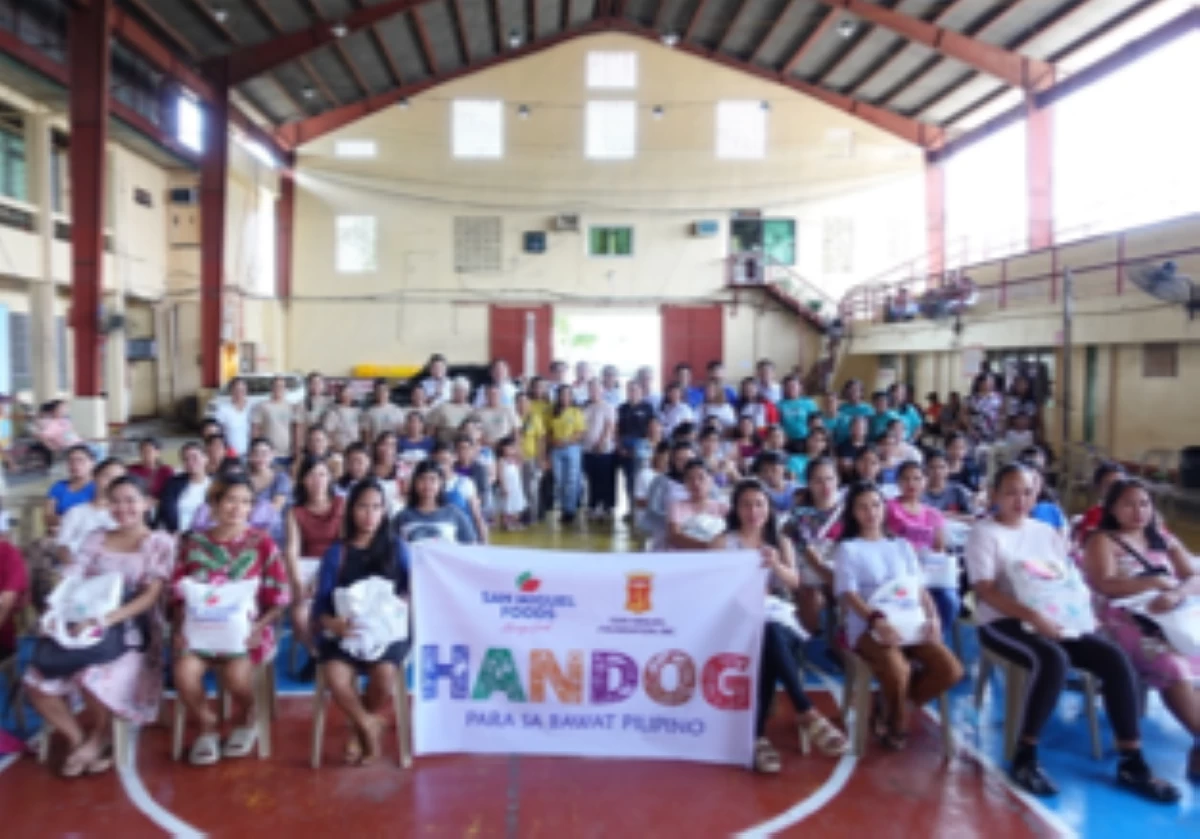
San Miguel Foods Inc. and San Miguel Foundation are expanding the reach of the First 1,000 Days program, reinforcing support for maternal healthcare, infant nutrition, and community health education across the Philippines.
Training barangay health workers to drive local impact
A key component of the program is capacity building for Barangay Health Workers (BHWs).
So far, 102 BHWs have been trained through DOST-FNRI-led webinars on topics such as breastfeeding, postpartum care, and early childhood nutrition.
These trained health workers serve as local champions, sharing critical knowledge with participating mothers and ensuring the continued success and reach of the program at the community level.

Related Tags

San Miguel malnutrition Philippines health nutrition SMFI
ADVERTISEMENT
.most-popular .layout-ratio{ padding-bottom: 79.13%; } @media (min-width: 768px) and (max-width: 1024px) { .widget-title { font-size: 15px !important; } }

{{ articles_filter_1561_widget.title }}

.most-popular .layout-ratio{ padding-bottom: 79.13%; } @media (min-width: 768px) and (max-width: 1024px) { .widget-title { font-size: 15px !important; } }

{{ articles_filter_1562_widget.title }}

.most-popular .layout-ratio{ padding-bottom: 79.13%; } @media (min-width: 768px) and (max-width: 1024px) { .widget-title { font-size: 15px !important; } }

{{ articles_filter_1563_widget.title }}

{{ articles_filter_1564_widget.title }}

.mb-article-details { position: relative; } .mb-article-details .article-body-preview, .mb-article-details .article-body-summary{ font-size: 17px; line-height: 30px; font-family: "Libre Caslon Text", serif; color: #000; } .mb-article-details .article-body-preview iframe , .mb-article-details .article-body-summary iframe{ width: 100%; margin: auto; } .read-more-background { background: linear-gradient(180deg, color(display-p3 1.000 1.000 1.000 / 0) 13.75%, color(display-p3 1.000 1.000 1.000 / 0.8) 30.79%, color(display-p3 1.000 1.000 1.000) 72.5%); position: absolute; height: 200px; width: 100%; bottom: 0; display: flex; justify-content: center; align-items: center; padding: 0; } .read-more-background a{ color: #000; } .read-more-btn { padding: 17px 45px; font-family: Inter; font-weight: 700; font-size: 18px; line-height: 16px; text-align: center; vertical-align: middle; border: 1px solid black; background-color: white; } .hidden { display: none; }
function initializeAllSwipers() { // Get all hidden inputs with cms_article_id document.querySelectorAll('[id^="cms_article_id_"]').forEach(function (input) { const cmsArticleId = input.value; const articleSelector = '#article-' + cmsArticleId + ' .body_images'; const swiperElement = document.querySelector(articleSelector); if (swiperElement && !swiperElement.classList.contains('swiper-initialized')) { new Swiper(articleSelector, { loop: true, pagination: false, navigation: { nextEl: '#article-' + cmsArticleId + ' .swiper-button-next', prevEl: '#article-' + cmsArticleId + ' .swiper-button-prev', }, }); } }); } setTimeout(initializeAllSwipers, 3000); const intersectionObserver = new IntersectionObserver( (entries) => { entries.forEach((entry) => { if (entry.isIntersecting) { const newUrl = entry.target.getAttribute("data-url"); if (newUrl) { history.pushState(null, null, newUrl); let article = entry.target; // Extract metadata const author = article.querySelector('.author-section').textContent.replace('By', '').trim(); const section = article.querySelector('.section-info ').textContent.replace(' ', ' '); const title = article.querySelector('.article-title h1').textContent; // Parse URL for Chartbeat path format const parsedUrl = new URL(newUrl, window.location.origin); const cleanUrl = parsedUrl.host + parsedUrl.pathname; // Update Chartbeat configuration if (typeof window._sf_async_config !== 'undefined') { window._sf_async_config.path = cleanUrl; window._sf_async_config.sections = section; window._sf_async_config.authors = author; } // Track virtual page view with Chartbeat if (typeof pSUPERFLY !== 'undefined' && typeof pSUPERFLY.virtualPage === 'function') { try { pSUPERFLY.virtualPage({ path: cleanUrl, title: title, sections: section, authors: author }); } catch (error) { console.error('ping error', error); } } // Optional: Update document title if (title && title !== document.title) { document.title = title; } } } }); }, { threshold: 0.1 } ); function showArticleBody(button) { const article = button.closest("article"); const summary = article.querySelector(".article-body-summary"); const body = article.querySelector(".article-body-preview"); const readMoreSection = article.querySelector(".read-more-background"); // Hide summary and read-more section summary.style.display = "none"; readMoreSection.style.display = "none"; // Show the full article body body.classList.remove("hidden"); } document.addEventListener("DOMContentLoaded", () => { let loadCount = 0; // Track how many times articles are loaded const offset = [1, 2, 3, 4, 5, 6, 7, 8, 9, 10]; // Offset values const currentUrl = window.location.pathname.substring(1); let isLoading = false; // Prevent multiple calls if (!currentUrl) { console.log("Current URL is invalid."); return; } const sentinel = document.getElementById("load-more-sentinel"); if (!sentinel) { console.log("Sentinel element not found."); return; } function isSentinelVisible() { const rect = sentinel.getBoundingClientRect(); return ( rect.top < window.innerHeight && rect.bottom >= 0 ); } function onScroll() { if (isLoading) return; if (isSentinelVisible()) { if (loadCount >= offset.length) { console.log("Maximum load attempts reached."); window.removeEventListener("scroll", onScroll); return; } isLoading = true; const currentOffset = offset[loadCount]; window.loadMoreItems().then(() => { let article = document.querySelector('#widget_1690 > div:nth-last-of-type(2) article'); intersectionObserver.observe(article) loadCount++; }).catch(error => { console.error("Error loading more items:", error); }).finally(() => { isLoading = false; }); } } window.addEventListener("scroll", onScroll); });

Sign up by email to receive news.