







The vehicular incidents of the past couple of weeks are difficult to ignore; not just because of their gravity but because of the number of injured as well as casualties. With May being road safety month, there could be no better time to begin talking about steps we can take to be safer on the road.
Why driver education should never stop
Learning the car and its safety features
By Inigo Roces
Published May 21, 2025 05:02 pm



“The car is getting complex, and yet drivers are all trained how to drive with lessons from 10 to 15 years ago,” points out Atty. Robby Consunji, a Trustee and Chairperson of Government Liaison Committee of the Automobile Association Philippines (AAP) and very vocal road safety advocate.
“Ten years ago, there was no assisted parking, collision avoidance, blind spot warning, or 360-degree camera. There are so many cars with these features, and yet, when you ask the average driver, they say they don’t know how to use it. The technologies are there. The driver has not been trained to use it, or to be aware that it’s there.”
Safety nets
Atty. Consunji argues that the main stumbling block toward producing safer drivers is the presence of so many ‘safety nets.’
These ‘safety nets’ are things like modern safety systems that intervene in the event of an incident, a friend or relative that can help one talk their way out of a traffic ticket, or even the Filipino’s reliance on family and community members (rather than insurance) to pay for vehicle damage or hospitalization in the event of a serious accident. He argues that having these present means that the gravity of the consequences of an accident are somewhat muted, leaving Filipinos with a more passive approach to road safety, rather than a healthy respect for the potential dangers of the road.
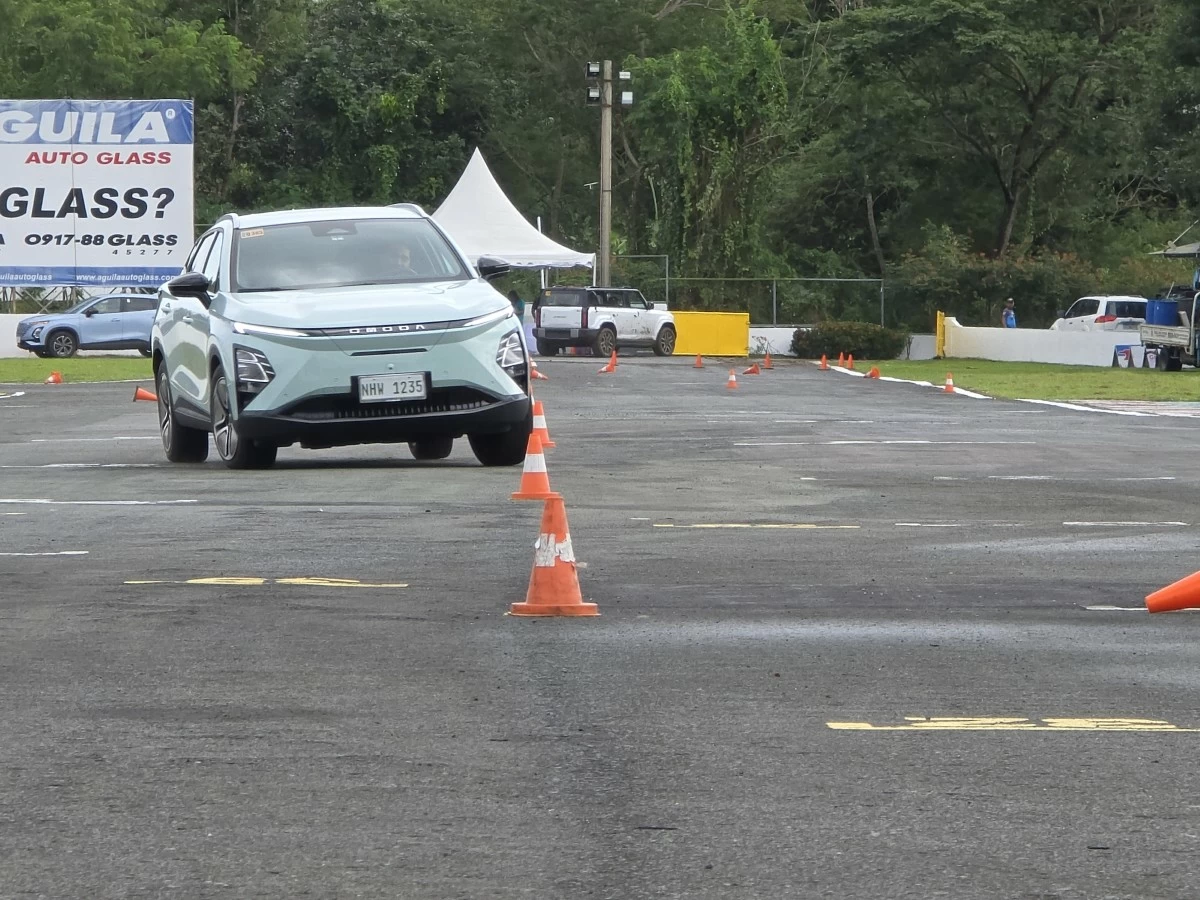
Of course, this doesn’t mean that safety features should be removed from cars, rather, the need to learn about them and how they work is often taken for granted, if not dismissed entirely by the typical driver.
“A mentality of reliance is being bred, rather than what a driver needs to do to be safe and avoid it,” he explains.
The consequences of a strike on one’s license, the cost of a vehicle’s repair, the price of hospitalization would typically be enough encouragement for a driver to want to improve and learn from their mistakes. As a result of all these forms of assistance, the consequences are often dampened and the impetus to improve often fades into obscurity.
“At every step of the way, we have to tighten the screws to improve,” Consunji says, citing how the driver’s license tests, and implementation of violation penalties should weed out bad drivers. However their leniency requires serious institutional and societal reforms to be removed. While that seems unlikely to happen in the short term, one practice we can all do is constant driver re-education and training.
More rigorous education
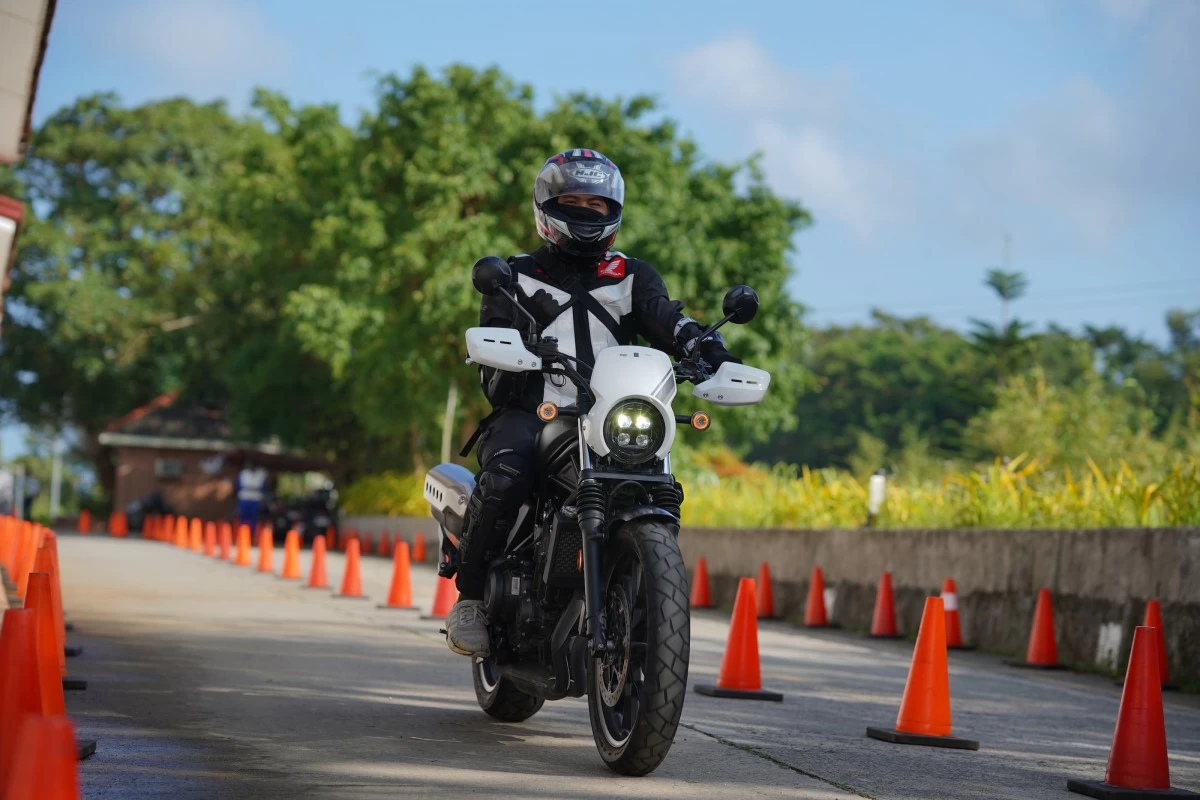
“Driver training and education is continuous. We recommend everyone go back to a refresher course, once every couple of years whether for two-wheels or four-wheels.”
This shouldn’t be limited to just drivers, but everyone who uses the road. “From children to caretakers and yayas, to barangay officials, tanods, they have to learn where to walk, how to stay visible, all of that.”
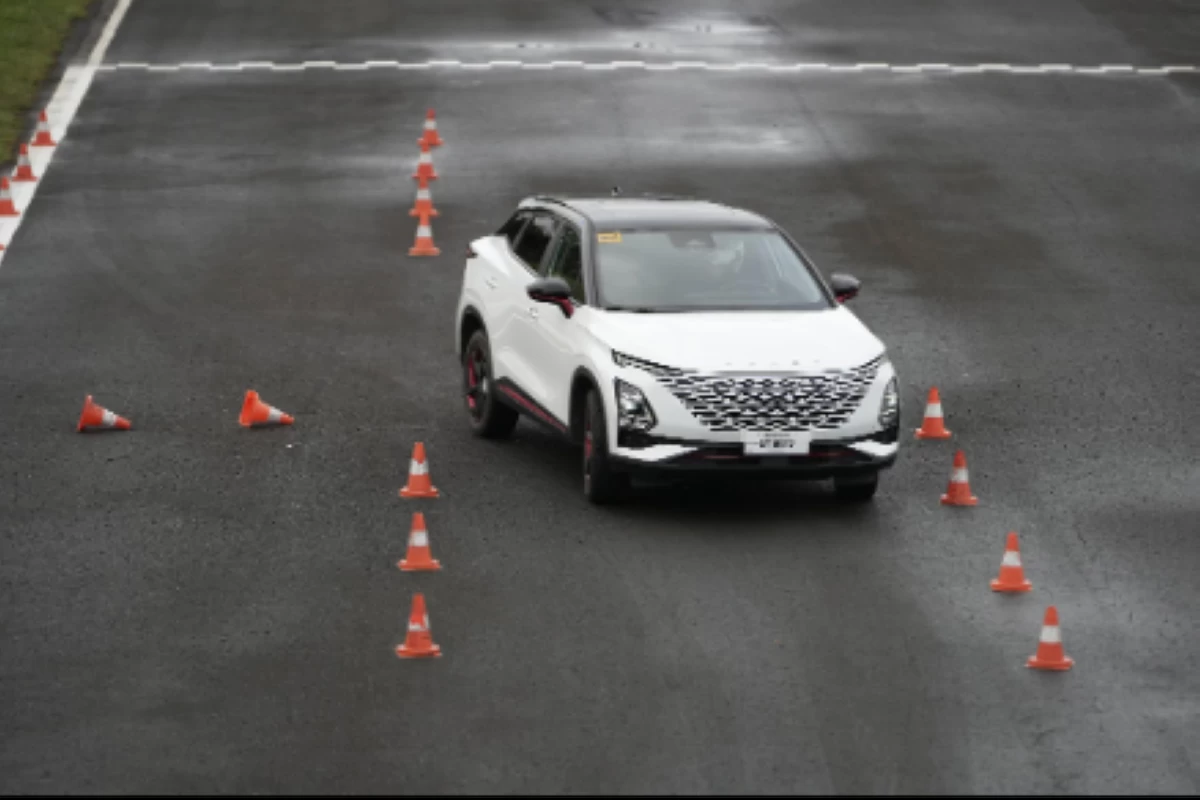
Consunji mentions that many drivers are not taught the difference between the handling characteristics of a small sedan, SUV, or tall van.
“When driving an SUV or van, they think they can simply twist the wheel to avoid an accident. But these cars sometimes have a narrow track or high center of gravity. If you suddenly twist the wheel, you’ll flip.”
Citing the recent accident at NAIA Terminal 1, Consunji also highlights the need to understand even the most basic aspects of a car’s operation. As he notes that an unintentional gear shift may have caused the incident.
Modern technology
“You have to understand the new features of your vehicle, your automatic, how to control it with a paddle shifter, gear selector, dial, or whatever device; understand the safety features of ABS, traction control, the reverse camera, blind spot warnings.”
He notes that education should also be expanded to cover newer driver assistance technologies. Many of which have anti-distraction features like turn by turn voice directions.
“We’re not yet talking about teaching the driver about how to read Waze or Google Maps. When drivers use these apps, why do they look at the phone? Why don’t they just raise the volume to hear the turn by turn directions? Do they know how to judge 50 meters? 60 meters? Left or right? Which lane to be in? Instead, they keep it on silent. They don’t like to hear the directions but they like to watch. But then they don’t watch the road. These are the very distractions that are affecting driver safety.”
He stresses that many even lack the ability to judge distances and what lane to be in to better prepare for upcoming turns. This results in drivers seemingly stopping at critical intersections or making dangerous turns from the wrong lanes.
“We have to help them understand how to do it, particularly while using driver aids.”
Modern advanced driver assistance features (ADAS) use a number of flashing lights, chimes, sounds, and in some cases, even vibrations or actively steering. However, the reasoning behind these warnings is often not understood by the driver of the vehicle, leaving them confused or surprised by the action, rather than understanding why the alarm went off in the first place, and how to avoid it.
“We all have to do our part in learning again; even something as basic as road courtesy. Safety has to be top of mind, there’s always an assumed risk. You could bump a car, or rollover,” he warns.
If the recent crash has taught the driving public anything, it’s that the road is dangerous, and acknowledging that, at least, is the first step towards being a safer driver.
“I think the recent crashes is a wake-up call for everybody. They realized there is a risk. People are now looking at their rear mirror.”