







SRA flags pest infestation in Negros Occidental's sugar farms


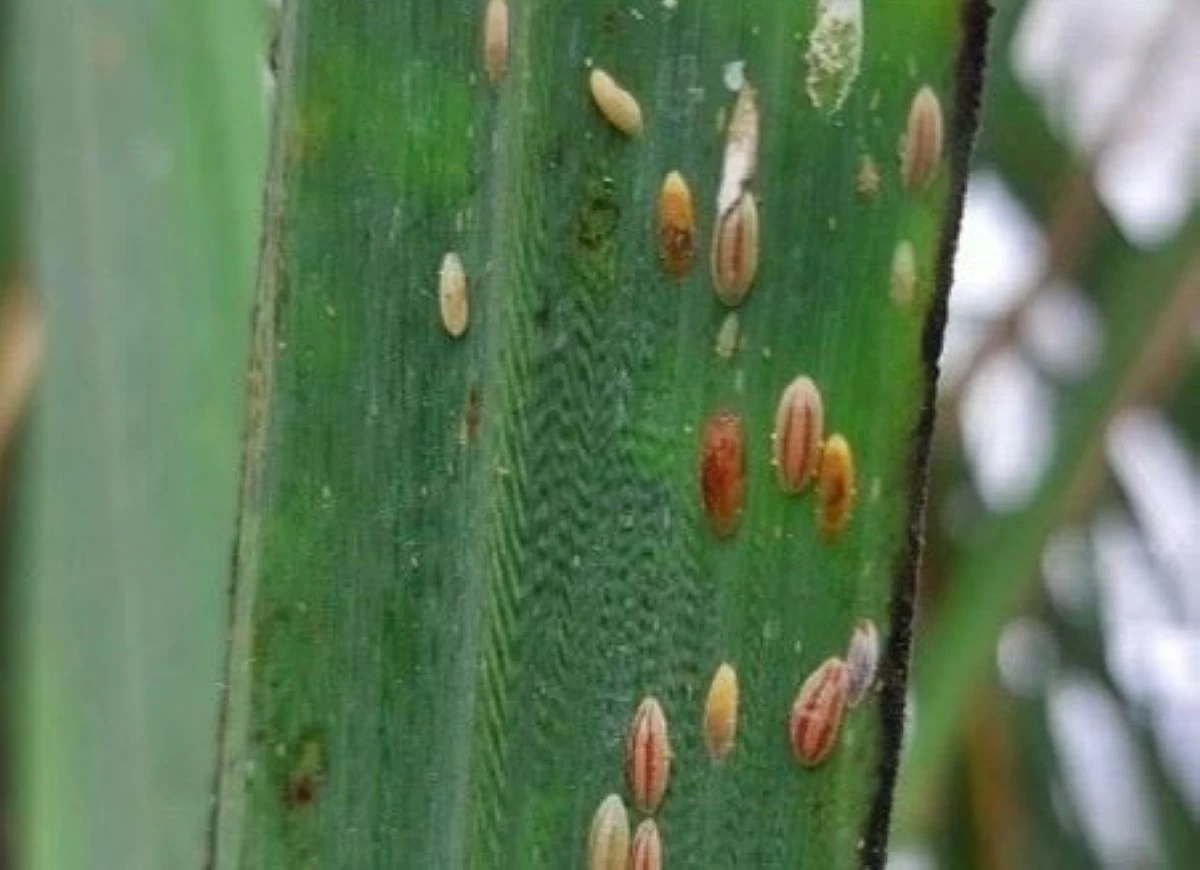
The Sugar Regulatory Administration (SRA) said it is closely monitoring the infestation of red-striped soft scale insects (RSSI) across sugar farms in Negros Occidental, warning that it can reduce sugar content by nearly 50 percent.
In a statement, the SRA said it has swiftly established a special task force to control the infestation after reports of the pest proliferating in the province’s northern portion.
The agency has likewise sought quarantine measures from the Department of Agriculture (DA) to help curb the spread.
SRA Administrator Pablo Luis Azcona is now urging sugar farmers to be “more vigilant” about where they purchase their sugarcane stems, as the RSSI infestation likely originated from Luzon.
He said the pest has been found not only to reduce yield but also to increase production costs and “can threaten the industry’s stability in general.”
“We cannot afford to have an infestation, as some farmers are already starting to plant their canes for the next crop year,” said Azcona.
As the milling year for sugar starts next month in Negros Occidental, the spread of RSSI is unlikely to affect local production this year.
Instead, if not contained, the pest could potentially affect sugar production in the upcoming crop year, beginning in September.
The SRA is expecting the country’s sugar production in the current crop year to reach 1.84 million metric tons (MT), three percent higher than the government’s initial forecast of 1.78 million MT.
The agency is seeing an uptick in sugarcane tonnage per hectare (ha) planted this year, with the Visayas region accounting for the biggest share in the output at 71 percent, and Negros Island contributing 63 percent of the total.
“We made a good showing this year despite the challenges brought about by the long drought, and I hope we can maintain the momentum and even exceed our targets for next year if we will all help one another in containing this infestation,” said Azcona.
The National Crop Protection Center (NCPC) at the University of the Philippines Los Baños (UPLB) has conducted research on RSSI and found that at least five insecticides may be able to limit the infestation.
Based on NCPC’s study, buprofezin, dinotefuran, phenthoate, pymetrozine, and thiamethoxam have shown potential in curbing the spread.
However, the SRA is still looking to run a second field trial in a different location to further test the efficacy of the insecticides.
This will be done before the agency can seek an emergency-use permit from the Fertilizer and Pesticide Authority (FPA), as the aforementioned insecticides are not yet registered for sugarcane.
With the spread of RSSI in Negros Occidental, Azcona is proposing that the second trial be conducted in the province.
While these steps are underway, the SRA will be pushing for strict quarantine of sugarcanes from the infected areas.