







Immerse yourself in the warmth and charm of Guam
It may be known for its postcard-perfect beaches and beautiful vistas, but the heart of the island beats far beyond the shore.
By MB Lifestyle
Published May 21, 2025 02:32 pm


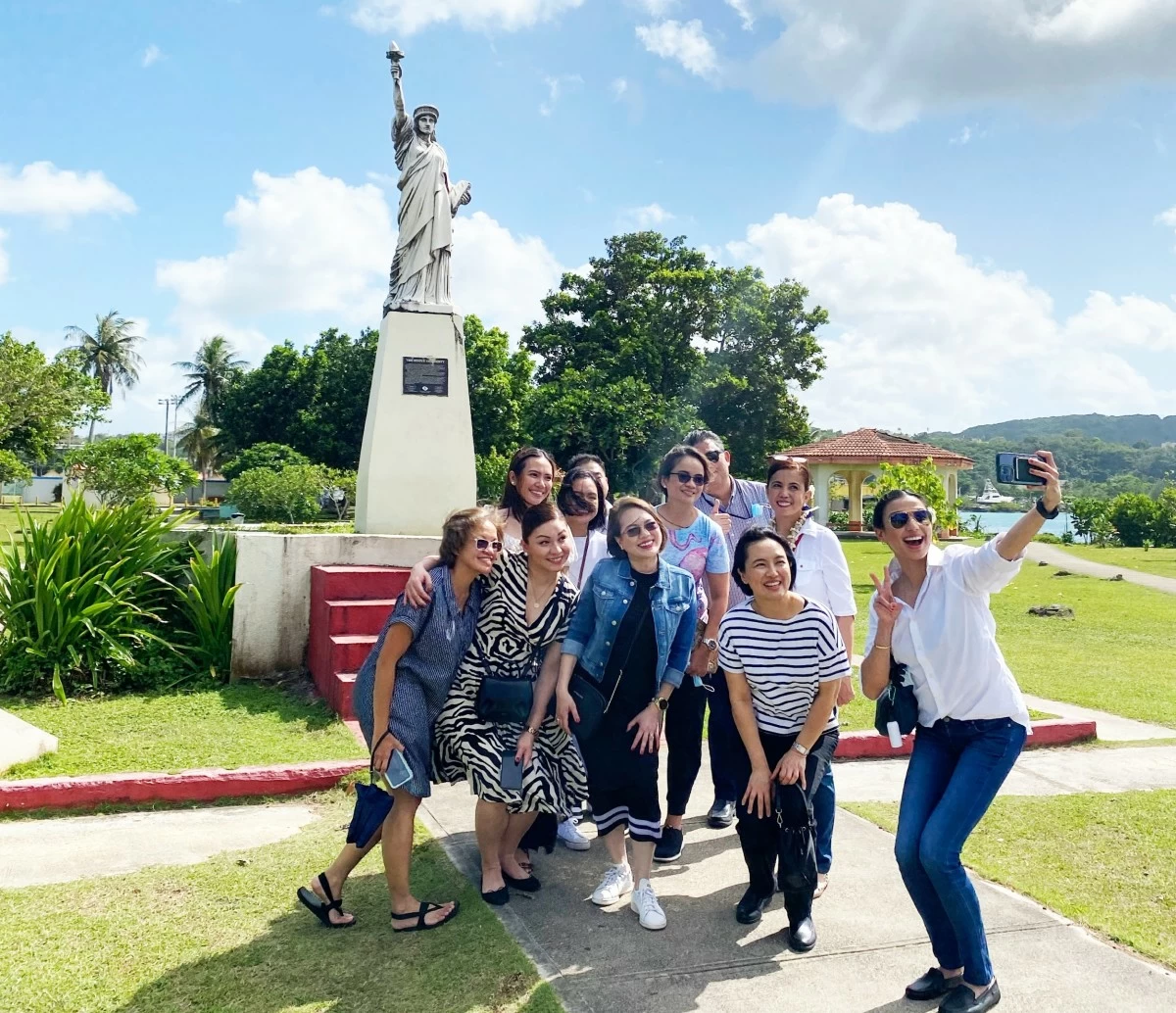
Eager to know the island of Guam more Here’s a well-rounded traveler’s guide to a meaningful island immersion and an authentic CHamoru experience.
If you’re a culture explorer living in the Philippines and looking for a new destination, it’s time to consider visiting Guam, a unique island just three and a half hours away from Manila.
It may be known for its postcard-perfect beaches and beautiful vistas, but the heart of the island beats far beyond the shore. Its true charm lives in the warmth of its people, the stories etched into its landscapes, and the traditions that have withstood centuries of change.
Traveling like a local opens that door. It invites one into conversations, into homes, into ways of living shaped by history, family, and quiet strength. But immersion doesn’t begin with a checklist of places to see, it begins with understanding and respect.
Here’s a guide to exploring the island the local way: with heart, curiosity, and cultural mindfulness.
Understand the soul of the island
More than a U.S. territory, Guam is a tapestry of stories shaped by time, tide, and the tenacity of its people. Long before colonizers arrived, the CHamoru people had already made the island their home, sailing across oceans from Southeast Asia some 4,000 years ago. These early navigators were among the first to master the Pacific, living in harmony with land and sea.
Centuries of colonization by Spain, Japan, and the United States left deep imprints on the island. World War II was especially painful for the people of Guam, but their CHamoru spirits endured. By the 1950s, Guam began embracing modern life under U.S. administration, and with it came a new identity: “Guamanian.” But underneath it all, the CHamoru culture stayed strong, proud, and alive.
Travellers will feel this welcoming culture in every “Håfa Adai,” a CHamoru greeting that translates to “hello.” Hospitality here is heartfelt, grounded in the values of family, faith, and respect.
Keep in mind that family comes first in their culture. Respect for elders, or “manåmko,” is practiced with care. Community well-being, known as inafa’maolek, guides how people live and treat one another. Visitors are always welcome, but courtesy goes a long way: take off your shoes before entering a home, ask permission before taking photos, and always greet with sincerity.
Discover stories in every landmark
Guam is an island where the past lingers in the land. Every stone, trail, and overlook tells a story passed down through generations. Beginning at Latte Stone Park, ancient stone pillars stand as enduring symbols of CHamoru strength and ingenuity. These lattes, crafted between 1200 and 300 years before the present, were used as foundations for homes and significant buildings. Each set features a haligi, the upright shaft, and a tåsa, the capstone balanced on top. Unique to the Mariana Islands, latte stones are unmatched in world architecture. The Spanish once called them “Casa de los Antigos” or “Houses of the Ancients.” Today, that legacy rises higher in the Latte of Freedom, an 80-foot monument that stands as a proud symbol of welcome in the Western Pacific.
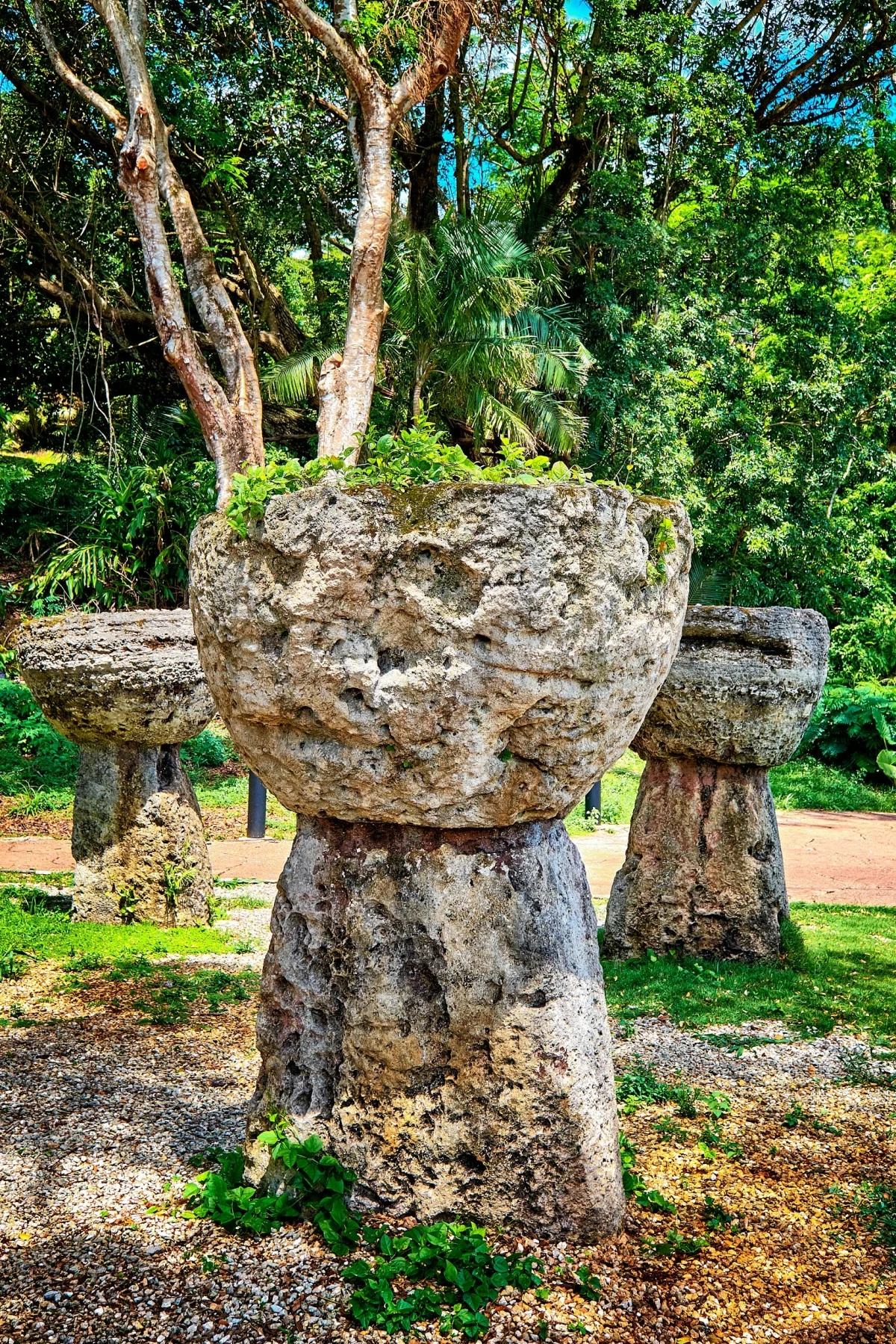
Latte Stone Park
Travel south and walk through Fort Nuestra Señora de la Soledad, perched high on the cliffs above Humåtak (Umatac) Bay. Built during the height of the Spanish Galleon trade, this fort was designed to protect one of Guam’s most strategic harbors. It stands today not just as a piece of colonial architecture, but as a reminder of Guam’s role in global trade and its continued strength through shifting tides of history.
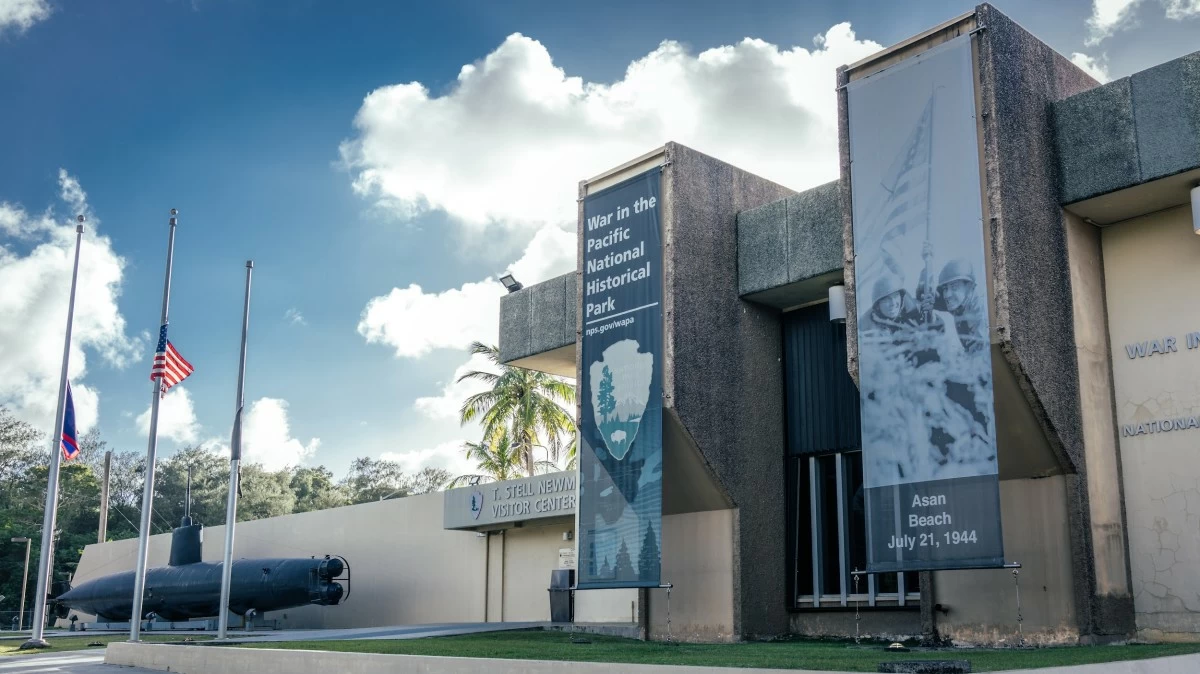
War in the Pacific National Historical Park
For a deeper reflection, visit the War in the Pacific National Historical Park. Here, monuments and memorials remember the pain and bravery of World War II. The park preserves not only battlegrounds and stories of sacrifice, but also the island’s natural beauty, allowing visitors to reflect on the cost of conflict in the stillness of coastal landscapes.
Explore favorite local spots & eat where locals dine
Every Wednesday night, the Chamorro Village Market comes alive with island rhythms. Here, travellers will find handmade crafts, sizzling food stalls, live music, and dance that pulses with pride. If your timing is right, join a fiesta or catch a cultural performance; these moments are the heartbeat of the island, where food, music, and memory come together in celebration.
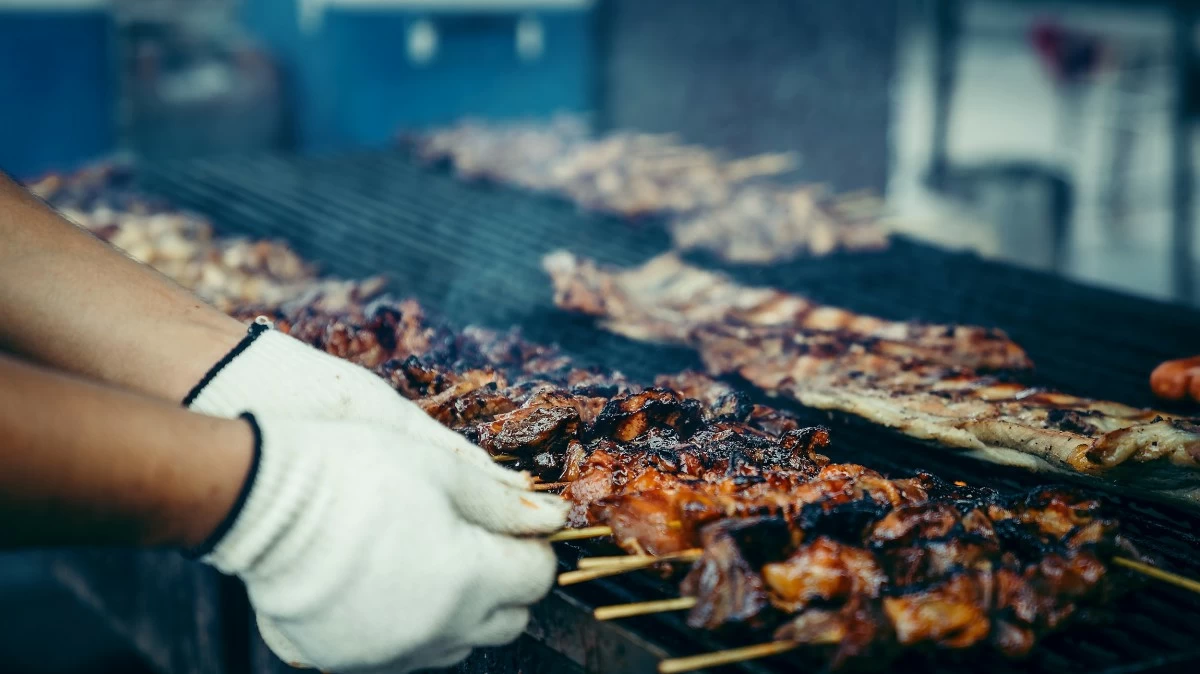
Comfort food to enjoy
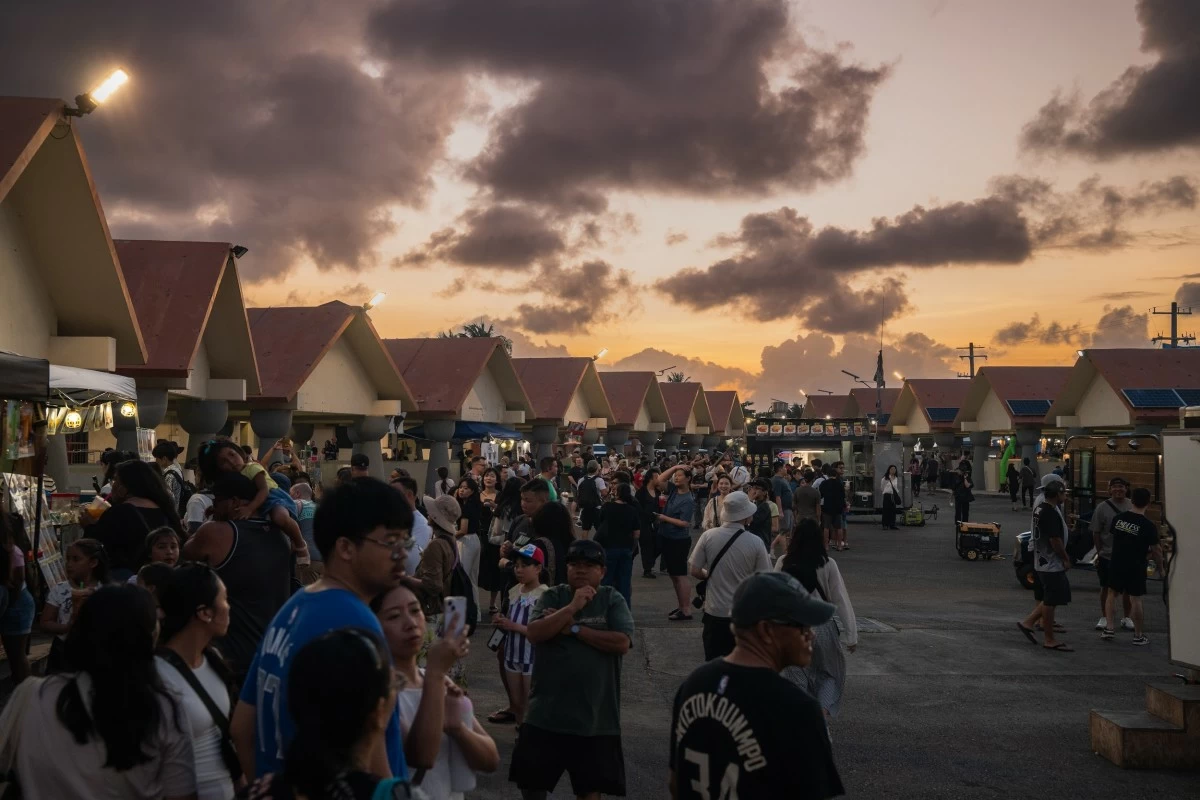
Chamorro Village Night Market
The island’s comfort food is rich with flavor and heritage, starting with red rice and BBQ ribs or chicken, grilled roadside and served with the kind of generosity that’s second nature here. Try kelaguen, a citrus-marinated dish made with chicken, beef, or seafood, best enjoyed with a splash of fina’denne’, the spicy sauce found on almost every local table. Shrimp patties, banana doughnuts, and coconut desserts round out meals that feel like home, even if it’s your first time on the island.
Skip the usual chains and go where stories are served with every plate. Family-owned eateries, tucked into villages or perched by the road, offer a more honest taste of island life. Don’t be shy to ask locals for their go-to spots, one might find himself at King’s Restaurant, a beloved diner known for weekend breakfasts and late-night comfort food. Here, meals stretch into conversations, and visitors quickly become regulars. With their culture and food almost similar to Filipinos’, it will feel like a home not so far away from home.
Engage with Guam's culture
To truly engage with Guam’s culture is to move through the island with thoughtfulness. Start by supporting what’s homegrown. Visit local artisans whose crafts tell stories, woven pandanus baskets, hand-carved jewelry, and pottery shaped by heritage. Choose family-run shops over mass-produced souvenirs. Walk lightly, both figuratively and literally. Follow environmental practices like staying on marked trails, reducing plastic waste, and respecting wildlife. Sacred spaces, such as ancient latte sites and memorial grounds are living memories, so treat them with quiet reverence.
Nature can be part of the cultural experience. Hike up Mount Lamlam, Guam’s highest peak, not just for the view but for the quiet sense of connection that comes from standing where sky meets sea.
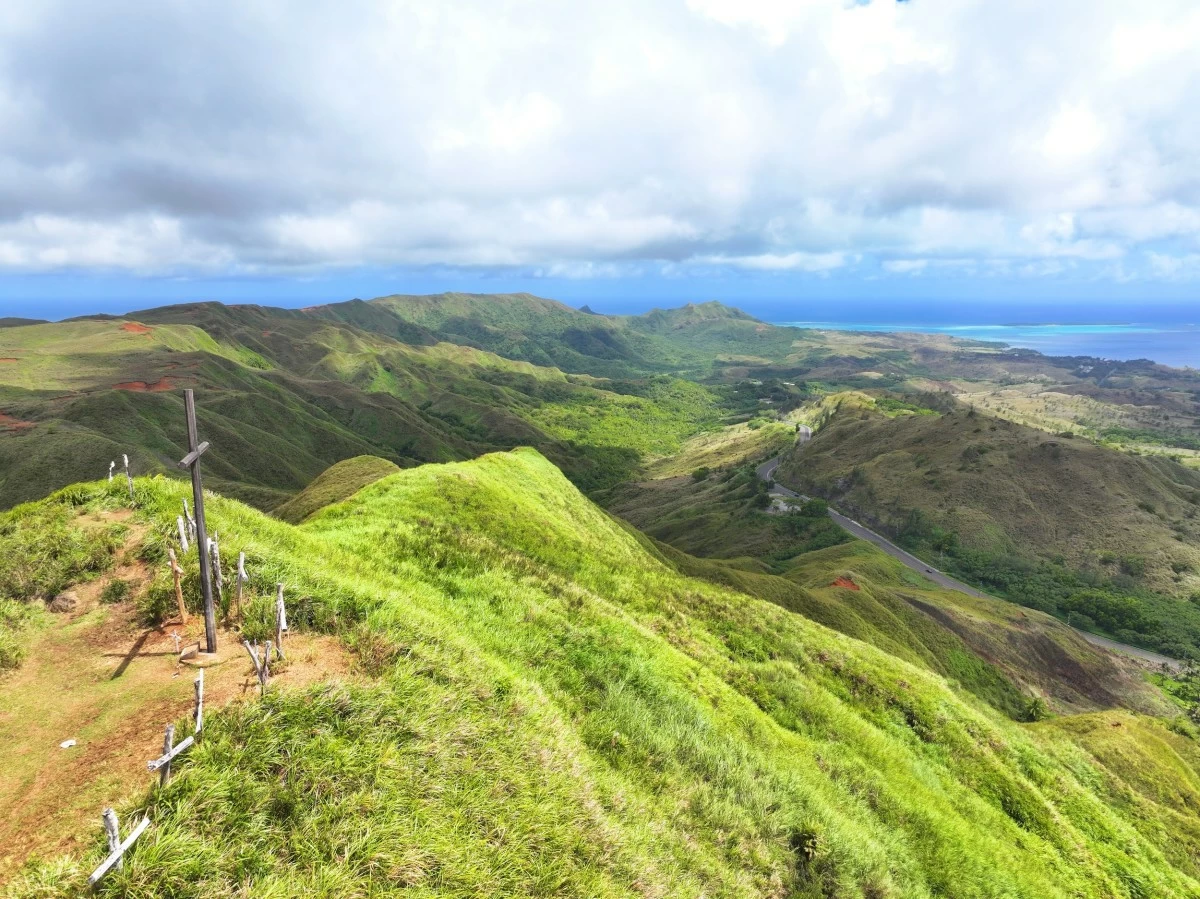
Mt. Lamlam
The essence of CHamoru culture is found in the everyday: in the way elders are greeted first, in the shared meals that need no occasion, in the belief that what we do for each other, we do for ourselves.
What makes a CHamoru immersion unforgettable is what the travellers carry home. The laughter shared at a fiesta, the silence at a cliffside lookout, the warmth of a stranger who treated you like family. Guam gives more to those who offer their attention, their curiosity, and their respect.
If you’re ready to go beyond the surface, learn more or start planning your journey to Guam today at visitguam.ph.