






 Business
Trade & Industry
DOTr acknowledges NCAP imperfections, seeks improvements upon return
Business
Trade & Industry
DOTr acknowledges NCAP imperfections, seeks improvements upon return
DOTr acknowledges NCAP imperfections, seeks improvements upon return


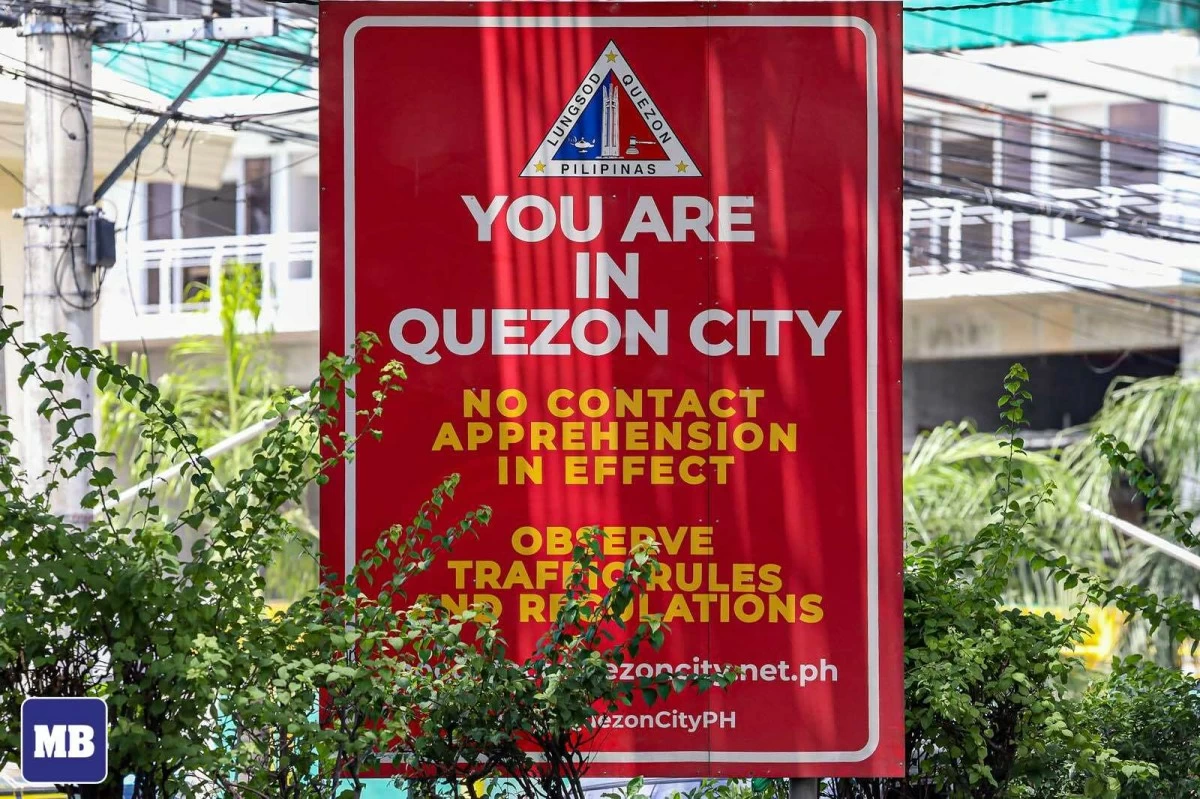
Transportation Secretary Vince Dizon acknowledged that the lifting of the temporary restraining order (TRO) against the No Contact Apprehension Policy (NCAP) is a ”big win” for the government, however, noting that the policy is far from perfect.
The Metropolitan Manila Development Authority (MMDA) announced that the NCAP will be reimplemented along EDSA, C5, and other major roads under its jurisdiction beginning on Monday, May 26.
This comes after the Supreme Court lifted the TRO it issued in 2022 against the implementation of the National Capital Area Plan (NCAP), following a petition filed by various transport groups.
On Wednesday, May 21, Dizon held a consultative meeting with road safety advocates to strengthen policies ensuring the safety of motorists and commuters.
He said the resumption of NCAP will particularly aid in the enforcement of road safety as it enables authorizes to capture photos and videos to apprehend traffic violators easily.
“I think it's a big win, big victory yan. Not just for the government but also for the motorists and commuters,” Dizon told reporters.
“So, proseso po ito, hindi perfecto ito. (So, this is a process, it’s not perfect.) But I think it's a step in the right direction,” he added.
The DOTr chief said one of the measures the MMDA will take in enforcing the policy is to allow violators to “contest” their supposed violations.
He said this will allow motorists to defend themselves in instances where the supposed offense was not necessarily their fault.
At the same time, the government is also looking to improve lane markings along monitored roads to ensure that swerving vehicles are apprehended.
He, however, floated that these improvements could be done concurrently with the planned EDSA “rebuild” next month, as the government set its sights on overhauling Metro Manila’s busiest thoroughfare.
The country’s biggest auto club, Automobile Association Philippines (AAP), expressed its support to the return of NCAP as part of enhancing traffic road safety rules.
In a bid to improve its implementation, the AAP said the government must oversee “a lot of engineering” to ensure that it will be seamlessly enforced.
“There is a need to perfect the pavement markings, the signage. There is a need for information campaign and education,” said AAP’s Robby Consunji.
Meanwhile, Angkas Head of Public Affairs Carlo Castro said the motorcycle taxi service firm has commitment to train and self-regulate its riders to ensure that safety remains the top priority.
“On the part of the public sector, government has committed to us that they will start enforcing road rules. Starting with the NCAP, they will start enforcing road regulations to make sure that whatever the private sector is doing is complemented by law enforcement,” added Castro.