






Manila Bulletin
 Philippines
National
Davao families in informal sector among hardest hit by child labor — DOLE
Philippines
National
Davao families in informal sector among hardest hit by child labor — DOLE
Philippines
National
Davao families in informal sector among hardest hit by child labor — DOLE
Davao families in informal sector among hardest hit by child labor — DOLE
By Trixee Rosel
Published May 21, 2025 12:21 pm


At A Glance
- Informal sector families in Davao Region remain among the most vulnerable to child labor, according to DOLE.
- Most affected children come from low-income households engaged in farming, fishing, or street vending.
- At least 594 child laborers have been assisted or referred to appropriate agencies as of May 15.
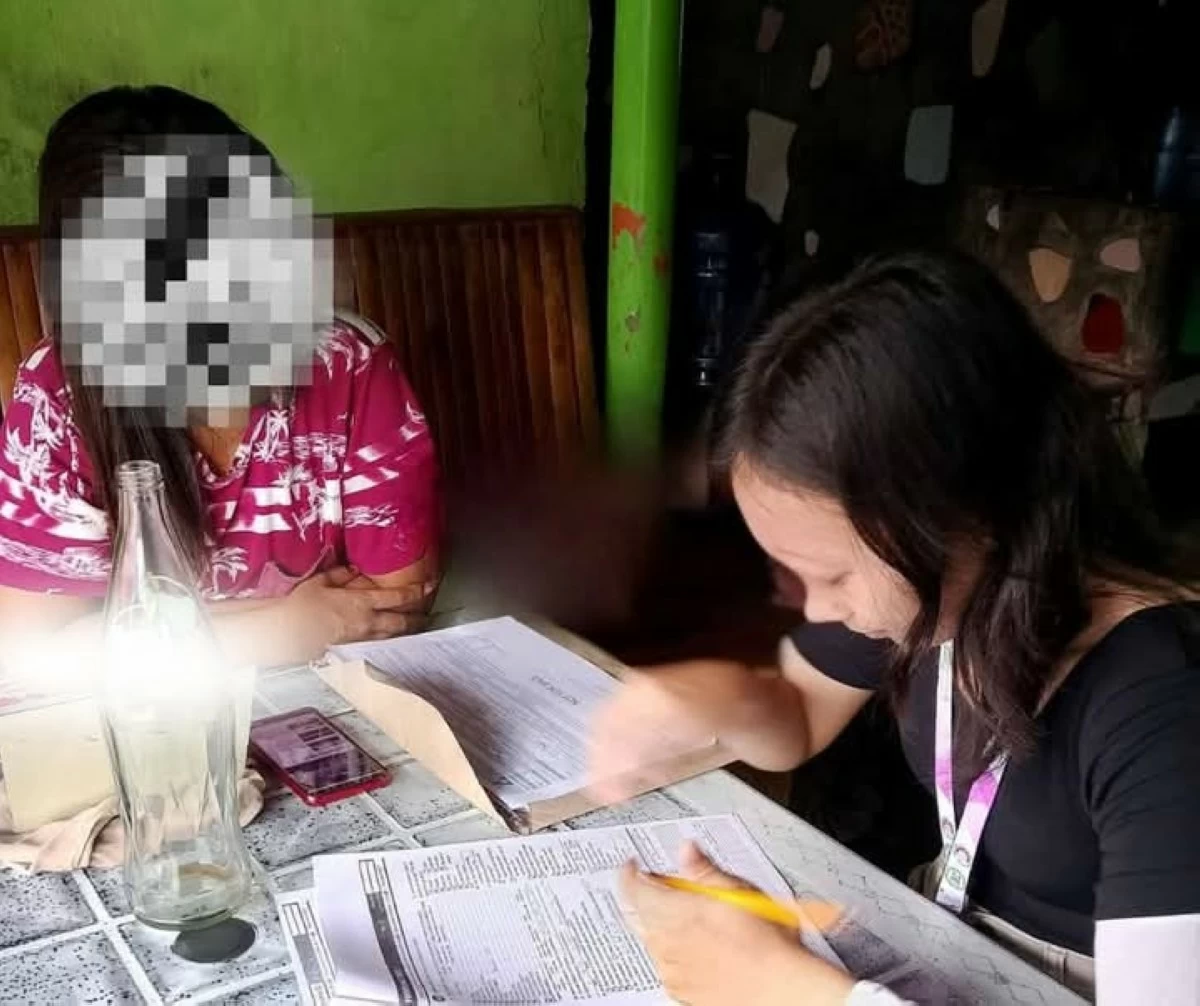
DOLE Davao Oriental personnel interview child laborers and their families as part of the ongoing profiling under the Child Labor Prevention and Elimination Program. (Photo from DOLE)
Children from families dependent on informal livelihoods in Davao Region remain among the most vulnerable to child labor, the Department of Labor and Employment (DOLE) reported, citing data from its ongoing regional profiling efforts.
DOLE Davao Regional Director Randolf C. Pensoy said many of the profiled children belong to households earning below minimum wage through farming, fishing, or street vending—circumstances that often push minors into early labor, affecting their education and well-being.
The profiling is part of DOLE’s Child Labor Prevention and Elimination Program (CLPEP), which seeks to identify child laborers, assist in their reintegration into school, and provide livelihood support to their families.
In Davao Oriental, the DOLE field office (DOFO) is building a comprehensive database to guide targeted interventions, including educational assistance and livelihood aid for parents.
“Profiling helps us understand the conditions child laborers face and enables us to implement more responsive measures to protect them,” said DOFO Provincial Head Rodolfo Castro Jr.
DOLE said it is also coordinating with local government units and partner organizations to ensure sustained assistance for identified children and their families.
As of May 15, at least 594 child laborers in the region have been assisted or referred to appropriate agencies for further intervention.