






 Philippines
National
NCAP reinstatement to instill discipline among motorists, MMDA says
Philippines
National
NCAP reinstatement to instill discipline among motorists, MMDA says
NCAP reinstatement to instill discipline among motorists, MMDA says


At A Glance
- For the MMDA, the lifting of the TRO is timely as the agency is preparing for the expected heavy traffic along EDSA due to the scheduled massive rehabilitation.
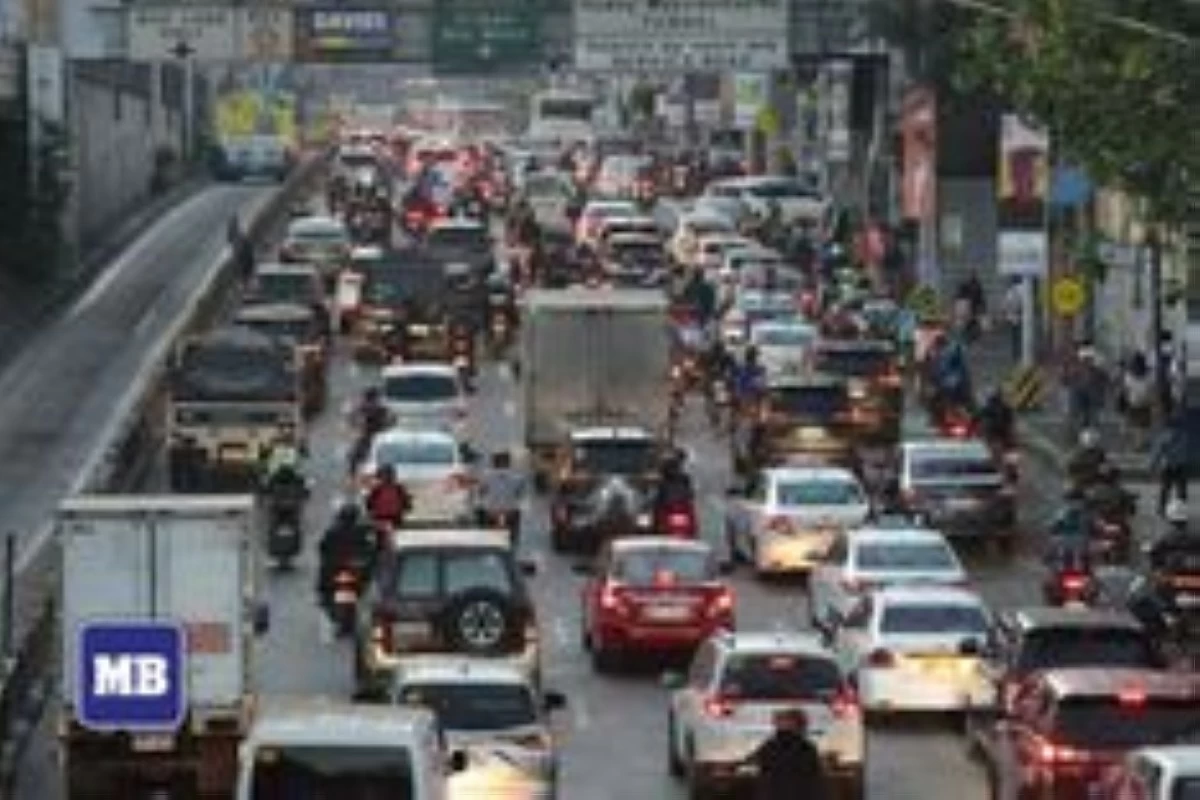
The Metropolitan Manila Development Authority (MMDA) insisted that the implementation of the No Contact Apprehension Policy (NCAP) is a big boost to the goal of instilling discipline among motorists as it welcomed the lifting of the temporary restraining order (TRO) by the Supreme Court.
For the MMDA, the lifting of the TRO is timely as the agency is preparing for the expected heavy traffic along EDSA due to the scheduled massive rehabilitation.
“As the implementation of NCAP resumes, we hope to instill road discipline among motorists. Rest assured that the single ticketing system and new NCAP guidelines have addressed concerns raised in the petition,” the MMDA statement read.
NCAP was implemented by the MMDA and in five local government units in Metro Manila— Manila, Quezon City, Valenzuela, Muntinlupa, and Parañaque through a February 2016 resolution of the MMDA.
While its implementation was hailed by government traffic enforcers, a number of motorists raised some concerns regarding its implementation.
Transport groups later questioned its implementation and raised the legal issue of constitutionality of the NCAP and on Aug. 30, 2022, the Supreme Court issued a TR on its implementation.
The reasons
In the petition filed by transport groups, they argued that NCAP had no legal grounds since it is not explicitly defined either in the Republic Act 7924 that serves as the enabling charter of the MMDA, and the RA 4136 which created the Land Transportation Office.
And since it has no legal grounds, it is unconstitutional and therefore, NCAP implementation is not valid under the law.
“At the time when the MMDA resolution was passed, there was no statute nor ordinance, allowing the MMDA to augment traffic rules and regulations, to add or to expand the coverage of persons, other than the offending driver, who are liable for committing traffic violations,” the petition read.
While the LGUs enacted their respective ordinances in support of the resolution, the petition stated it is still invalid since there are no existing laws passed by the Congress that allows the implementation of no-contact apprehension.
What transport groups and motorists have been raising against the NCAP was also the guideline that passes the liability to registered owners under the presumption that they are the ones driving their vehicles.
For the transport groups, this violates the principle of due process.
The groups added that NCAP provisions impose unreasonable conditions that include non-renewal of the vehicle registration until such time that the fines are settled, and that the NCAP implementation makes innocent third persons liable for traffic violations.
Traffic management
The High Court’s order, however, only concerns the MMDA which means that the lifting of the TRO paves the way to the implementation of NCAP along EDSA and C5 Road.
Last week, the submitted a Motion for Reconsideration to the Supreme Court, through the Office of the Solicitor General, to lift the TRO in order to “effectively address traffic congestion on Metro Manila’s major thoroughfares and to safeguard the welfare and safety of all road users.”
“The reinstatement of NCAP is expected to strengthen the agency’s traffic management along EDSA and other major thoroughfares, utilizing closed-circuit television cameras, digital cameras, and other technology to capture videos and images of traffic violators, record traffic violations, and issue citations,” it added.