






Manila Bulletin
 Philippines
National
Government delivers livelihood support to Ilocos vulnerable sectors
Philippines
National
Government delivers livelihood support to Ilocos vulnerable sectors
Philippines
National
Government delivers livelihood support to Ilocos vulnerable sectors
Government delivers livelihood support to Ilocos vulnerable sectors
By Trixee Rosel
Published May 20, 2025 12:56 pm
|
Updated May 20, 2025 01:13 pm


At A Glance
- DOLE and DSWD accelerate delivery of livelihood and emergency employment programs for Ilocos vulnerable sectors.
- Joint efforts focus on aligning TUPAD, DILP, 4Ps, and SLP to boost sustainable income opportunities.
- Regional officials pledge stronger coordination to ensure aid reaches underserved communities.
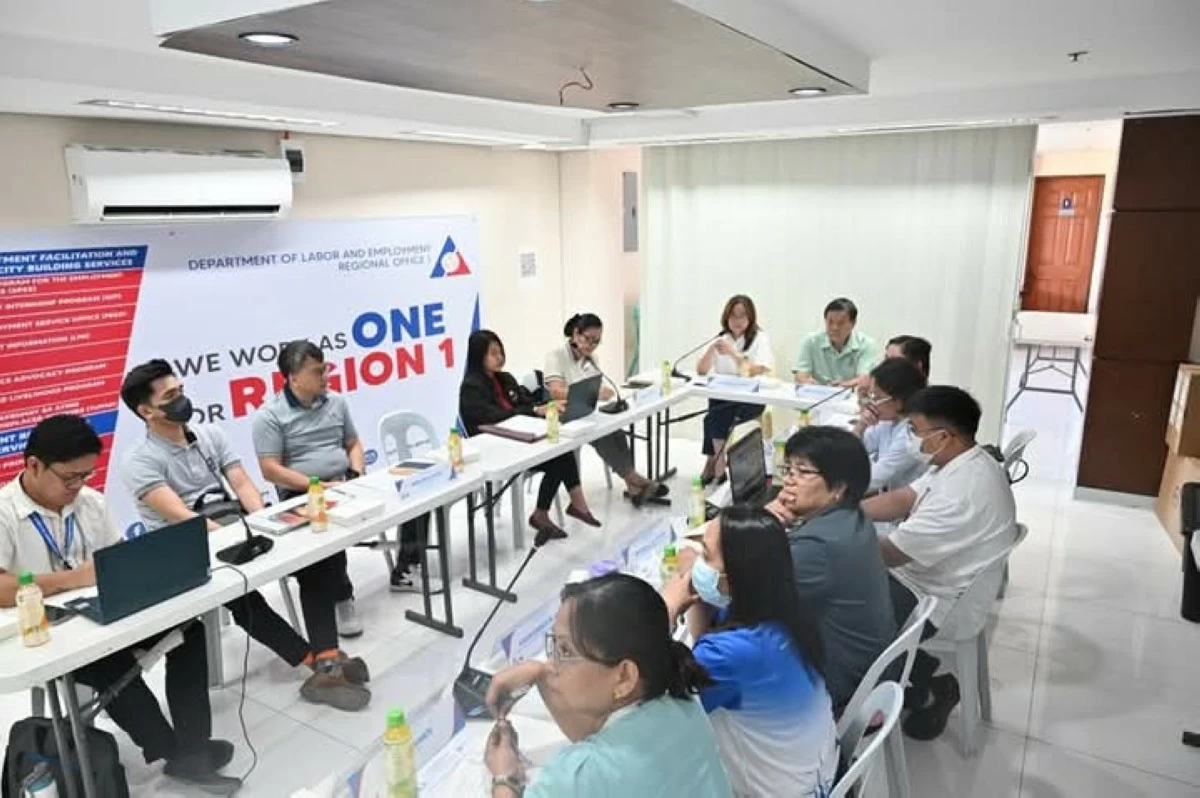
Representatives from DOLE Region 1, led by Regional Director Exequiel Ronie A. Guzman (rightmost in green) and Assistant Regional Director Honorina Dian-Baga (second from right), meet with DSWD Region 1 officials to discuss collaborative programs for vulnerable sectors, including 4Ps beneficiaries, indigenous peoples, and parents of child laborers. (Photo from DOLE)
The Department of Labor and Employment (DOLE) and the Department of Social Welfare and Development (DSWD) have intensified efforts to deliver livelihood and emergency employment support to displaced and vulnerable sectors in the Ilocos Region.
In a convergence meeting held on May 6 at the DOLE Regional Office in San Fernando City, DOLE Regional Director Exequiel Ronie A. Guzman and DSWD Assistant Regional Director Anniely J. Ferrer committed to strengthening inter-agency coordination to fast-track joint initiatives and ensure aid reaches underserved communities.
Guzman underscored the importance of unified government efforts in reaching individuals affected by displacement, underemployment, and seasonal work conditions.
Key programs under the collaboration include DOLE’s Integrated Livelihood Program (DILP), which provides livelihood grants, and the Tulong Panghanapbuhay sa Ating Disadvantaged/Displaced Workers (TUPAD), a short-term emergency employment program.
These are being aligned with DSWD’s Pantawid Pamilyang Pilipino Program (4Ps), Sustainable Livelihood Program (SLP), and Zero Hunger Program to create long-term income-generating opportunities—particularly for 4Ps beneficiaries nearing graduation, parents of child laborers, and indigenous communities.
TUPAD will also complement other DSWD initiatives such as LAWA (Local Adaptation to Water Access), BINHI (Breaking Insufficiency through Nutritious Harvest for the Impoverished), and the Zero Hunger Program to broaden emergency employment coverage.
DOLE likewise encouraged 4Ps beneficiaries to participate in its monthly job fairs to widen access to formal employment opportunities.
Both agencies reaffirmed their commitment to promoting inclusive social protection and economic resilience through responsive, community-based interventions.