






 Business
Trade & Industry
Philippines upholds multilateral trading system in APEC MRT meet
Business
Trade & Industry
Philippines upholds multilateral trading system in APEC MRT meet
Philippines upholds multilateral trading system in APEC MRT meet


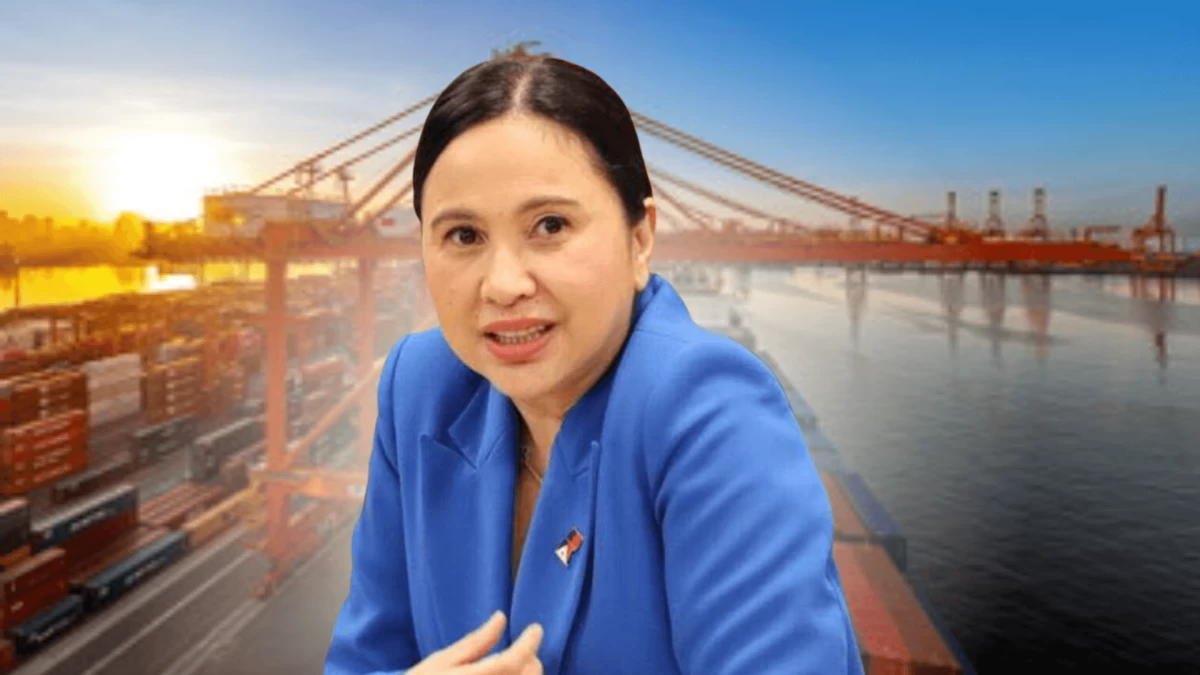
The Philippines remains firm in promoting a rules-based multilateral trading system amid recent upheavals in global trade, such as the United States’ (US) new tariff policy, according to Department of Trade and Industry (DTI) Secretary Cristina Roque.
Roque served as the country’s delegate at the 2025 Asia-Pacific Economic Cooperation (APEC) Ministers Responsible for Trade (MRT) meeting last week in Jeju, South Korea.
During the meeting, the Secretary reaffirmed the country’s commitment to uphold a fair, stable, and inclusive global trading system as a means to build resilient and inclusive economies.
“We remain concerned with actions that jeopardize global supply chains, raise trade costs, and erode confidence in the multilateral system,” Roque said.
In a joint statement issued by APEC Trade chiefs, the 21-member bloc called for strategic reforms in the Geneva-based World Trade Organization (WTO) to make it more responsive in light of recent developments.
While the tariffs were not directly mentioned, the group said its members are “concerned with the fundamental challenges faced by the global trading system.”
Last month, US President Donald Trump imposed new tariffs against its trading partners, with the Philippines facing a 17-percent reciprocal tariff.
These reciprocal tariffs, which were described as an instrument to level the playing field when it comes to trade deficits, were put on hold until July.
As the world prepares for the resumption of the disruptive policy, Roque stressed that the WTO “must remain responsive to evolving global trade realities.”
The DTI chief added that the international trade body should reform its dispute settlement mechanism, alongside advancing negotiations on agriculture and fisheries subsidies.
While these changes are underway, she said the member economies of APEC should adopt a whole-of-nation approach to achieve sustainable and resilient economies.
“It is crucial to engage with a wide range of stakeholders, including businesses, civil society, and the scientific community, to ensure that trade policies are informed by the latest knowledge and best practices,” Roque added.
Further, the Trade official urged APEC to focus on the transformative potential of emerging technologies, such as artificial intelligence (AI).
“AI and emerging technologies offer an unprecedented opportunity to redefine global trade. It is imperative that we create an empowering digital environment, one that is secure, inclusive, and prosperous,” she said.
She likewise pushed for stronger regional cooperation to address key digital challenges, including the digital divide, data privacy, cybersecurity, and regulatory fragmentation.
Free trade
On the sidelines of the APEC MRT meeting, the Trade Secretary also participated in the special Association of Southeast Asian Nations (ASEAN)-APEC Ministerial Caucus.
In the meeting, Roque emphasized the Philippines’ commitment to regional economic cooperation and free trade.
“More than ever, ASEAN must stand united as a stabilizing force and proactive partner in shaping the evolving global order,” she said.
Roque also reaffirmed the country’s support for the expansion of the Regional Comprehensive Economic Partnership (RCEP), which facilitates trade and expansion within ASEAN and its trading partners.
“Under the strategic direction of President Ferdinand R. Marcos Jr., the Philippines remains resolute in ensuring that ASEAN’s collective actions are timely, strategic, and responsive to the dynamic global economy,” she added.