ADVERTISEMENT

No need to panic over rise in Covid-19 cases abroad — infectious disease expert

Published May 19, 2025 06:34 pm
(MB FILE PHOTO)
(MB FILE PHOTO)

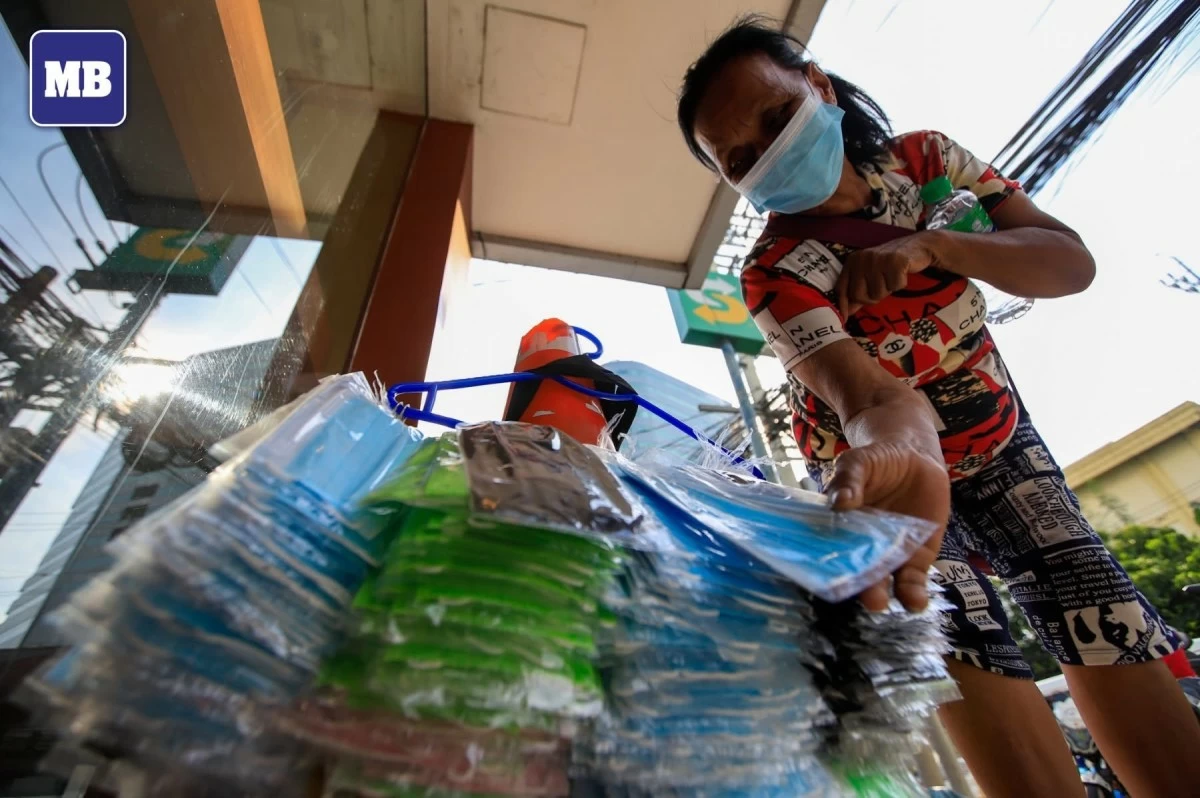
Despite reported increases in Covid-19 cases in countries such as Hong Kong, South Korea, and Singapore, an infectious disease expert said on Monday, May 19, that there is no cause for alarm as these trends are expected and do not signal the emergence of a new variant.

“Iyong mga kasong naitala sa ibang bansa hindi pa natin na-experience ngayong buwan (The cases reported in other countries have not yet occurred here this month),” infectious disease expert Dr. Rontgene Solante said in a radio interview.

Solante explained that countries with robust disease monitoring systems are more likely to detect and report such upticks.

“Actually, expected naman ito sa mga ibang bansa, especially maganda ‘yung surveillance nila, reporting of cases. Talagang hanggang ngayon, itong Hong Kong, Korea, Singapore are really active sa surveillance nila in any increase in the respiratory track infections (Actually, this is expected in other countries, especially those with strong surveillance and reporting systems. Even now, Hong Kong, Korea, and Singapore are very active in monitoring any rise in respiratory tract infections).”

He stressed that the virus circulating in those areas is not a new variant, but part of the Omicron family that has already been de-escalated.

“Ang Covid, hindi pa rin nawawala… this is still the old variant of the different lineages of the Omicron but na-deescalate na ito… ang ability ng virus na ito na magiging severe or tumataas ang transmissibility… hindi nagbabago (COVID hasn’t disappeared… this is still the old variant from the different Omicron lineages, but it has been de-escalated… the ability of this virus to cause severe disease or increased transmission has not changed),” said Solante.

“So ibig sabihin, there will be countries that will be reporting clusters of increase in cases but it’s nothing. That is not something to be alarmed with or kailangan tayong mag-panic (So that means some countries may report clusters of increased cases, but it’s nothing. There’s no reason to be alarmed or for us to panic),” he went on.

The infectious disease expert attributed the increase in cases abroad to the easing of health protocols and the ongoing circulation of the virus.

“There are countries na circulating pa rin ang infection na ‘to and alam naman natin nagbaba na tayo ng mga health protocol… parang influenza lang ‘yan during November and December (There are countries where the virus is still circulating, and we know that health protocols have been relaxed… it’s similar to how influenza spikes during November and December),” he said.

“Kaya this is something that is not unusual in terms of clustering of cases sa ibang bansa (So this is not unusual in terms of clustering of cases in other countries).”

No alarming trend in PH

On Saturday, May 17, the Department of Health (DOH) said it is closely monitoring developments in Southeast Asia, where some countries have reported slight upticks in infections, despite the sharp decline in Covid-19 cases in the Philippines.

“We are actively coordinating through established mechanisms like ASEAN,” the DOH said in a statement.

“This provides us with verified information, boosting readiness even as we see no cause for alarm.”

The agency reiterated that there is “no cause for alarm,” citing the continued downtrend in local cases.

As of May 3, the DOH reported an 87 percent decrease in COVID-19 cases and deaths compared to the same period in 2024.

So far this year, only 1,774 cases have been recorded, significantly lower than the 14,074 cases reported in 2024.

The country’s case fatality rate stands at 1.13 percent, indicating improved clinical outcomes and management of the disease.

Related Tags

COVID-19 PHILIPPINES NO NEED TO PANIC CASES ASIA
ADVERTISEMENT
.most-popular .layout-ratio{ padding-bottom: 79.13%; } @media (min-width: 768px) and (max-width: 1024px) { .widget-title { font-size: 15px !important; } }

{{ articles_filter_1561_widget.title }}

.most-popular .layout-ratio{ padding-bottom: 79.13%; } @media (min-width: 768px) and (max-width: 1024px) { .widget-title { font-size: 15px !important; } }

{{ articles_filter_1562_widget.title }}

.most-popular .layout-ratio{ padding-bottom: 79.13%; } @media (min-width: 768px) and (max-width: 1024px) { .widget-title { font-size: 15px !important; } }

{{ articles_filter_1563_widget.title }}

{{ articles_filter_1564_widget.title }}

.mb-article-details { position: relative; } .mb-article-details .article-body-preview, .mb-article-details .article-body-summary{ font-size: 17px; line-height: 30px; font-family: "Libre Caslon Text", serif; color: #000; } .mb-article-details .article-body-preview iframe , .mb-article-details .article-body-summary iframe{ width: 100%; margin: auto; } .read-more-background { background: linear-gradient(180deg, color(display-p3 1.000 1.000 1.000 / 0) 13.75%, color(display-p3 1.000 1.000 1.000 / 0.8) 30.79%, color(display-p3 1.000 1.000 1.000) 72.5%); position: absolute; height: 200px; width: 100%; bottom: 0; display: flex; justify-content: center; align-items: center; padding: 0; } .read-more-background a{ color: #000; } .read-more-btn { padding: 17px 45px; font-family: Inter; font-weight: 700; font-size: 18px; line-height: 16px; text-align: center; vertical-align: middle; border: 1px solid black; background-color: white; } .hidden { display: none; }
function initializeAllSwipers() { // Get all hidden inputs with cms_article_id document.querySelectorAll('[id^="cms_article_id_"]').forEach(function (input) { const cmsArticleId = input.value; const articleSelector = '#article-' + cmsArticleId + ' .body_images'; const swiperElement = document.querySelector(articleSelector); if (swiperElement && !swiperElement.classList.contains('swiper-initialized')) { new Swiper(articleSelector, { loop: true, pagination: false, navigation: { nextEl: '#article-' + cmsArticleId + ' .swiper-button-next', prevEl: '#article-' + cmsArticleId + ' .swiper-button-prev', }, }); } }); } setTimeout(initializeAllSwipers, 3000); const intersectionObserver = new IntersectionObserver( (entries) => { entries.forEach((entry) => { if (entry.isIntersecting) { const newUrl = entry.target.getAttribute("data-url"); if (newUrl) { history.pushState(null, null, newUrl); let article = entry.target; // Extract metadata const author = article.querySelector('.author-section').textContent.replace('By', '').trim(); const section = article.querySelector('.section-info ').textContent.replace(' ', ' '); const title = article.querySelector('.article-title h1').textContent; // Parse URL for Chartbeat path format const parsedUrl = new URL(newUrl, window.location.origin); const cleanUrl = parsedUrl.host + parsedUrl.pathname; // Update Chartbeat configuration if (typeof window._sf_async_config !== 'undefined') { window._sf_async_config.path = cleanUrl; window._sf_async_config.sections = section; window._sf_async_config.authors = author; } // Track virtual page view with Chartbeat if (typeof pSUPERFLY !== 'undefined' && typeof pSUPERFLY.virtualPage === 'function') { try { pSUPERFLY.virtualPage({ path: cleanUrl, title: title, sections: section, authors: author }); } catch (error) { console.error('ping error', error); } } // Optional: Update document title if (title && title !== document.title) { document.title = title; } } } }); }, { threshold: 0.1 } ); function showArticleBody(button) { const article = button.closest("article"); const summary = article.querySelector(".article-body-summary"); const body = article.querySelector(".article-body-preview"); const readMoreSection = article.querySelector(".read-more-background"); // Hide summary and read-more section summary.style.display = "none"; readMoreSection.style.display = "none"; // Show the full article body body.classList.remove("hidden"); } document.addEventListener("DOMContentLoaded", () => { let loadCount = 0; // Track how many times articles are loaded const offset = [1, 2, 3, 4, 5, 6, 7, 8, 9, 10]; // Offset values const currentUrl = window.location.pathname.substring(1); let isLoading = false; // Prevent multiple calls if (!currentUrl) { console.log("Current URL is invalid."); return; } const sentinel = document.getElementById("load-more-sentinel"); if (!sentinel) { console.log("Sentinel element not found."); return; } function isSentinelVisible() { const rect = sentinel.getBoundingClientRect(); return ( rect.top < window.innerHeight && rect.bottom >= 0 ); } function onScroll() { if (isLoading) return; if (isSentinelVisible()) { if (loadCount >= offset.length) { console.log("Maximum load attempts reached."); window.removeEventListener("scroll", onScroll); return; } isLoading = true; const currentOffset = offset[loadCount]; window.loadMoreItems().then(() => { let article = document.querySelector('#widget_1690 > div:nth-last-of-type(2) article'); intersectionObserver.observe(article) loadCount++; }).catch(error => { console.error("Error loading more items:", error); }).finally(() => { isLoading = false; }); } } window.addEventListener("scroll", onScroll); });

Sign up by email to receive news.