







Politics in the Philippines is a full-contact sport, and the recently concluded May 12 elections were no exception. Against the backdrop of the rapidly shifting political sands, voters cast their ballots for whom they thought could best lead the country to prosperity. As a result, more than a few candidates who were seemingly safe in the surveys did not make it into the winning circle. All of which makes for prime entertainment for people who enjoy their politics, but can cause whiplash for those who just want to go on with their daily lives.
De-stressing after the elections
Healthy ways to discuss politics
Published May 19, 2025 11:54 am


At A Glance
- 'It is truly ridiculous to make lifelong enemies on behalf of your political idol when they don't even know who you are, and they are probably friends with the person you are vilifying.'
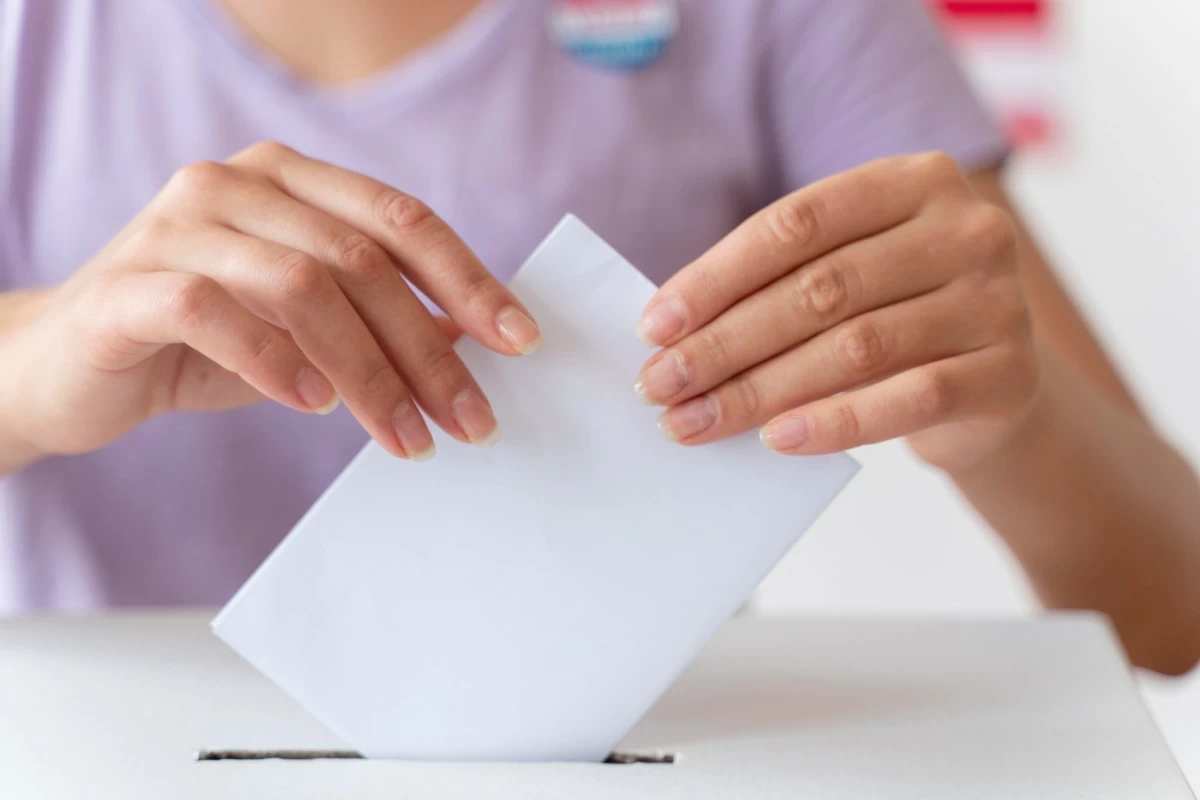
As an academic and a physician, I try to stay out of the soap opera that is Philippine politics. I am happy to see senators such as Sen. Pia Cayetano and Sen. Bong Go, who make the health sector their priority, get re-elected, as well as Sen. Bam Aquino, whom I have worked with in amending the Magna Carta for Scientists. As a government employee of the University of the Philippines, however, I do not campaign for anyone. I do tell people that my political inclination is moderate, which means I don’t support any single political party and will vote for who I think will be of service to the Filipino, regardless of ideology. It seems a lot of people may have thought this way during this election cycle because the winners are all over the political spectrum. Perhaps it is one way to ensure there are checks and balances against any single dominant party or coalition that might be tempted to abuse power without a meaningful opposition in place. Nevertheless, there is a risk that even good agendas can be derailed by too much infighting. A good bipartisan balance is what is needed to ensure accountability and transparency.
I’m sure not everyone agrees with me, especially die-hards from different camps. Therefore, rather than continuing fruitless arguments, let’s look at ways that we can stay healthier and de-stress after so much excitement.
Don’t take it personally
While some seek to turn every single political difference into an argument, it isn’t worth sacrificing your relationships for any politician. Even politicians know this. Most political families are good friends with each other despite their ideological differences, and some have blood ties. This is easy enough to see. For instance, former President Corazon Aquino was the first cousin of Danding Cojuangco, who was considered a Marcos loyalist. First Lady Liza Marcos is an Araneta, a family that staunchly supports the Aquinos and the Liberal Party. A lot of politicians’ kids go to the same schools, and they are friends even if their families are on opposite sides of political rivalries. Most recently, Sen. Imee Marcos seemingly turned against her own family to support Vice President Sara Duterte. Make no mistake, even if they are ideologically opposed, these politicians run in the same circles and will always treat each other the same way they always have, as friends or family. It is truly ridiculous to make lifelong enemies on behalf of your political idol when they don’t even know who you are, and they are probably friends with the person you are vilifying. Don’t be an unpaid troll, not that a paid troll is any better, and don’t ruin your relationships over petty political differences.
Be fair and check your facts
Those juicy rumors that politician A stole this much money or had an affair with this actress who is married to politician B? These certainly have a lot of entertainment value, but are they true? Is there irrefutable evidence? Or is it just black propaganda? Among the most susceptible to fake news and the most likely to share it are the die-hard supporters of a politician, especially when it is something negative about their political rival. If you share these damaging tidbits without fact-checking, you can be liable for cyber libel and can go to jail. This has happened to many supporters who find themselves on the hook for huge fines or even facing jail time for their extreme loyalty to their preferred politician.
Don’t go after people for their electoral choices
The right to vote is enshrined in the Constitution, and no one is obliged to explain their vote to anyone. Perhaps some of the most irritating anecdotes from the previous presidential election were the supporters of one party asking people, “Explain why you are jeopardizing my children’s future with your vote?” Another one used the arrogant statement, “Let me educate you.” Even the politicians of that party cautioned against this kind of campaign as it is negative and turns people off. There were fewer instances of this kind of behavior in this election, although there are still some self-entitled people who demand that voters explain their votes. This will never help your candidate win and will jeopardize their future chances of election. And it’s just downright annoying and stressful.
Understand that politicians are people too, and they need to survive
Politics is addition. Most especially in collegial bodies like the House of Representatives and the Senate, consensus is needed to make major decisions. Do not expect your candidates to hew to the party line 100 percent of the time. They might even switch parties if the dynamics change. A politician who does not know how to negotiate and compromise will be dead in the water and will not be able to accomplish anything. Sometimes this entails cutting deals with people with the opposite ideology or sacrificing some part of your agenda to get the more important items into play. During the pandemic, many opposition politicians set aside their differences when it came to supporting the pandemic response. Few politicians who engaged in grandstanding were punished by the electorate in the next elections and did not get reelected. The business of governing is tough and is not for the faint of heart. As long as you believe your candidates have the country’s best interests at heart, you will just have to trust them to make the right decisions. If they do not, then don’t vote for them in the next election.
Take a break
If the outcome of the elections still upsets you, take a break. Either go on vacation or just step away from social media and refrain from reading articles about the election results in general. Sometimes the brain needs to reset, and getting away from it all is the fastest way to move on. The great thing about elections is that there is always the next one, and maybe your candidate will finally win! In the meantime, stay healthy and make sure you are in good shape the next time you exercise your right to vote.