






Campus journalism is a training ground for aspiring student writers. It’s a field that requires research and investigative skills, patience, and the courage to seek and share the truth through writing. But it’s not just about putting ink on paper. It is a powerful platform where unspoken thoughts can finally be heard—loud and clear—for everyone to take notice.
Manila Bulletin
 Lifestyle
Schools and Universities
A campus journalist reflects on truth-telling and the drive to keep writing in the AI era
Lifestyle
Schools and Universities
A campus journalist reflects on truth-telling and the drive to keep writing in the AI era
Lifestyle
Schools and Universities
A campus journalist reflects on truth-telling and the drive to keep writing in the AI era
A campus journalist reflects on truth-telling and the drive to keep writing in the AI era
Youth will write
By MB Lifestyle
Published May 19, 2025 05:07 am


By Jayke Brylle E. Balanrayos
I remember my fifth-grade English teacher asking me to represent our school in a journalism contest. Being the eager learner I was, I saw it as another opportunity to explore a new field, so I said yes. That moment marked the beginning of my journey as a campus journalist.
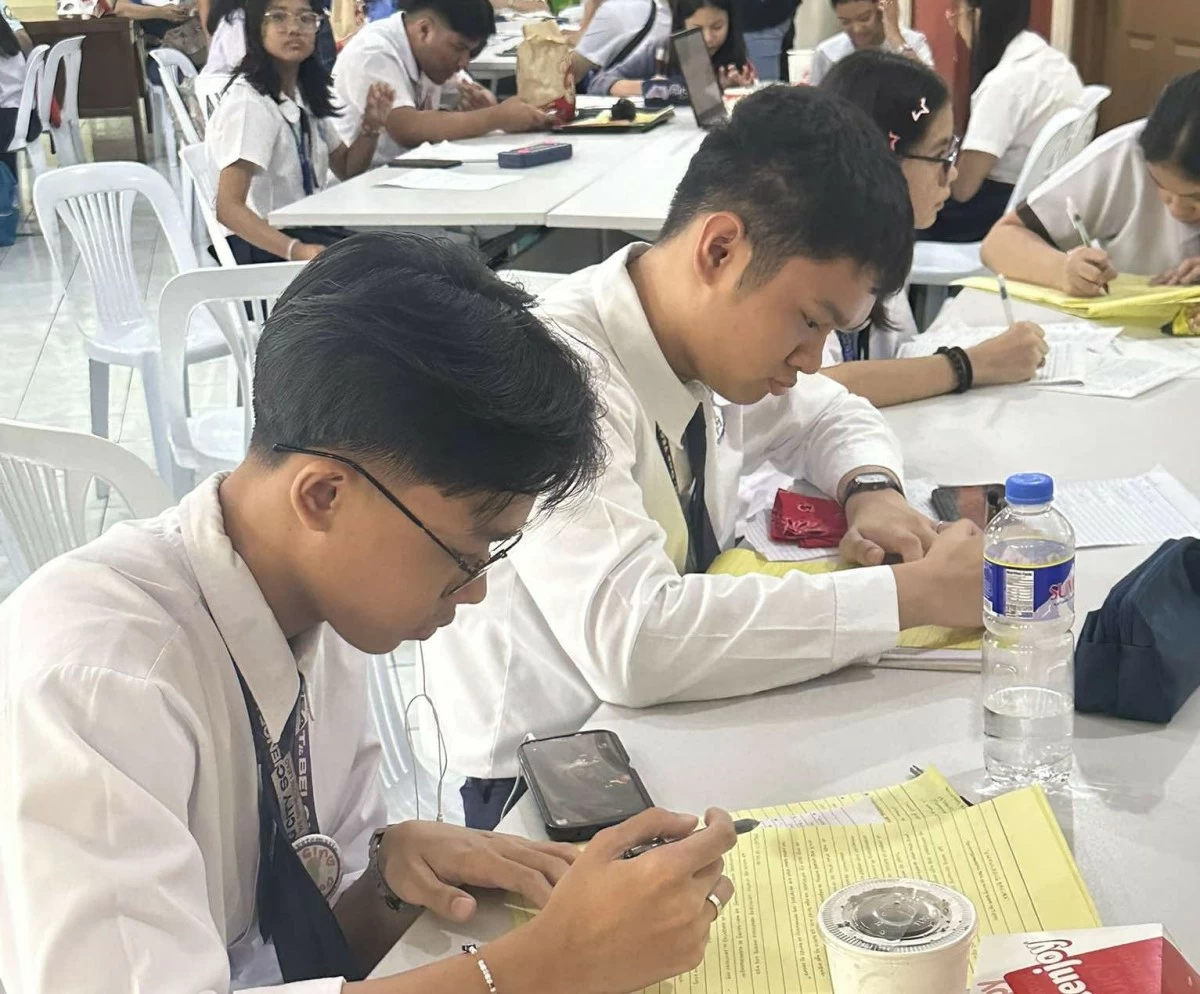
DIGGING DEEPER Campus journalists undergo training to hone their writing.
What followed was a whirlwind of intensive training, tearful practices, aching hands, and hectic schedules, all of which became worth it. After that contest, I went home with three medals from three different writing categories, each one reflecting the spark that had ignited within me—to write more stories and become an official campus journalist.
In the years that followed, I grew to understand the real purpose of campus journalism—to be an amplifier for unheard voices. It’s not just about covering major issues, but also shedding light on small, overlooked, and sometimes intentionally hidden matters that deeply affect people where they live, study, and work.
Whether through printed pages or digital posts, the work of campus journalists informs not just fellow students, but also school staff, administrators, faculty, and other stakeholders. We help shape awareness and conversations within our communities.
Losing ink
Now, as the feature editor of our school paper, I help craft stories that are light and entertaining, but I can’t ignore the heavier truth. I observe that campus journalism today is facing a quiet decline in the age of artificial intelligence (AI). Fewer students are interested in writing, and many readers have grown indifferent to published articles.
A lot of young people have the potential to write at a journalistic level. Sometimes, they just need a little nudge. But many still hesitate. Some are disinterested, drawn instead to other more “promising” career paths. Others are held back by the belief that journalism is all about stressful deadlines and endless drafts—never seeing the laughter and creative energy that fill our brainstorming sessions, the thrill of covering events, and seeing your name in print.
Then there are those who are simply afraid. They know the risks that come with the job. In recent years, members of the media have faced threats, harassment, and even violence for reporting the truth. For many students, the path of a journalist now comes with a flashing “danger” sign.
A rising repl(AI)cement
Even when we do succeed in publishing our articles, it can be disheartening when readers don’t bother to read them. In a world that moves so fast, writing has become “boring” for some. They say it’s a pastime instead of a priority.
While I dig deep into my mind to craft a heartfelt essay, some of my classmates just type a prompt into an AI tool, tweak the output with another AI app, and produce something that’s grammatically perfect within seconds.
This shift has changed how people view journalism. Because AI can now generate similar content instantly, many forget the value of human storytelling—how real journalists bring depth, nuance, and lived experience into every sentence. AI might replicate language, but it can't replicate context, emotion, or truth.
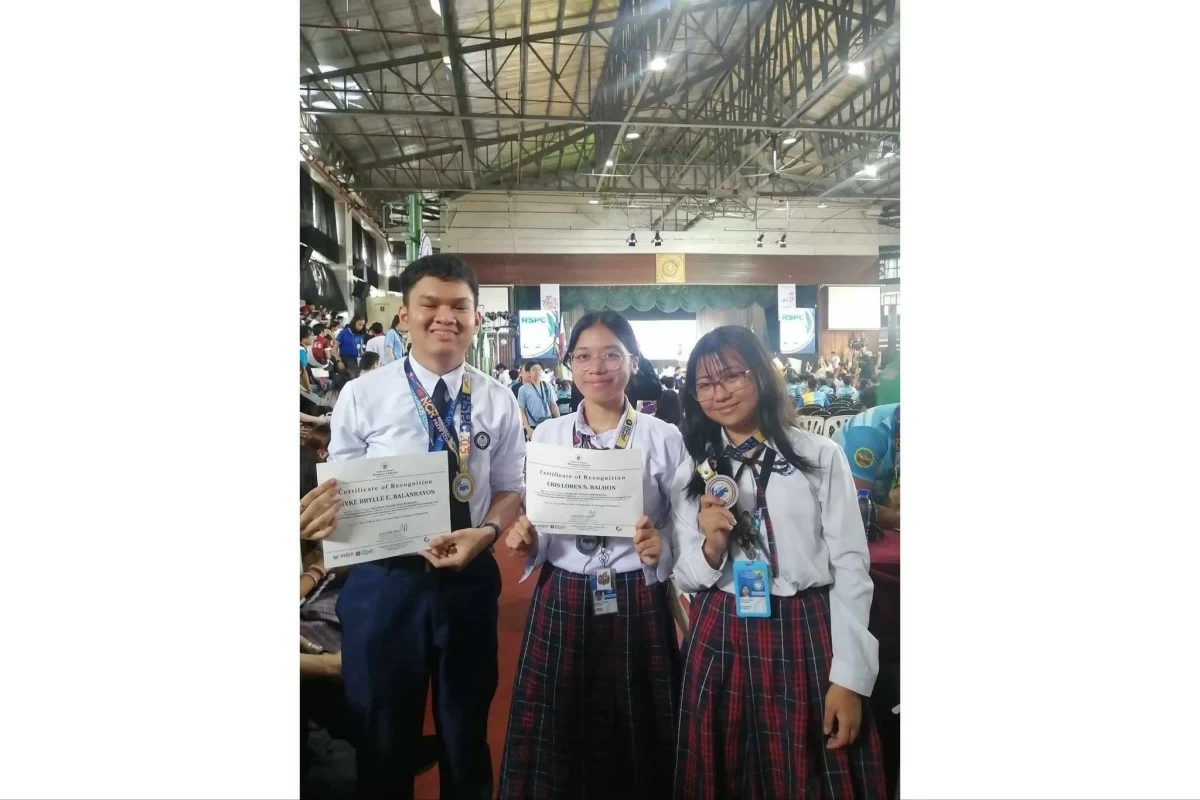
PEN, PASSION, AND POWER The author (leftmost) won first in the Feature Writing category of the NCR RSPC 2025.
In(k)delible passion
The world is moving very fast, but speed alone can’t deliver truth, empathy, or insight.
Thankfully, we campus journalists are not giving up. A near-decline doesn’t mean the end. It’s simply a challenge to rise again.
Even in a sea of apathy, there are still students who want to read, listen, and engage. Some even want to write alongside us and to become part of this movement we call “campus journalism.”
Yes, preferences are changing, and the digital age has transformed everything. But as long as there are stories worth telling, voices worth hearing, and truths worth fighting for, we will keep writing. We are the young journalists who write to speak louder—for the people, for the truth.
The author is a Grade 12 student and campus journalist from Pasig City Science High School. He began his journey as a sports writer in elementary and shifted to feature writing in high school. He is currently the feature editor of Scire, the school’s official English publication. In 2025, he won first place in Feature Writing during the Regional Schools Press Conference and is part of the NCR team competing in the 2025 National Schools Press Conference in Vigan.