

ADVERTISEMENT

Yaris heritage with hybrid power

Toyota Yaris Cross 1.5 S HEV

Published May 16, 2025 03:26 am

At A Glance

  • The Yaris Cross 1.5 S HEV  lives up to the original Yaris hatchback pedigree, but there is room for improvement in other aspects.
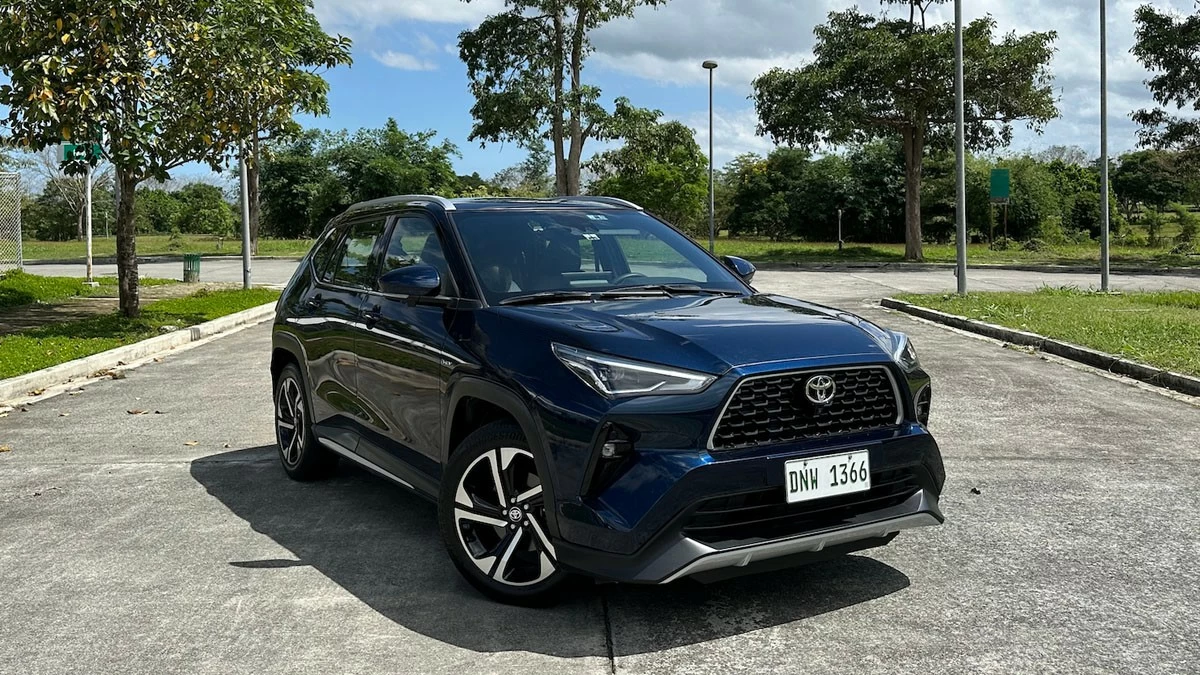
Does this electrified crossover live up to the Yaris pedigree? To answer the question, yes, in plenty of ways, but there is room for improvement in other aspects. Before we get into the nitty-gritty of things, let me lay the background of the Yaris and the Yaris Cross.

After 16 years in the market, TMP (Toyota Motor Philippines) ditched the Yaris hatchback based on Toyota’s EFC platform (shared with the Vios and the JDM model Etios) in favor of the Daihatsu platform-based Yaris Cross to address the high demand for affordable subcompact crossovers in the Philippines.

The Yaris Cross 1.5 S HEV (Hybrid Electric Vehicle) arrived two years ago — along with two other non-hybrid grades. It was competitively priced and immediately addressed TMP’s need for an electrified model in this fast-moving segment.

As the range-topping variant, the S HEV has some of the best inside and out features. The Dark Turquoise SE/Attitude Black Mica two-tone exterior color makes the front fascia appear more angular than it really is with the play of light and shadows. As the photos show, its stance looks aggressive partly because of the wraparound body cladding and the front and rear underbody garnish. It has all-LED lighting (the four-position auto on/off headlamps, daytime running lamps, clearance lamps, front fog lamps, high-mount stop lamp, and the rear combination lamps).
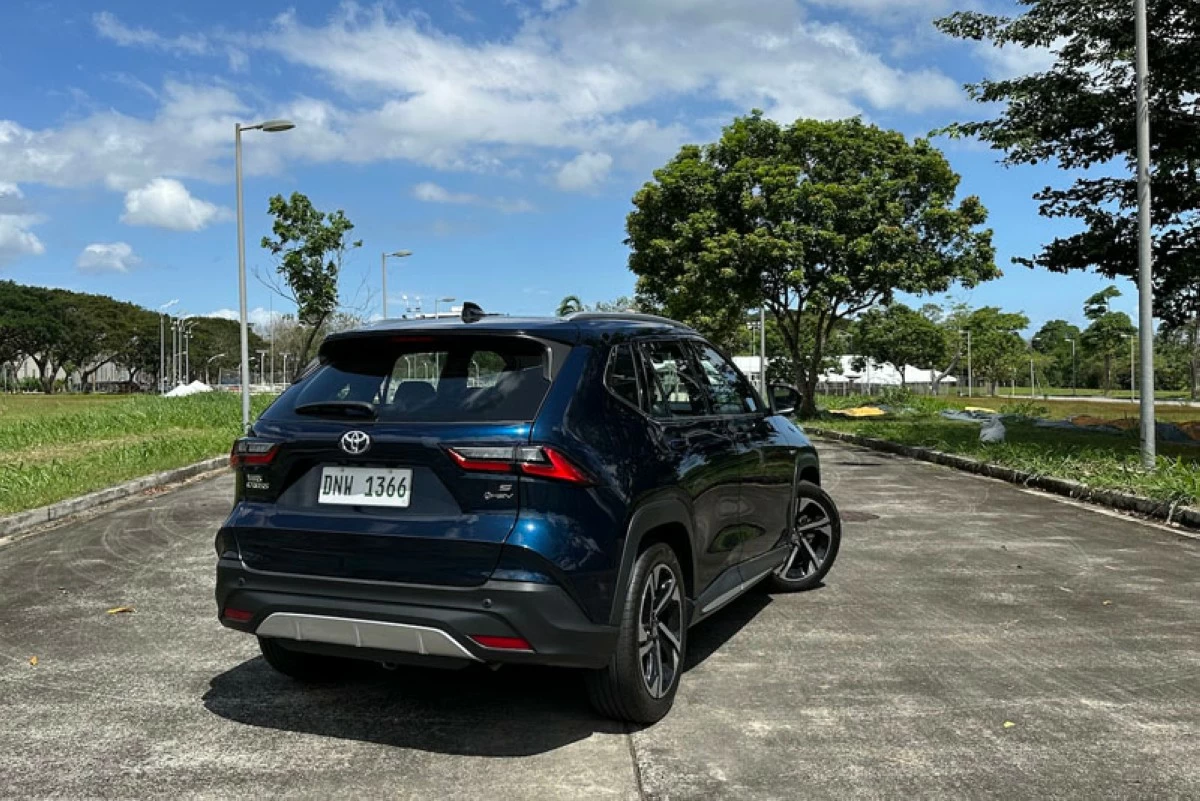
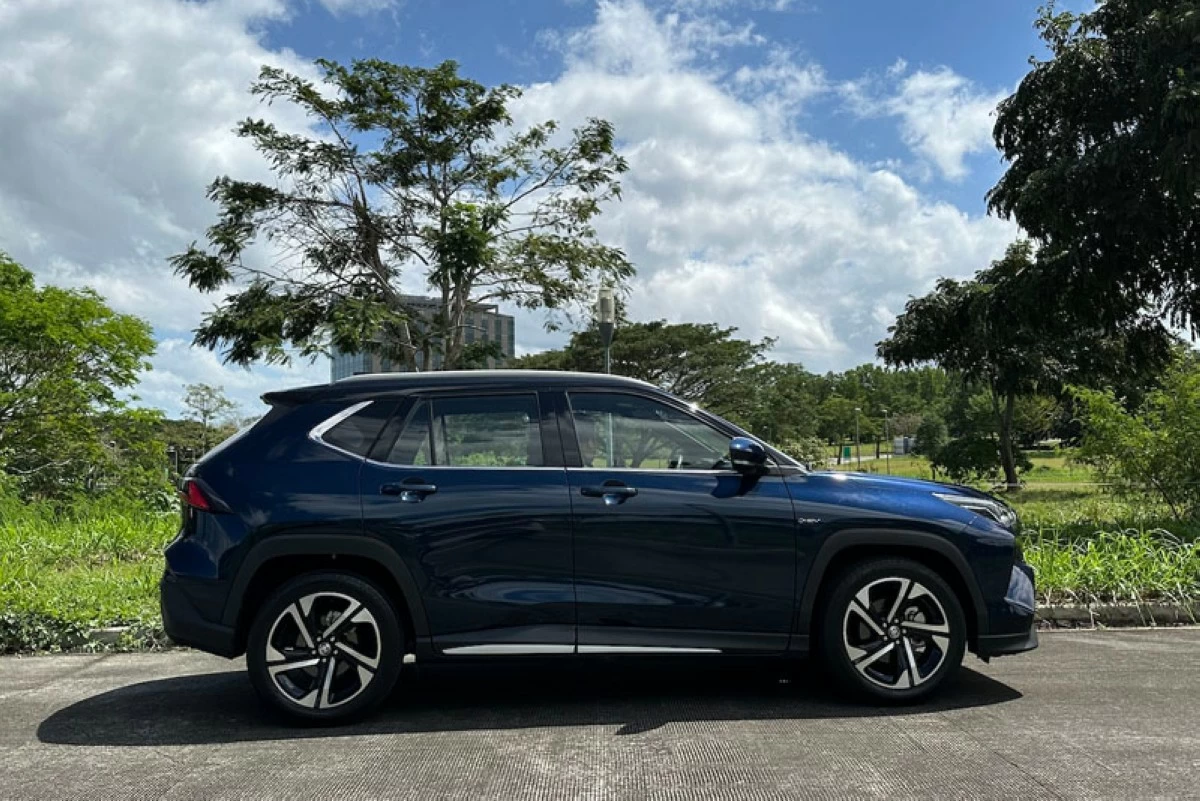
A power tailgate (with a kick sensor) and roof rails are standard. If the storage compartment isn’t enough, owners can put more cargo on topside with the right equipment. Its only exclusive feature is a panoramic sunroof.

Without a doubt, this S HEV is attractive. The body style, color, shape, and setup work together to satisfy the need of buyers for a vehicle with good ground clearance, sporty aesthetics, and a highly functional body. It also helps that it sits on stylish 18-inch alloy wheels with 215/55 tires.

I was surprised that, unlike other Toyotas, reaching for the door handle with the keyfob on your person doesn’t unlock the doors. The stripes on the handle had to be swiped to unlock/lock the vehicle. At least it had a Push-Start button.
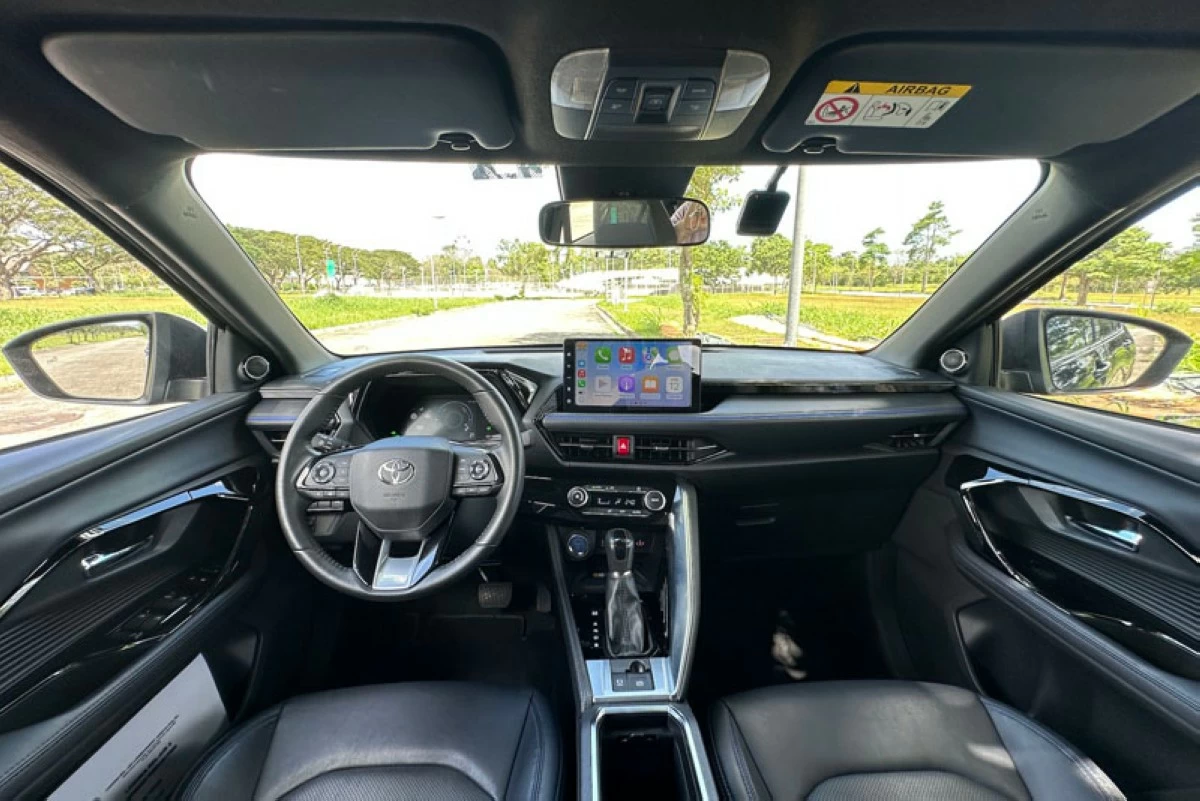
The cabin isn’t compact because neither is the body, to be honest. The S HEV feels big for its segment, and the cabin reflects that. The cockpit has a busy look with angular features and several layers finished by a flat top. On top of the center stack, sitting on a soft-touch stitched surface with blue trim, is a 10.1-inch vibrant infotainment touchscreen.
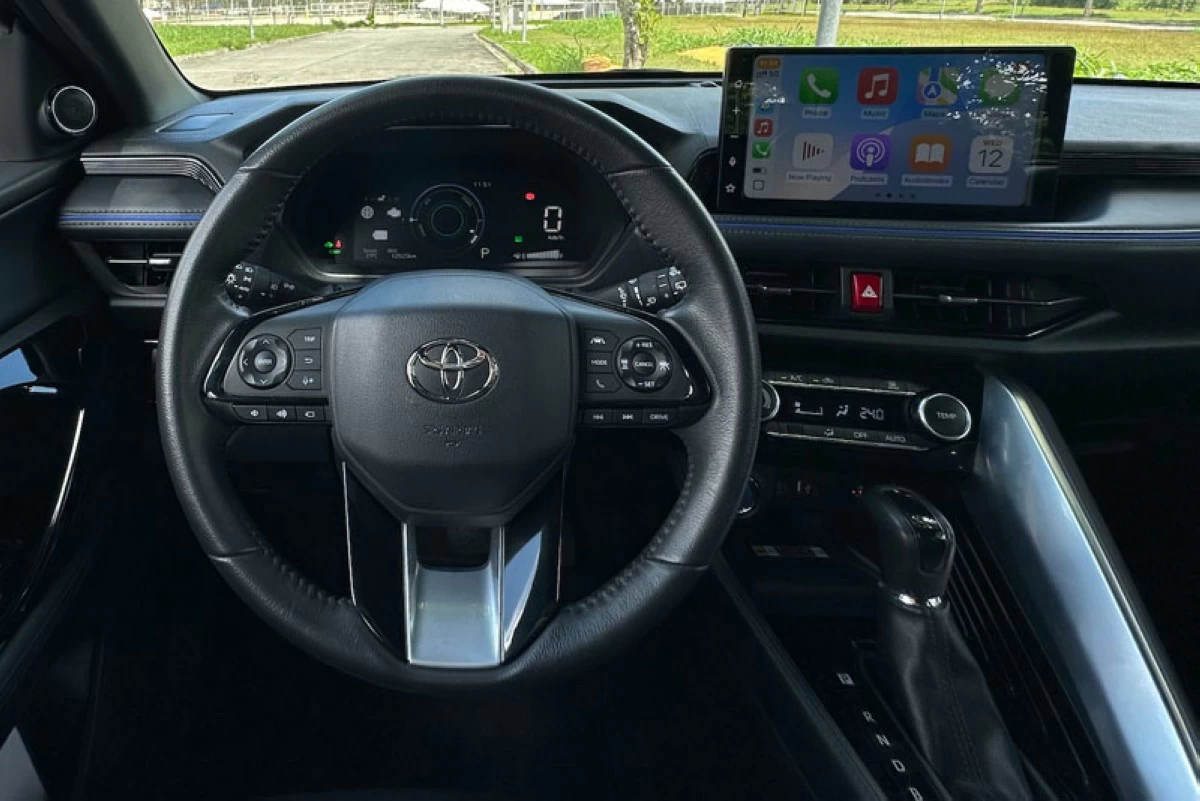
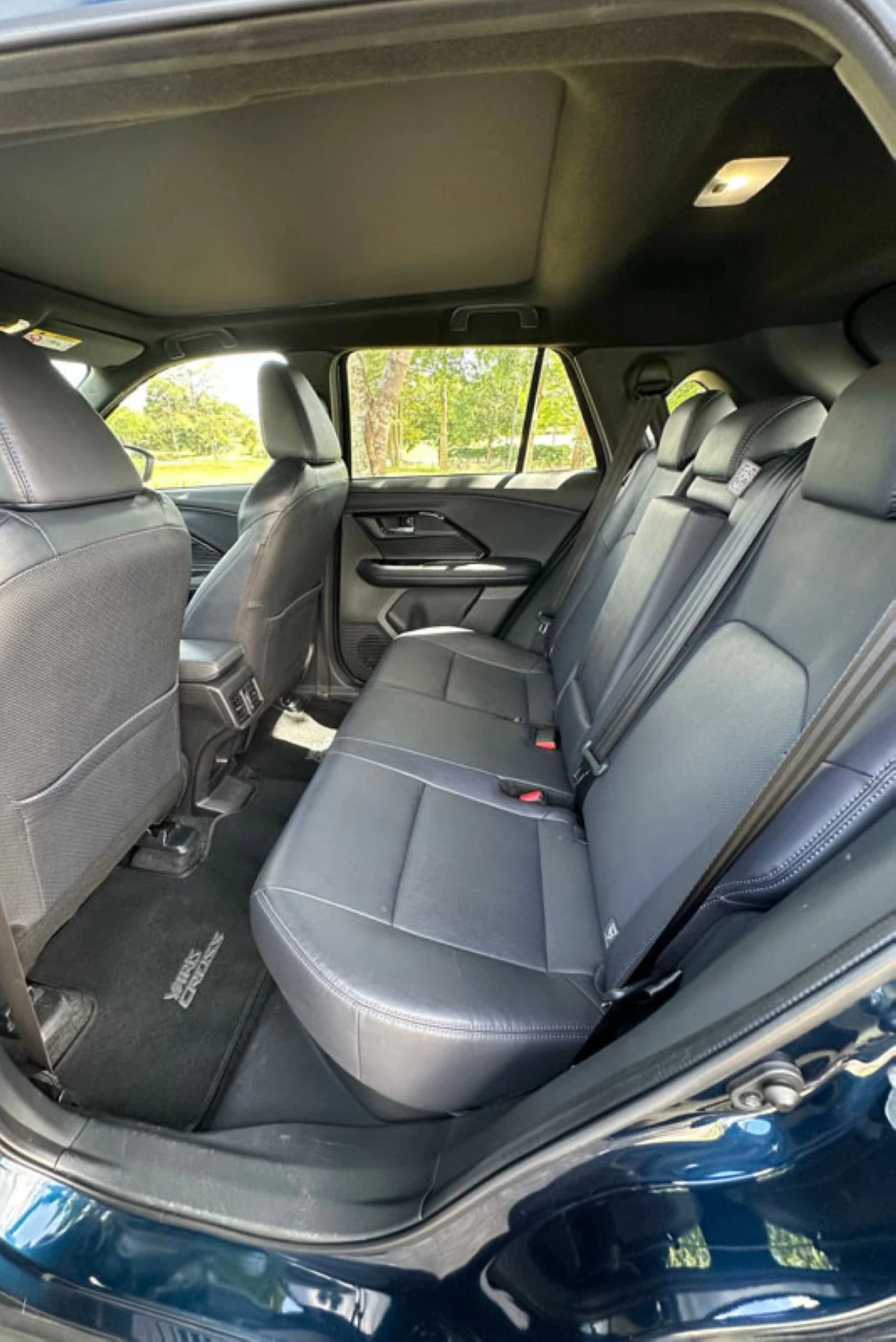
It uses wireless Apple CarPlay, wireless Android Auto, and Bluetooth to stream audio to a six-speaker Pioneer system. Behind the leather-wrapped multi-function steering wheel is a seven-inch TFT multi-information display that needs more updated graphics but shows pertinent data, including the hybrid drive cycle. It has synthetic leather power-adjustable seats, piano-black accents on the door panels, rear air vents, USB ports (Type-A and Type-C in front and two Type-Cs at the rear), and a drop-down center armrest in the second row.

The cabin does not do a good job of filtering outside noise (from the road and engine), and while the doors shut firmly with every swing, there’s a bit of clatter as it closes, quite unlike the Yaris hatch with the EFC platform. Also, I couldn’t get the wireless charger to work on my iPhone.

What will make you want one, though, is the hybrid four-cylinder powertrain that sends 111-PS and 121-Nm of torque to the front wheels via a CVT. At over 2,000 RPM, the engine revs noisily, but it delivers enough to overtake smoothly and maintain maximum speed on the highway. Over seven days and in mixed driving conditions, it returned 22.7 km/l.
The second best feature of the S HEV is the Toyota Safety Sense driver-assist suite on top of a blind-spot monitor and a rear-cross traffic alert system. Also standard is vehicle stability control, hill-start assist, a panoramic view camera, and clearance/back sonar.

Handling is light and loose. The first one is ok, especially around traffic, but the second one has to be tightened to make highway driving sportier. Ride comfort is acceptable, but as mentioned, NVH levels must be better in the second-gen model.

At P1.604 million, the Toyota Yaris Cross 1.5 S HEV is a tad pricier than other top variants in the segment. Still, it is as generously appointed (maybe even more) with advanced and modern amenities/equipment. The hybrid system makes it better than its progenitor but is not yet as refined as the Yaris.

ADVERTISEMENT
.most-popular .layout-ratio{ padding-bottom: 79.13%; } @media (min-width: 768px) and (max-width: 1024px) { .widget-title { font-size: 15px !important; } }

{{ articles_filter_1561_widget.title }}

.most-popular .layout-ratio{ padding-bottom: 79.13%; } @media (min-width: 768px) and (max-width: 1024px) { .widget-title { font-size: 15px !important; } }

{{ articles_filter_1562_widget.title }}

.most-popular .layout-ratio{ padding-bottom: 79.13%; } @media (min-width: 768px) and (max-width: 1024px) { .widget-title { font-size: 15px !important; } }

{{ articles_filter_1563_widget.title }}

{{ articles_filter_1564_widget.title }}

.mb-article-details { position: relative; } .mb-article-details .article-body-preview, .mb-article-details .article-body-summary{ font-size: 17px; line-height: 30px; font-family: "Libre Caslon Text", serif; color: #000; } .mb-article-details .article-body-preview iframe , .mb-article-details .article-body-summary iframe{ width: 100%; margin: auto; } .read-more-background { background: linear-gradient(180deg, color(display-p3 1.000 1.000 1.000 / 0) 13.75%, color(display-p3 1.000 1.000 1.000 / 0.8) 30.79%, color(display-p3 1.000 1.000 1.000) 72.5%); position: absolute; height: 200px; width: 100%; bottom: 0; display: flex; justify-content: center; align-items: center; padding: 0; } .read-more-background a{ color: #000; } .read-more-btn { padding: 17px 45px; font-family: Inter; font-weight: 700; font-size: 18px; line-height: 16px; text-align: center; vertical-align: middle; border: 1px solid black; background-color: white; } .hidden { display: none; }
function initializeAllSwipers() { // Get all hidden inputs with cms_article_id document.querySelectorAll('[id^="cms_article_id_"]').forEach(function (input) { const cmsArticleId = input.value; const articleSelector = '#article-' + cmsArticleId + ' .body_images'; const swiperElement = document.querySelector(articleSelector); if (swiperElement && !swiperElement.classList.contains('swiper-initialized')) { new Swiper(articleSelector, { loop: true, pagination: false, navigation: { nextEl: '#article-' + cmsArticleId + ' .swiper-button-next', prevEl: '#article-' + cmsArticleId + ' .swiper-button-prev', }, }); } }); } setTimeout(initializeAllSwipers, 3000); const intersectionObserver = new IntersectionObserver( (entries) => { entries.forEach((entry) => { if (entry.isIntersecting) { const newUrl = entry.target.getAttribute("data-url"); if (newUrl) { history.pushState(null, null, newUrl); let article = entry.target; // Extract metadata const author = article.querySelector('.author-section').textContent.replace('By', '').trim(); const section = article.querySelector('.section-info ').textContent.replace(' ', ' '); const title = article.querySelector('.article-title h1').textContent; // Parse URL for Chartbeat path format const parsedUrl = new URL(newUrl, window.location.origin); const cleanUrl = parsedUrl.host + parsedUrl.pathname; // Update Chartbeat configuration if (typeof window._sf_async_config !== 'undefined') { window._sf_async_config.path = cleanUrl; window._sf_async_config.sections = section; window._sf_async_config.authors = author; } // Track virtual page view with Chartbeat if (typeof pSUPERFLY !== 'undefined' && typeof pSUPERFLY.virtualPage === 'function') { try { pSUPERFLY.virtualPage({ path: cleanUrl, title: title, sections: section, authors: author }); } catch (error) { console.error('ping error', error); } } // Optional: Update document title if (title && title !== document.title) { document.title = title; } } } }); }, { threshold: 0.1 } ); function showArticleBody(button) { const article = button.closest("article"); const summary = article.querySelector(".article-body-summary"); const body = article.querySelector(".article-body-preview"); const readMoreSection = article.querySelector(".read-more-background"); // Hide summary and read-more section summary.style.display = "none"; readMoreSection.style.display = "none"; // Show the full article body body.classList.remove("hidden"); } document.addEventListener("DOMContentLoaded", () => { let loadCount = 0; // Track how many times articles are loaded const offset = [1, 2, 3, 4, 5, 6, 7, 8, 9, 10]; // Offset values const currentUrl = window.location.pathname.substring(1); let isLoading = false; // Prevent multiple calls if (!currentUrl) { console.log("Current URL is invalid."); return; } const sentinel = document.getElementById("load-more-sentinel"); if (!sentinel) { console.log("Sentinel element not found."); return; } function isSentinelVisible() { const rect = sentinel.getBoundingClientRect(); return ( rect.top < window.innerHeight && rect.bottom >= 0 ); } function onScroll() { if (isLoading) return; if (isSentinelVisible()) { if (loadCount >= offset.length) { console.log("Maximum load attempts reached."); window.removeEventListener("scroll", onScroll); return; } isLoading = true; const currentOffset = offset[loadCount]; window.loadMoreItems().then(() => { let article = document.querySelector('#widget_1690 > div:nth-last-of-type(2) article'); intersectionObserver.observe(article) loadCount++; }).catch(error => { console.error("Error loading more items:", error); }).finally(() => { isLoading = false; }); } } window.addEventListener("scroll", onScroll); });

Sign up by email to receive news.