ADVERTISEMENT

The need for a Transport Safety Investigation Group

Published May 16, 2025 12:05 am  |  Updated May 15, 2025 05:33 pm

EDITOR’S DESK

The past month has been quite horrific for transport safety with several high-profile incidents making the news.

Most have likely heard of the horrific accidents at SCTEX and NAIA terminal 1, both of which claimed multiple lives, with children sadly among those casualties.

Immediately following the accident, social media pored over the incidents, presenting their own theories over what caused the accidents. Some assigned blame to the drivers, some to the infrastructure. Yet regardless of what was blamed, can we really be sure addressing one or the other can prevent similar accidents in the future?

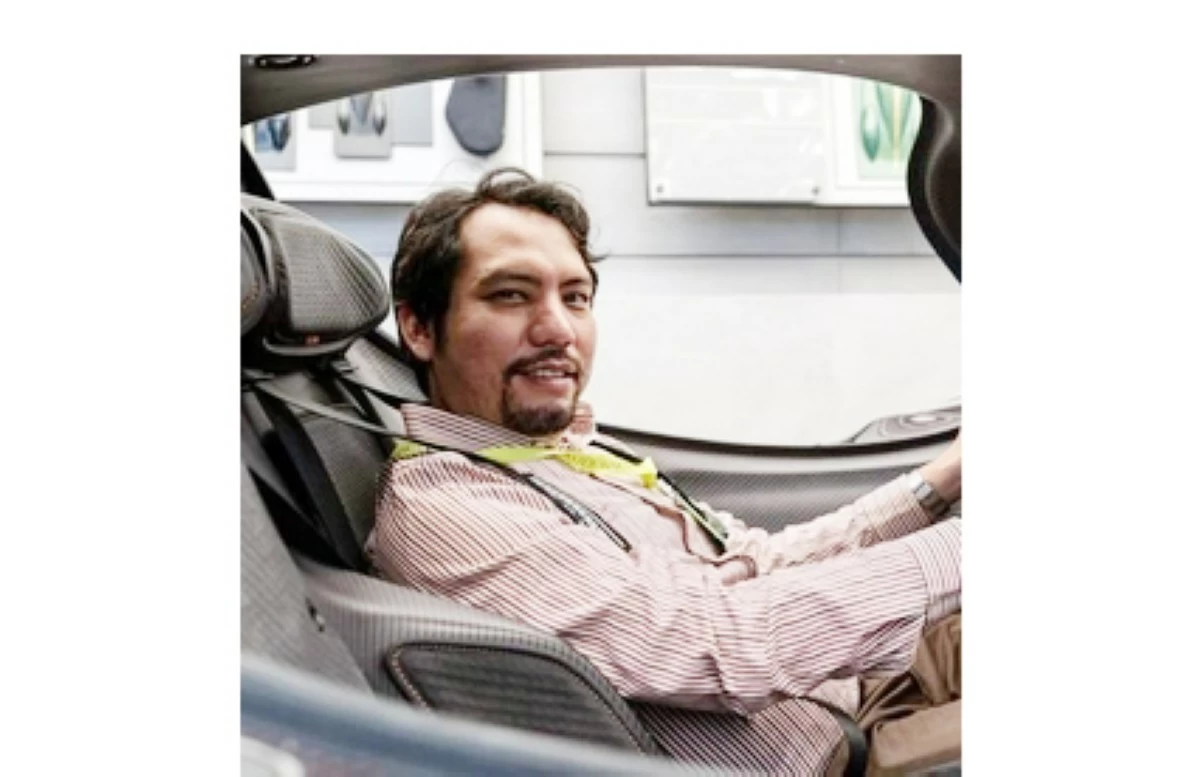
I’ve recently chatted with a very vocal road safety advocate over the recent events to get his opinion regarding the incidents. Atty. Robby Consunji, a Trustee and Chairperson of Government Liaison Committee of the Automobile Association Philippines (AAP) has been advocating for the creation of a Transport Safety Investigation Group.

Modeled after the American National Transportation Safety Board (NTSB), this group could serve as an independent government agency charged with investigating high-profile vehicular accidents in the country.

Atty. Consunji says such a group could be deployed to serious accidents such as the recent two and conduct thorough investigations to determine the causes of such incidents. Being an independent body allows this group to focus solely on accident investigation. This group of professionals must have specialized knowledge to forensically analyze accident scenes.

Much like the PNP has the CSI-inspired SOCO (Scene Of the Crime Operatives), the Transport Safety Investigation Group’s sole purpose is to investigate and produce unbiased and objective reports about the incidents. Because of the specialized role, the team can be specifically trained in the necessary skills needed to investigate. This includes gathering evidence, interrogating witnesses and those involved in the crash, as well as any other parties or infrastructure that may have contributed to the incident. As such, it’s important their team is provided with the right tools as well, such as field equipment and a lab if needed to properly analyze evidence.

In addition, this frees up the concerned law enforcement parties to simply secure the scene, manage traffic around the area, and assist with the cleanup operations.

Granted, having such a specialized team is not a guarantee of quicker results. If ever, their more thorough approach will probably take longer than a typical investigation conducted by the current law enforcement. However, their reports will undoubtedly yield more valuable insight into the causes of these accidents, and aid the concerned parties in coming up with solutions to avoid such incidents.

It’s easy to look into the past two cases and jump to conclusions and quick-fix solutions, but whether these answers will prevent future accidents is still anyone’s guess. Sure, reducing a bus driver’s hours will likely reduce the likelihood of falling asleep at the wheel. Yet was the fatigue a result of his work hours or his medications? As for the airport accident, better bollards or re-configuring the drop off can certainly reduce the likelihood of an incident, yet will it prevent unintentional vehicle acceleration? We still don’t know why the driver lost control of the vehicle in the first place.

It all boils down to the amount of data collected and how it’s processed that will lead to safer roads. At present, we have several statistics on vehicle accidents, as well as accident-related injuries and death. Yet with little data beyond “car, SUV, motorcycle, bus” scribbled on these reports, analyzing these accidents and determining a course of action to prevent them is as scientific as throwing rocks into a pond.

This lack of any useful data is why we have such ridiculous dragnet laws as an outright ban of riding in tandem in one city. Yes, it solves the problem, but does it really address the root of it? If that’s our government’s approach, we might as well impose a 40 km/h speed limit across the country, even on highways. After all, with the little data we have, it appears that speed is the greatest contributing factor to accidents.

I certainly wouldn’t want to live in a country with such myopic laws. A proper Transport Safety Investigation Group can help find the real causes of these accidents and help us come up with smarter solutions.

ADVERTISEMENT
.most-popular .layout-ratio{ padding-bottom: 79.13%; } @media (min-width: 768px) and (max-width: 1024px) { .widget-title { font-size: 15px !important; } }

{{ articles_filter_1561_widget.title }}

.most-popular .layout-ratio{ padding-bottom: 79.13%; } @media (min-width: 768px) and (max-width: 1024px) { .widget-title { font-size: 15px !important; } }

{{ articles_filter_1562_widget.title }}

.most-popular .layout-ratio{ padding-bottom: 79.13%; } @media (min-width: 768px) and (max-width: 1024px) { .widget-title { font-size: 15px !important; } }

{{ articles_filter_1563_widget.title }}

{{ articles_filter_1564_widget.title }}

.mb-article-details { position: relative; } .mb-article-details .article-body-preview, .mb-article-details .article-body-summary{ font-size: 17px; line-height: 30px; font-family: "Libre Caslon Text", serif; color: #000; } .mb-article-details .article-body-preview iframe , .mb-article-details .article-body-summary iframe{ width: 100%; margin: auto; } .read-more-background { background: linear-gradient(180deg, color(display-p3 1.000 1.000 1.000 / 0) 13.75%, color(display-p3 1.000 1.000 1.000 / 0.8) 30.79%, color(display-p3 1.000 1.000 1.000) 72.5%); position: absolute; height: 200px; width: 100%; bottom: 0; display: flex; justify-content: center; align-items: center; padding: 0; } .read-more-background a{ color: #000; } .read-more-btn { padding: 17px 45px; font-family: Inter; font-weight: 700; font-size: 18px; line-height: 16px; text-align: center; vertical-align: middle; border: 1px solid black; background-color: white; } .hidden { display: none; }
function initializeAllSwipers() { // Get all hidden inputs with cms_article_id document.querySelectorAll('[id^="cms_article_id_"]').forEach(function (input) { const cmsArticleId = input.value; const articleSelector = '#article-' + cmsArticleId + ' .body_images'; const swiperElement = document.querySelector(articleSelector); if (swiperElement && !swiperElement.classList.contains('swiper-initialized')) { new Swiper(articleSelector, { loop: true, pagination: false, navigation: { nextEl: '#article-' + cmsArticleId + ' .swiper-button-next', prevEl: '#article-' + cmsArticleId + ' .swiper-button-prev', }, }); } }); } setTimeout(initializeAllSwipers, 3000); const intersectionObserver = new IntersectionObserver( (entries) => { entries.forEach((entry) => { if (entry.isIntersecting) { const newUrl = entry.target.getAttribute("data-url"); if (newUrl) { history.pushState(null, null, newUrl); let article = entry.target; // Extract metadata const author = article.querySelector('.author-section').textContent.replace('By', '').trim(); const section = article.querySelector('.section-info ').textContent.replace(' ', ' '); const title = article.querySelector('.article-title h1').textContent; // Parse URL for Chartbeat path format const parsedUrl = new URL(newUrl, window.location.origin); const cleanUrl = parsedUrl.host + parsedUrl.pathname; // Update Chartbeat configuration if (typeof window._sf_async_config !== 'undefined') { window._sf_async_config.path = cleanUrl; window._sf_async_config.sections = section; window._sf_async_config.authors = author; } // Track virtual page view with Chartbeat if (typeof pSUPERFLY !== 'undefined' && typeof pSUPERFLY.virtualPage === 'function') { try { pSUPERFLY.virtualPage({ path: cleanUrl, title: title, sections: section, authors: author }); } catch (error) { console.error('ping error', error); } } // Optional: Update document title if (title && title !== document.title) { document.title = title; } } } }); }, { threshold: 0.1 } ); function showArticleBody(button) { const article = button.closest("article"); const summary = article.querySelector(".article-body-summary"); const body = article.querySelector(".article-body-preview"); const readMoreSection = article.querySelector(".read-more-background"); // Hide summary and read-more section summary.style.display = "none"; readMoreSection.style.display = "none"; // Show the full article body body.classList.remove("hidden"); } document.addEventListener("DOMContentLoaded", () => { let loadCount = 0; // Track how many times articles are loaded const offset = [1, 2, 3, 4, 5, 6, 7, 8, 9, 10]; // Offset values const currentUrl = window.location.pathname.substring(1); let isLoading = false; // Prevent multiple calls if (!currentUrl) { console.log("Current URL is invalid."); return; } const sentinel = document.getElementById("load-more-sentinel"); if (!sentinel) { console.log("Sentinel element not found."); return; } function isSentinelVisible() { const rect = sentinel.getBoundingClientRect(); return ( rect.top < window.innerHeight && rect.bottom >= 0 ); } function onScroll() { if (isLoading) return; if (isSentinelVisible()) { if (loadCount >= offset.length) { console.log("Maximum load attempts reached."); window.removeEventListener("scroll", onScroll); return; } isLoading = true; const currentOffset = offset[loadCount]; window.loadMoreItems().then(() => { let article = document.querySelector('#widget_1690 > div:nth-last-of-type(2) article'); intersectionObserver.observe(article) loadCount++; }).catch(error => { console.error("Error loading more items:", error); }).finally(() => { isLoading = false; }); } } window.addEventListener("scroll", onScroll); });

Sign up by email to receive news.