







Pork MSRP scrapping requested by industry players, says Laurel


At A Glance
- In an interview on Thursday, May 15, Agriculture Secretary Francisco Tiu Laurel said the industry is struggling to comply with the pork limit because of the current shortage in swine production due to the impact of African swine fever (ASF).
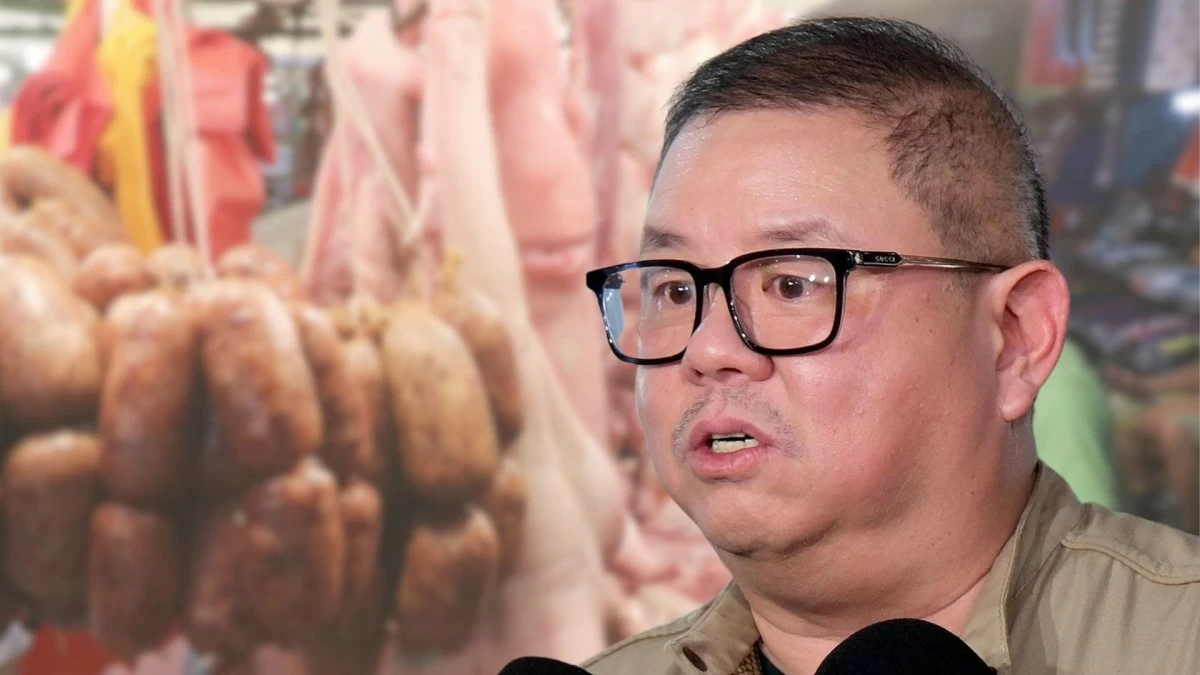
Department of Agriculture (DA) Secretary Francisco Tiu Laurel said the pork industry requested the withdrawal of the maximum suggested retail price (MSRP) on pork amid challenges in compliance.
In an interview on Thursday, May 15, Laurel said the industry is struggling to comply with the pork limit because of the current shortage in swine production due to the impact of African swine fever (ASF).
He said the strong consumer demand in recent months, particularly during the election period, made it difficult for suppliers, traders, and retailers to keep pork prices down.
The DA officially suspended the MSRP on pork on Thursday after compliance fell to less than five percent in Metro Manila wet markets this month, following 30-percent compliance in April.
Implemented in March, the price limit on pork was set at ₱350 per kilo for pigue (leg/ham) and kasim (shoulder), ₱380 per kilo for liempo (pork belly), and ₱300 per kilo for freshly slaughtered carcass.
The low compliance is evident in the recent surge in the retail price of pork, reaching as high as ₱480 per kilo in certain markets.
Laurel said the agency is set to implement a “more effective solution” to lower meat prices as ASF continues to spread throughout the country.
As of the latest data by the Bureau of Animal Industry (BAI), there are active ASF cases in 42 barangays across 13 provinces.
As pork prices are expected to rise, Laurel said consumers should consider exploring more affordable protein alternatives such as chicken, fish, and beef.
“We urge our consumers to buy other protein sources instead, or frozen pork that are a lot cheaper than freshly slaughtered hogs. We will soon implement a new solution to lower prices,” the DA chief said.
Since the first ASF outbreak in 2019, the national swine inventory has declined from approximately 13 million heads to just eight million.
Currently, the DA is awaiting approval from the Food and Drug Administration (FDA) for the commercial rollout of the ASF vaccine.
The vaccine, which is part of the agency’s repopulation plan to bring back production to pre-ASF levels, is expected to be rolled out later this year once approved.
For longer-term schemes, Laurel is looking for a legislative measure to temper pork prices, an update in the internal policy of the National Meat Inspection Service (NMIS), and an amendment to the farm registry.