







Philippines races to extend Malampaya gas output


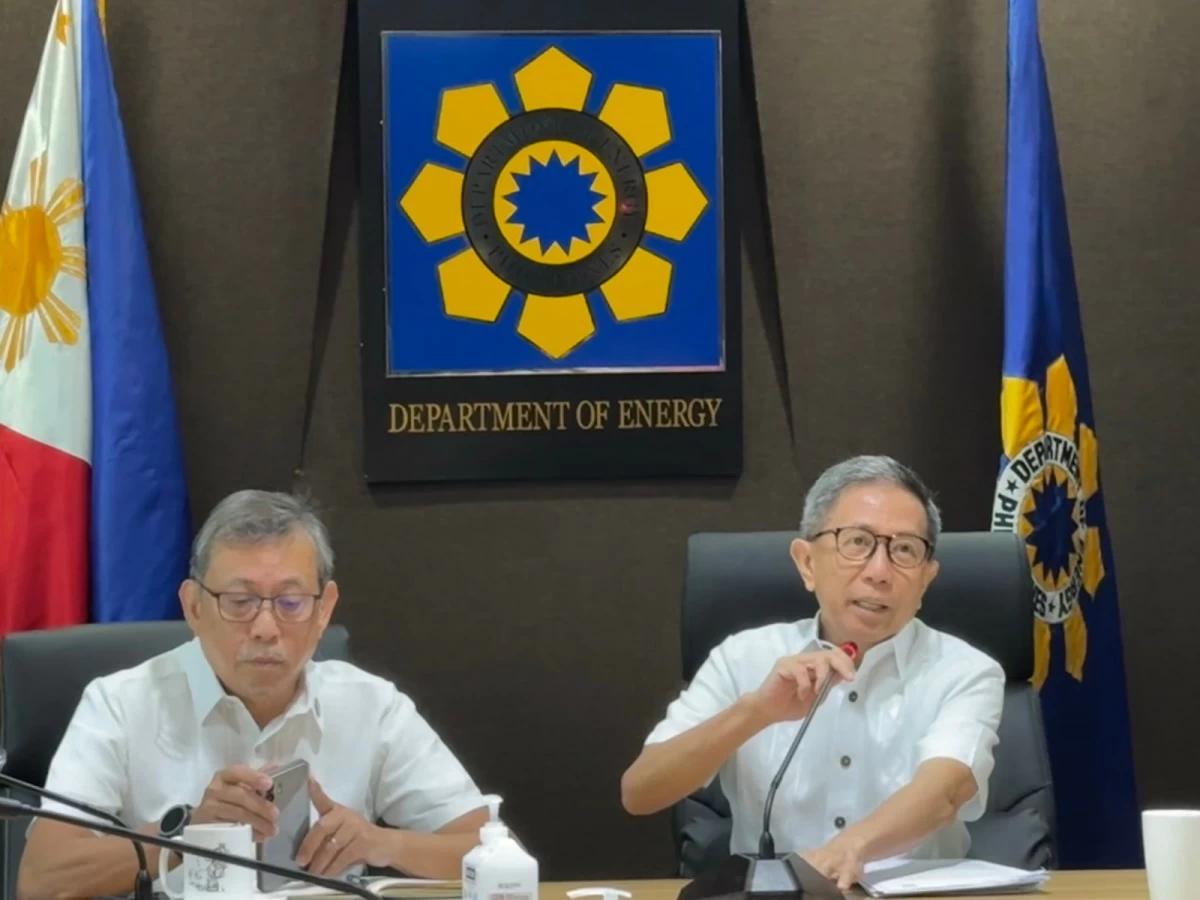
The Department of Energy (DOE) is expecting movements in the Malampaya gas field before the end of May, which would pave the way for drilling activities to avoid the plant’s potential curtailment by 2029.
In a briefing with reporters on Thursday, May 15, Energy Undersecretary Alessandro O. Sales shared the latest updates on the fourth phase of the Malampaya activities, including the arrival and deployment of vessels for drilling operations.
“The vessels are in Labuan, Malaysia. All the vessels, drilling ships, [Noble Viking], and the three support vessels are already at port in Labuan. They will need to load all of the materials prior to the departure or deployment [to] northwest Palawan,” Sales said.
Once they arrive in the Philippines, drilling operations for the three wells will begin.
“It is anticipated that the drilling of the three wells will take approximately 150 days toward the end of October. The actual hook-up and the pipe-laying to connect the two new wells to the existing production facilities will be undertaken immediately after—going to begin in the last quarter of this year,” he elaborated.
According to Sales, if the production of the two wells succeeds, the Malampaya gas field will be able to prolong its life to 2034, while its third well, dubbed as “Bagong Pag-Asa,” is also expected to yield more production volumes.
“Without further activity, meaning if we don’t do this, the field has been optimized to produce until 2029,” he stressed.
Insurance concerns over coal plants
Despite the ongoing coal moratorium, Energy Secretary Raphael P.M. Lotilla elaborated on the DOE’s concern over insurance companies imposing high premiums on existing coal-fired power plants.
After meeting with certain insurance firms, Lotilla disclosed that some insurers are concerned about the coal sector’s viability, given that some plants have already shut down.
The Energy chief added that banks, financial institutions, and even insurance companies perceive high risks, which lead to higher premiums.
“I was discussing with the insurance companies… One of the issues that was raised was they said, ‘Are you already closing down your power plants?’ Part of the answer is with the insurance industry because they are the ones who have shown reluctance in terms of providing reasonable rates of insurance for the power sector, particularly even for coal-fired power plants that are existing,” he said.
“I think you are aware premium rates—the premiums for insurance—have increased, especially for the coal-fired power plants. Since coal-fired power plants in the Philippines are part of the transition story—in other words, we still have coal-fired power plants that are not covered by the coal moratorium and that have come in,” Lotilla elaborated.
As of 2023, the DOE noted that coal accounts for about 63 percent of the country’s power generation, while renewables make up 22 percent of overall power generation.
“We have the challenge of getting not only financing for those that are still to be built, but the insurance premiums that are being charged, especially for these power plants.”
He further emphasized to insurance firms that the Philippines has a stable legal framework, particularly within the energy sector.
“That should again be a source of assurance that the regulatory framework is stable in the country, and the downstream deregulation law is also in place. What has been strengthened is… the passage and implementation of the Philippine Competition Law… We look forward therefore to a more vibrant energy and power sector, especially in the second half of the President's term,” he said.