







GWM is bringing hybrid tech to 4x4off-roaders
Making rugged cars more efficient


At A Glance
- GWM is stepping up its efforts in hybrid innovation with the rollout of its Hi4 system, a technology that's set to become central to its electrified lineup across several sub-brands, like Haval, Canon, and Tank.
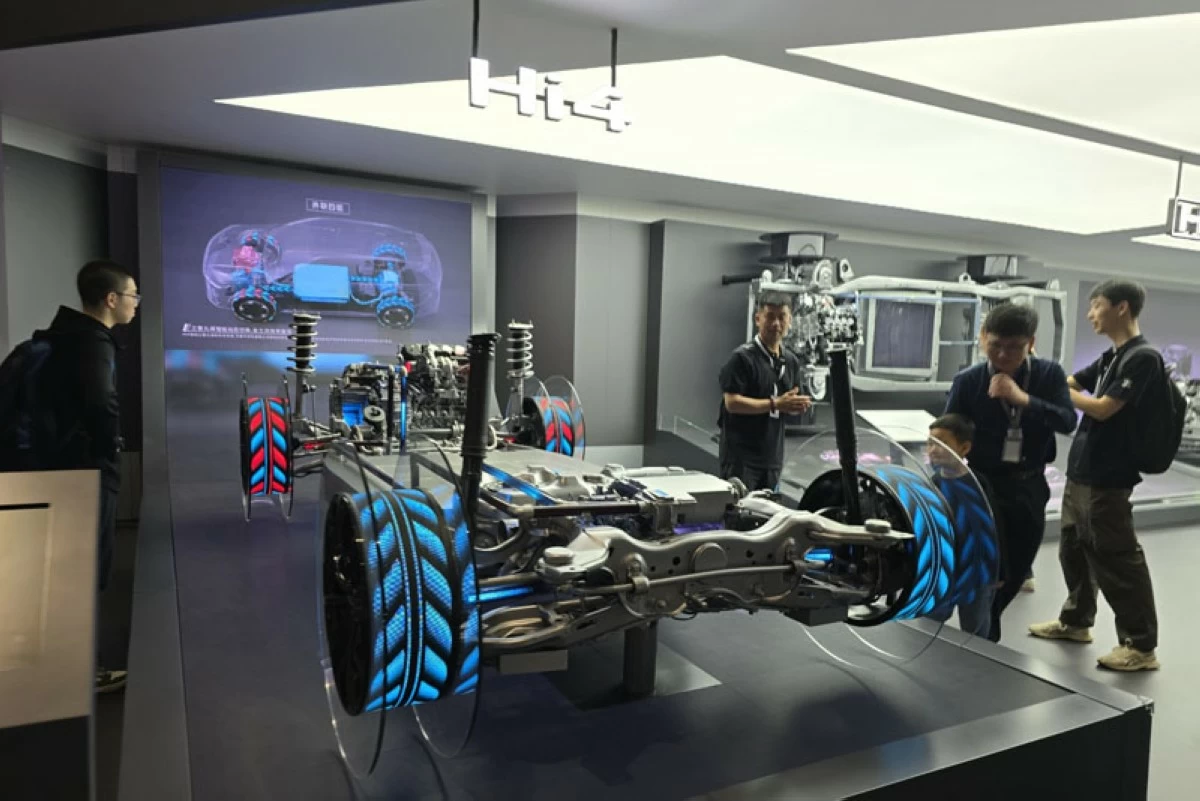
GWM is stepping up its efforts in hybrid innovation with the rollout of its Hi4 system, a technology that’s set to become central to its electrified lineup across several sub-brands. Although Hi4 has yet to reach Philippine shores, it’s worth paying attention to, especially as GWM continues to broaden its presence in international markets. Given the Philippines’ mix of urban traffic, rough provincial roads, and the growing demand for fuel efficiency, this kind of adaptable, all-weather hybrid tech could be particularly well-suited to our needs.
GWM Philippines recently invited us to Auto Shanghai 2025 in China, where the company showcased its latest automotive technologies and global strategy. While GWM remains a relatively new player in the Philippine market, its international presence tells a different story. The brand now exports vehicles to over 170 countries and regions and has sold more than 1.9 million units abroad, which is evidence of its growing global footprint and rising ambitions.
One hybrid platform for all
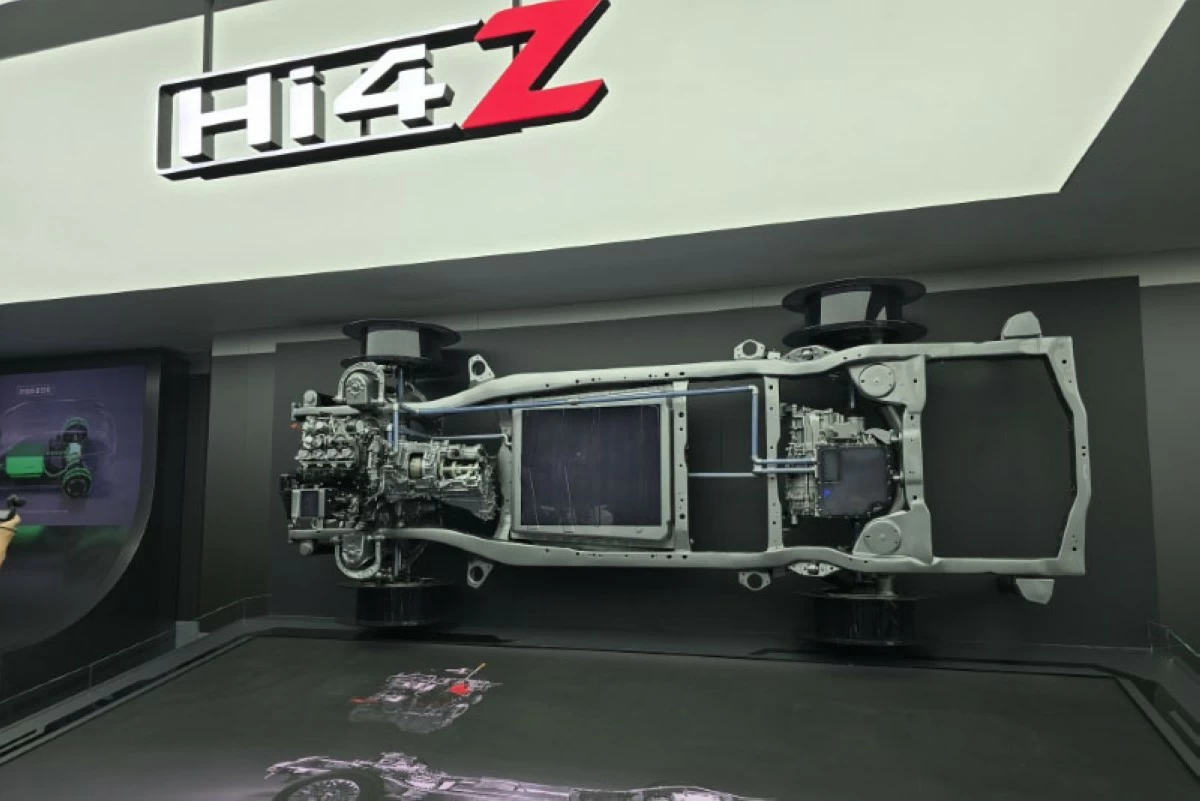
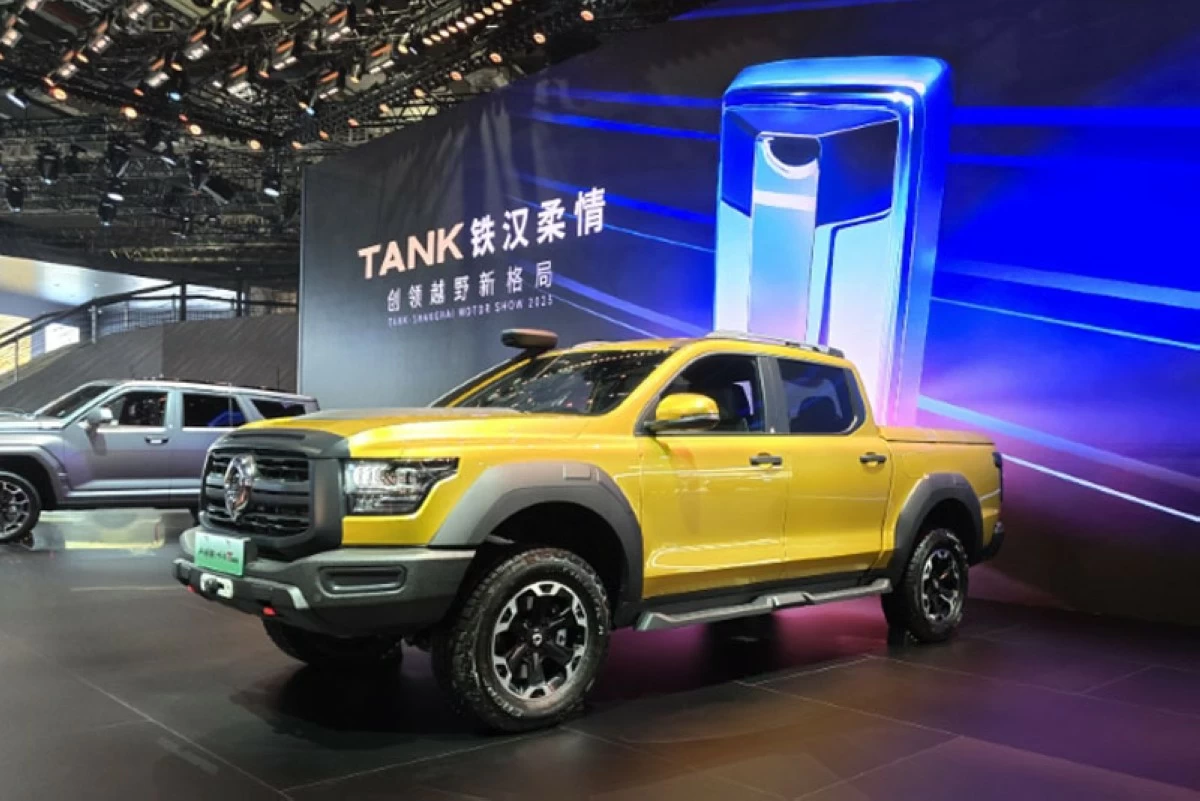
The Hi4 platform — short for Hybrid Intelligent 4WD — is GWM’s modular hybrid solution aimed at improving fuel economy, power delivery, and off-road performance. It features dual electric motors, a multi-speed electromechanical transmission, and a suite of advanced controls that enable intelligent torque distribution across all four wheels. Available in several configurations depending on vehicle application, Hi4 is built to serve everything from compact crossovers to heavy-duty off-roaders. The base Hi4 system is used in Haval models like the Xiaolong MAX and H7, while the Hi4 Performance Edition is fitted to larger vehicles, including the WEY 07 and Tank 500. The Hi4-Z (Zenith), developed for high-performance off-road use, is found in the Tank 500. The most rugged variant, Hi4-T (Tank) with triple locking mechanical differentials, underpins the Tank 300, 400, and 700, as well as the Cannon Alpha PHEV pickup under the Cannon brand.
Hi4-equipped vehicles operate in nine drive modes, including pure EV, series hybrid, parallel hybrid, and engine direct-drive modes. The system automatically switches between modes depending on load, speed, and road conditions, aiming to maximize efficiency. GWM says the result is up to 15% less energy consumption versus conventional hybrids, with improved responsiveness and range.
In performance-focused applications, such as the Hi4 Performance Edition, the system combines a 1.5-liter turbocharged engine and a rear motor rated at up to 220 kW. The result is swift acceleration even in heavier vehicles, with GWM claiming a 0 to 100 km/h time of under five seconds in some setups.
Then there are the more extreme variants: Hi4-Z and Hi4-T. The Hi4-Z, designed for serious off-road use, integrates a 59-kWh battery, three-speed front drive unit, and a 240-kW rear axle. This setup delivers over 200-km of electric range and a total driving range of up to 1,100 km, with maximum outputs of 972-PS and 1,375-Nm. GWM says its desert performance has already been proven in real-world endurance runs.
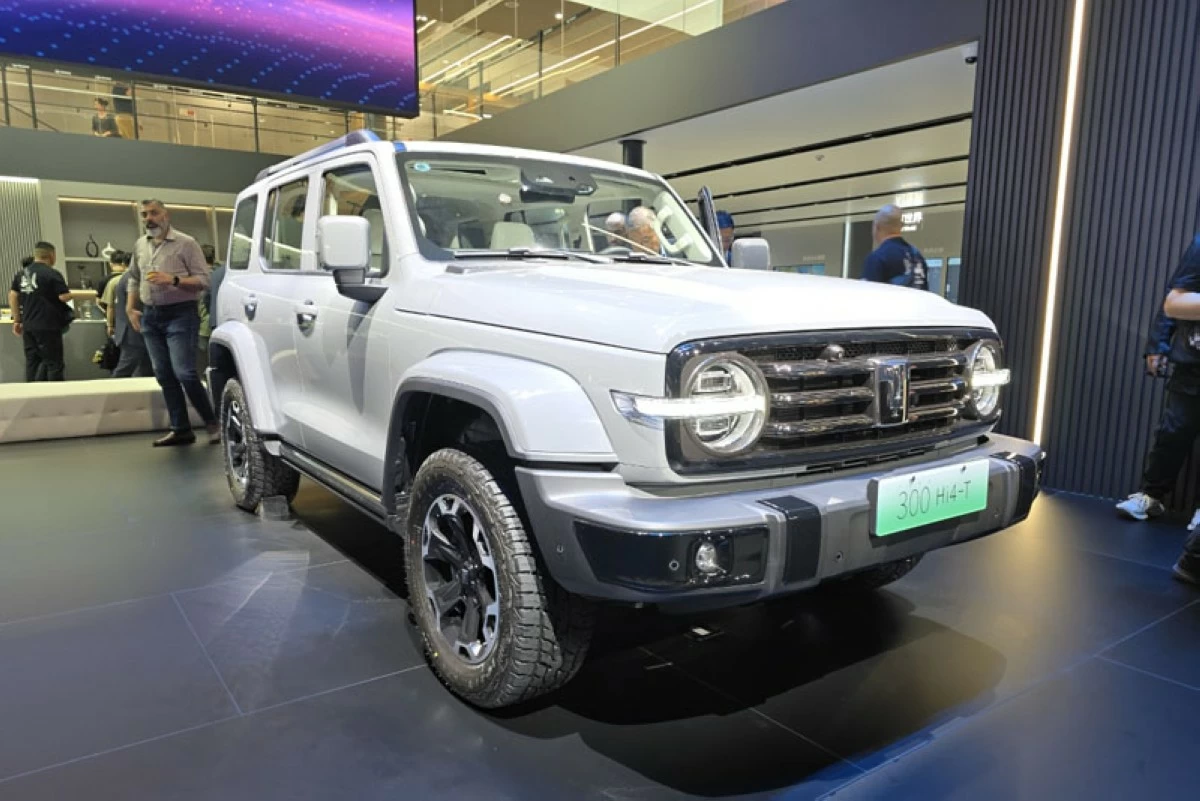
The Hi4-T is even more specialized and is fitted to most of the new Tank models. Fitted with locking front, center, and rear differentials, plus a robust 37.1-kWh battery, it blends electric torque with mechanical 4WD to handle terrain like deep mud, snow, sand, steep climbs, and rock crawls. Real-time torque adjustment and strong thermal management allow it to deliver consistent performance across a wide range of off-road challenges. The technology is also used on the Cannon Alpha PHEV, part of GWM's pickup line under the Cannon brand. This larger and more advanced pickup, which has not yet been introduced in the Philippines, benefits from the same Hi4-T underpinnings, showing the system’s adaptability beyond SUVs and into the light commercial segment.
Coming to the Philippines?
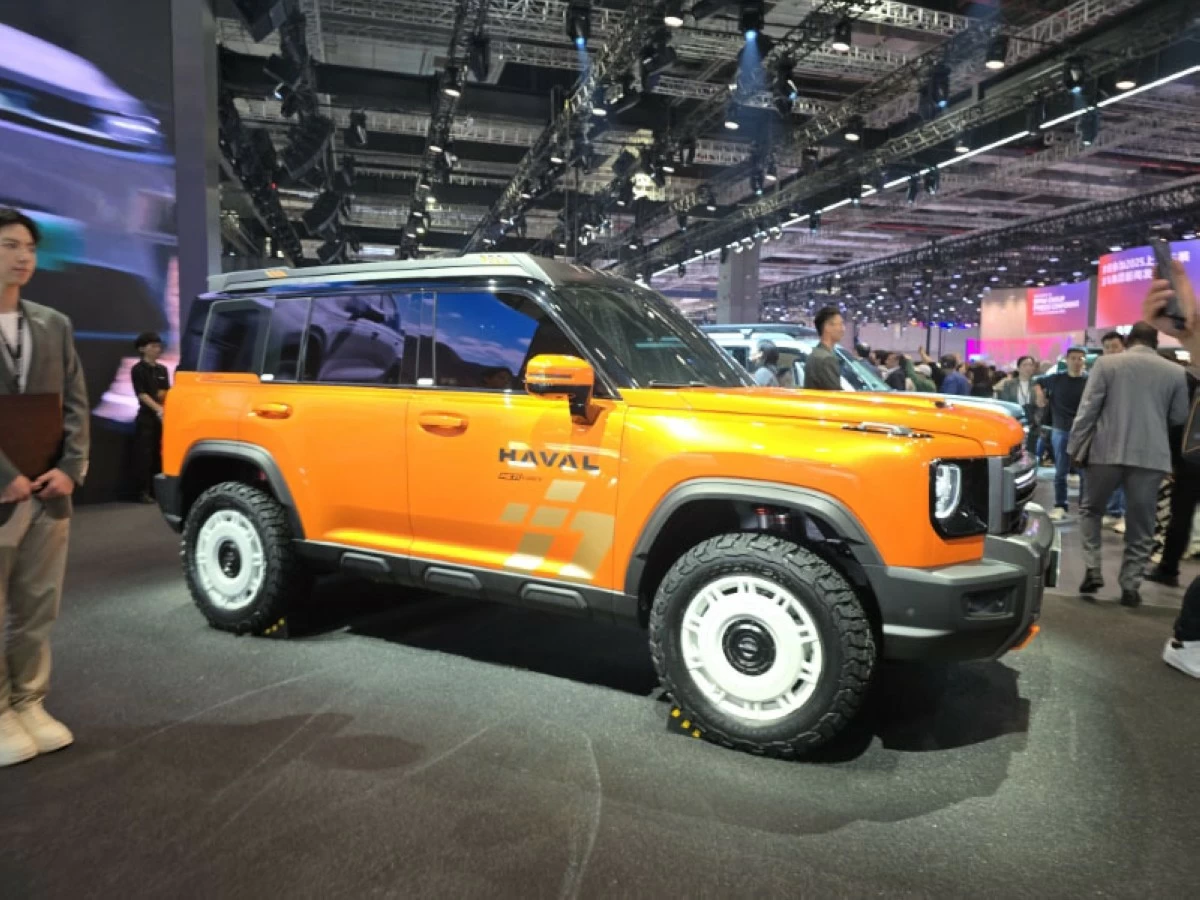
For the Philippine market, where GWM has slowly started making inroads with its Tank series, the Hi4-Z and T systems could be a game-changer. A hybrid SUV that offers range and serious off-road chops (while remaining efficient and responsive) would stand out in a segment often limited to diesel-powered ladder-frame vehicles.
GWM has not yet confirmed local availability, but the timing may be perfect. Filipino car buyers are increasingly open to electrified drivetrains, while still prioritizing real-world capability, range, and durability. By introducing Hi4-equipped models under the Tank brand, GWM Philippines could establish a unique position in the competitive SUV market. A hybrid 4x4 designed for serious off-roading, without sacrificing range or practicality, could appeal to both hardcore enthusiasts and everyday drivers seeking greater versatility.
The Hi4 platform shows just how far GWM has come in pushing electrified vehicle design beyond the basics. Rather than simply tacking electric motors onto an existing drivetrain, the company has reimagined what a hybrid 4WD system can do — from everyday efficiency to desert endurance, and legitimate off-road prowess. It's a serious piece of technology with real-world applications, and the only question that remains is how soon we’ll see it rolled out in the Philippine market.