








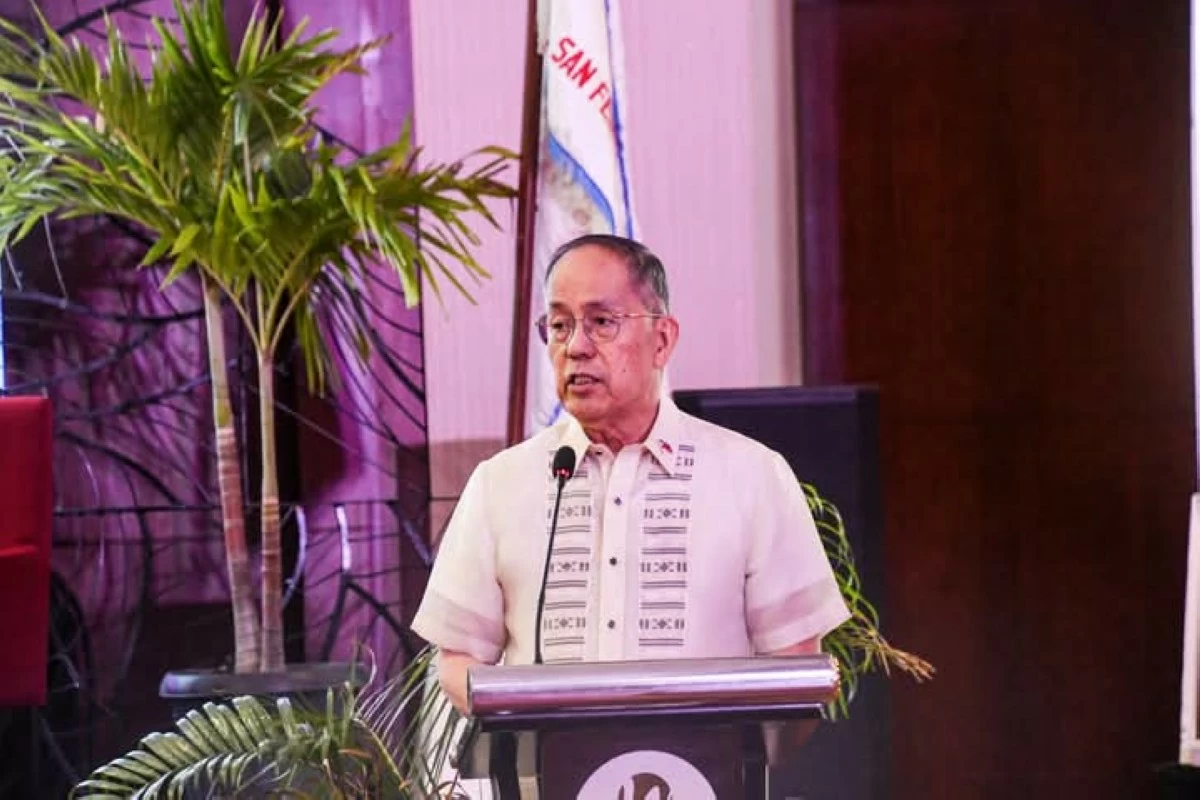
DOLE Secretary Bienvenido Laguesma said that while wage adjustments are being reviewed by regional wage boards, broader interventions—such as reduced taxes for workers and support for small businesses—are also under consideration to help ease financial strain.
“Any tax-related proposals would require careful economic assessment, since government revenues from taxation fund critical social services and public investments,” Laguesma said.
He added that the Marcos administration is also advancing complementary efforts, including the institutionalization of the KADIWA program to stabilize the prices of basic goods.
Among the medium- and long-term strategies already in place are the Philippine Development Plan 2023–2028, the Labor and Employment Plan, the National Technical Education and Skills Development Plan, and the newly launched Trabaho Para sa Bayan initiative.
Laguesma emphasized that these policy frameworks were crafted through tripartite consultations involving labor groups, employers, and private sector stakeholders to ensure inclusive decision-making and shared accountability.
To address the continuing outflow of Filipino workers seeking better opportunities overseas, DOLE is intensifying its upskilling and workforce development programs to create higher-quality and better-paying jobs locally.
The department is likewise working to boost the growth of micro, small, and medium enterprises (MSMEs) through incentives while continuing to build a globally competitive Filipino workforce.
The inter-agency council steering the Trabaho Para sa Bayan initiative includes representatives from both labor and employer sectors, underscoring the government’s commitment to collaborative and inclusive policies that place Filipino workers and their families at the center of development.