







Philippines at crossroads amid brewing political storm


Where is our country headed for?
It all depends on how our leaders — the elective and appointive officials — will shape the country’s future.
As the dust begins to settle from the May 12 midterm elections, the Philippine political landscape once again finds itself at a defining crossroads. With 80 percent of the votes cast in the May 12 midterm elections already canvassed as of midday on May 13, the emerging numbers point to a significant win for President Marcos’ Alyansa para sa Bagong Pilipinas. The alliance is poised to clinch half of the 12 Senate seats up for grabs, with two other winning candidates likely to support his administration’s economically sound agenda. On the surface, this looks like a resounding mandate for the administration. But underneath lies a more complex narrative — one that intertwines personal rivalries, institutional power plays, and the uncertain future of the nation’s governance.
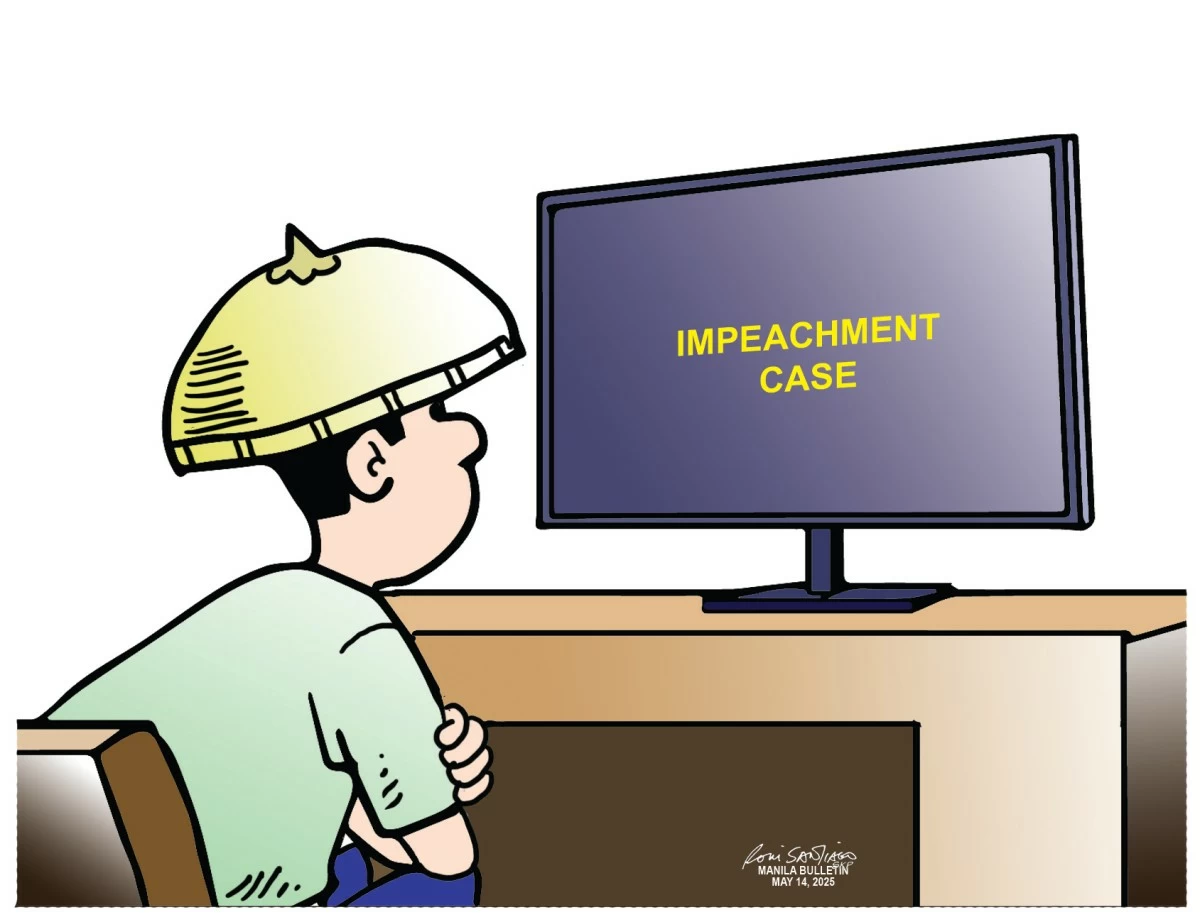
At the heart of this unfolding drama is the high-stakes impeachment case against Vice President Sara Duterte — President Marcos’ former running mate turned political adversary. What began as an alliance of convenience has quickly deteriorated into a bitter rivalry. Now, the Senate, freshly reshaped by this election, will become the ultimate battleground where this conflict could reach its most consequential climax.
For an impeachment to succeed, it requires at least a two-thirds majority vote in the 24-seat Senate—that is 16 votes or more. This means the Vice President needs at least nine loyal senators to stand by her to avoid conviction and removal. While the gains of the administration alliance may appear to tilt the chamber toward the Marcos camp, the presence of senators with dual allegiances or ideological independence suggests a more fluid, unpredictable scenario. Some administration-backed winners have historically expressed loyalty or sympathy toward Duterte’s political brand — raising the possibility of crosscurrents within what seems to be a Marcos-dominated chamber.
The greater question is: What does this mean for the country?
In the short term, the tension between the Marcos and Duterte camps could lead to political paralysis. With both camps focused on consolidating power and settling scores, legislative work might take a backseat. Crucial policy debates on economic recovery, education reform, healthcare, and national security could be delayed or diluted. For a country still recovering from the Covid-19 pandemic’s economic impact and facing growing global uncertainties, this distraction would be costly.
Yet amid the political brinkmanship, there is also opportunity — opportunity for a new kind of leadership to emerge. Filipinos, long weary of dynastic politics and personality-based governance, may now demand more from those in power. Senators caught between Marcos and Duterte might choose to assert their independence, crafting a legislative agenda based on public interest rather than partisan loyalty.
This moment in the country is not confined to who wins or loses the impeachment case. It boils down on the kind of democracy the country wants to build. Will it be one shackled by personal vendettas, or one that transcends political fervor to serve the people’s best interest? The weeks ahead will test not just the strength of alliances but the integrity of officials and institutions.
In the end, the nation watches with anxious eyes — not just for a verdict on a Vice President, but for signs of whether the country is heading toward maturity or deeper into division. One thing is certain, the choices made in these coming days will echo far beyond the Senate halls. It will be how the country’s destiny is shaped for years to come.
Our officials — both elective and appointive — have to make a wise and intelligent choice for the benefit of our generation and the generations to come.