






The Healthcare Training Center (HCT) is setting a new standard in healthcare education by leveraging cutting-edge innovation and global collaborations to prepare the next generation of medical professionals. With a commitment to excellence, HCT is revolutionizing healthcare training through advanced technology, immersive learning experiences, and strategic international partnerships. In today’s evolving global healthcare landscape, the need for highly skilled, industry-ready professionals has never been more urgent. As the Philippines’ largest healthcare skills training center, HCT bridges the gap between academia and industry to meet this growing demand.
Manila Bulletin
 Lifestyle
Health and Wellness
HCT: Leading the future of healthcare training with innovation and global impact
Lifestyle
Health and Wellness
HCT: Leading the future of healthcare training with innovation and global impact
Lifestyle
Health and Wellness
HCT: Leading the future of healthcare training with innovation and global impact
HCT: Leading the future of healthcare training with innovation and global impact
The Philippines' largest healthcare skills training center is at the forefront of transforming healthcare education
By MB Lifestyle
Published May 14, 2025 10:19 am


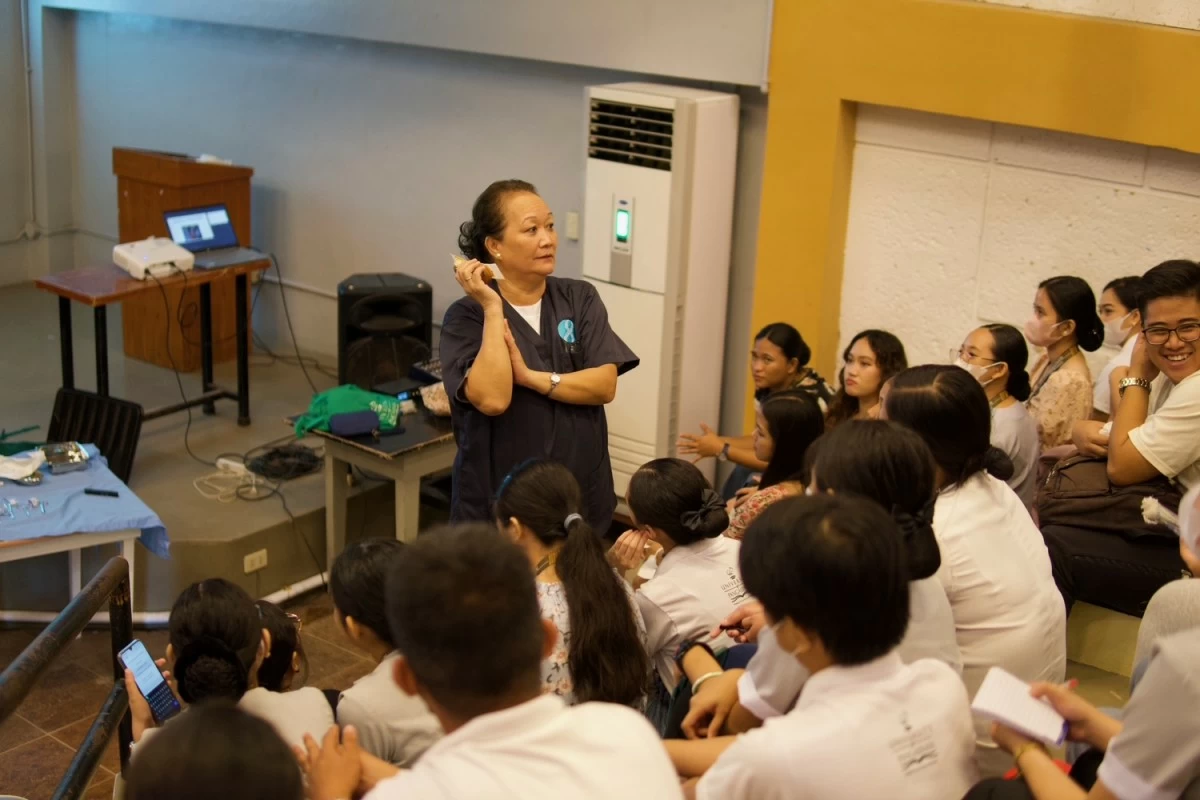
A legacy of excellence in healthcare training
Upholding the highest global training standards, HCT has led advancements in healthcare education since its founding in 2007. By integrating best practices from international healthcare organizations, it has produced generations of Filipino medical professionals equipped to meet the challenges of a constantly evolving field.
“The world knows Filipino nurses to be the best. What people don’t often see or hear is that the first six months of employment are the most difficult, as stated by many doctors,” said president Armand del Rosario. “Our goal has always been to close the gap between education and real-world practice. If we can reduce the onboarding period from six months to three, we will have fulfilled our purpose.”
Global standards and industry partnership
To keep its training programs aligned with international standards, HCT actively collaborates with global healthcare leaders and organizations. The institute regularly participates in international conferences to stay updated on developments and best practices—particularly in the use of technology for instruction.
“We’ve witnessed how the Western world has incorporated virtual reality (VR) and artificial intelligence (AI) into healthcare education,” Armand said. “Now, we’re ensuring that Filipino nurses have access to the same innovations.”
A testament to this commitment is HCT’s three-year partnership with UbiSim, the world’s leading VR simulation platform for nurses. Exclusively run on Meta Quest headsets, UbiSim provides immersive, hands-on training that enhances clinical judgment, decision-making, and student confidence.
“This collaboration is a pivotal step in empowering future nurses with immersive learning experiences that blend technology with the highest standards of care,” Armand said. “With UbiSim, we’re preparing students for real-world challenges in a psychologically safe environment, ensuring they’re ready to excel from day one.”
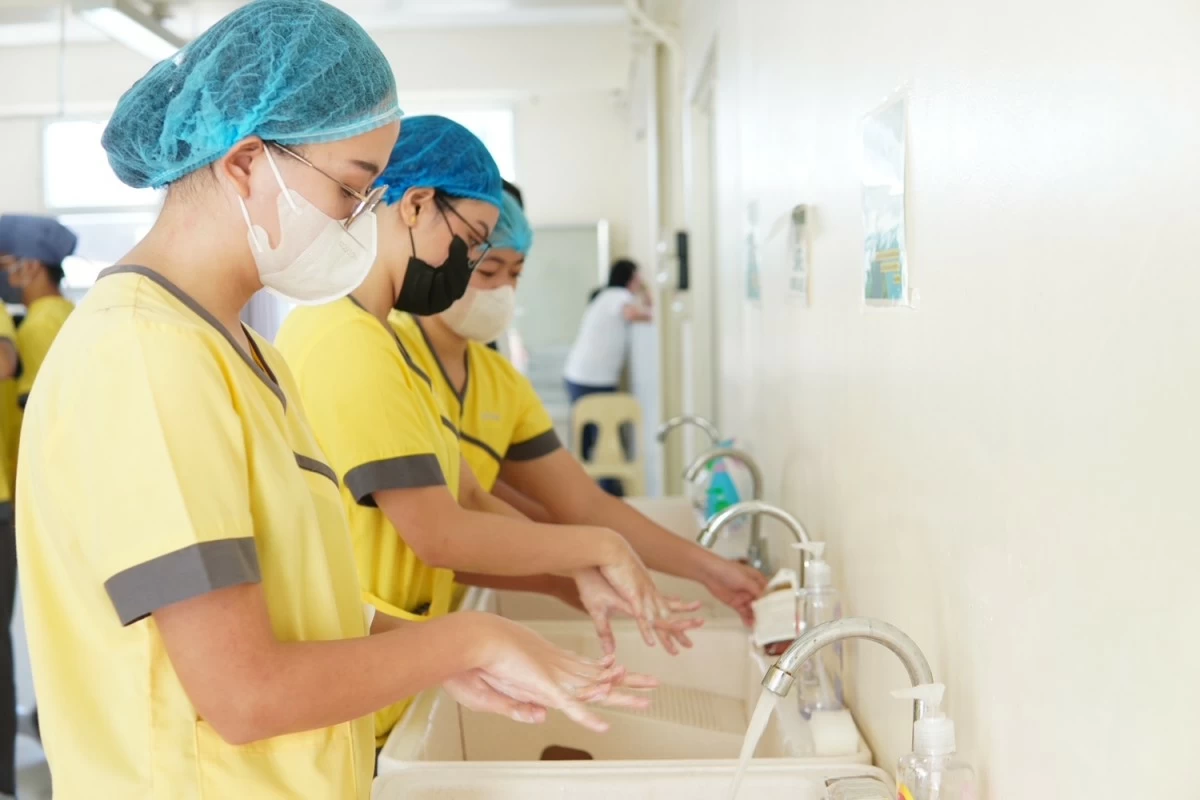
Upskilling the next generation of healthcare professionals
As the global healthcare system faces increasing demand for skilled professionals, HCT is committed to upskilling Filipino nurses and allied health workers to meet both local and international industry needs.
“Despite the fact that Filipino nurses are well known for their expertise and commitment, they frequently encounter difficulties when they go from school to practice,” Armand stated. “Medical directors at prestigious hospitals have told us that although Filipino nurses eventually excel, they first struggle because of cultural disparities, as well as, the lack of knowledge of international standards. Our training programs are designed to give students the expertise and self-assurance they need to succeed right away.”
HCT is also expanding its curriculum to offer high-quality training for allied health professionals, ensuring that all healthcare workers are equipped with skills aligned to global standards.
Innovation and digitalization in healthcare training
HCT’s commitment to innovation extends beyond VR. The institute is pioneering the integration of AI into healthcare education, recognizing its transformative role in both learning methodologies and patient care.
“You will see AI playing a bigger role in healthcare training,” Armand said. “HCT rebranded from HCAI to emphasize the integration of healthcare and technology. We’re positioning ourselves at the center of this healthcare renaissance, ensuring that our graduates are trained in the most advanced, industry-relevant methods.”
Through AI-powered tools that enhance simulation-based learning, HCT is preparing students to thrive in a healthcare system increasingly reliant on digital solutions for clinical decision-making and patient outcomes.
Expanding HCT’s global impact
While the UbiSim partnership marks a significant milestone, HCT is also exploring new global collaborations to expand its impact beyond the Philippines.
According to del Rosario, “We have pending partnerships in Europe, Canada, and the U.S. At this time, we are concentrating on optimizing the potential of virtual reality training, but we are also considering how we can apply our knowledge to other healthcare domains and regions in the future.”
With a relentless drive for innovation, strengthened by global alliances and a deep understanding of real-world industry needs, HCT is redefining healthcare education. Its transformative work is not only shaping the future of Filipino medical professionals—it’s reinforcing the Philippines’ role as a global leader in healthcare training.