






With illegal tobacco incidence reaching an all-time high of 18.2 percent in 2024, Philippine Tobacco Institute (PTI) has urged the Marcos administration to recalibrate tax rates to help reverse the declining state of the tobacco industry.
Manila Bulletin
 Business
Trade & Industry
Tax recalibration urged amid record rise in illegal cigarette trade
Business
Trade & Industry
Tax recalibration urged amid record rise in illegal cigarette trade
Business
Trade & Industry
Tax recalibration urged amid record rise in illegal cigarette trade
Tax recalibration urged amid record rise in illegal cigarette trade
By Derco Rosal
Published May 13, 2025 11:18 am


At A Glance
- The cheapest illegal cigarettes sell for as low as ₱40 per pack, while legal, tax-paid brands are priced at around ₱140. Philippine Tobacco Institute (PTI) said the ₱100 price gap is pushing consumers away from legal products and toward unregulated, untaxed alternatives.
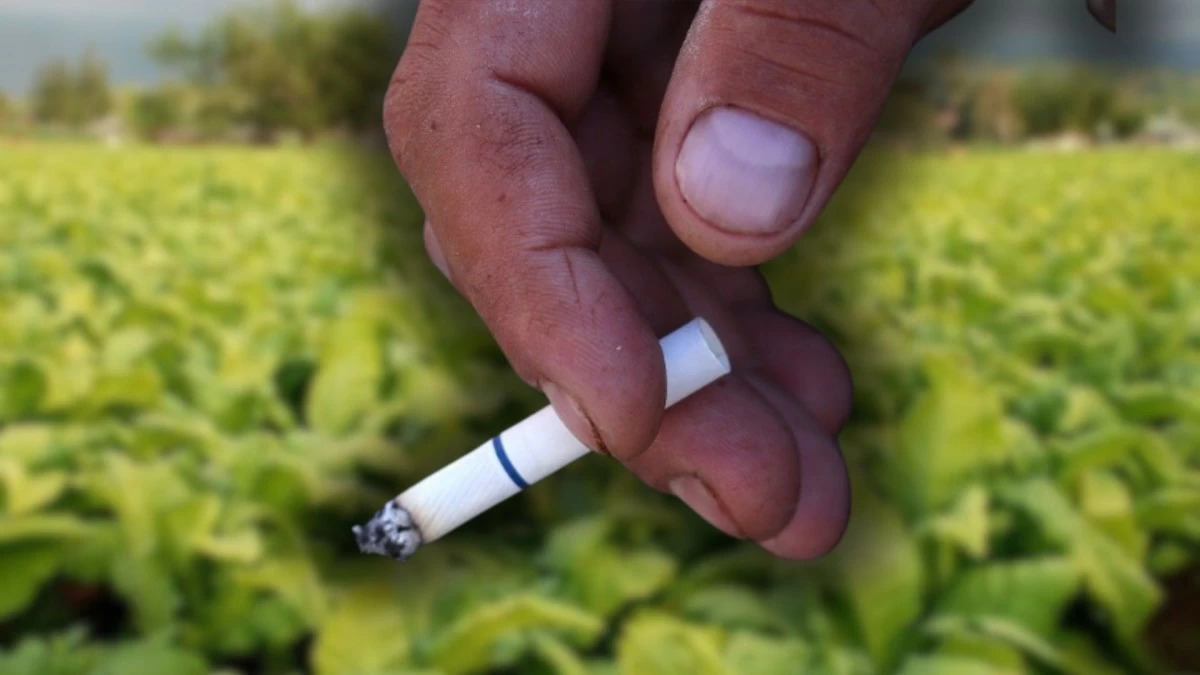
The latest industry data showed that illicit cigarettes jumped sharply from 5.4 percent of total cigarettes in the market in 2020, at the height of the pandemic, to 18.2 percent last year. This trend reflects a steep 240-percent surge over the four-year period.
“There is overwhelming evidence that illegal tobacco and vape products are exploding across the country,” PTI president Jericho B. Nograles said in a statement released on Monday, May 12.
Among the biggest contributors to the shift toward illegal cigarettes is the massive price difference between legal and illegal tobacco products, the organization said.
The cheapest illegal cigarettes sell for as low as ₱40 per pack, while legal, tax-paid brands are priced at around ₱140. PTI said the ₱100 price gap is pushing consumers away from legal products and toward unregulated, untaxed alternatives.
“Instead of purchasing legal cigarettes, consumers have switched en masse to cheaper illicit cigarettes. This has caused government revenues to fall by over ₱40 billion” in 2024, as compared to the 2021 tax earnings.
The Department of Finance (DOF) estimates annual revenue losses of ₱52 billion solely from illicit trade.
As such, Nograles said that the government’s attempt to reduce smoking through an annual tax hike policy “has failed.”
Increasing tax rates annually at five percent only makes “legal products less affordable,” Nograles said, adding that “consumers are not quitting—they’re switching.”
“Worse, these illicit products are now being openly sold to minors and widely distributed online with little to no regulation,” Nograles said.
Citing these concerns, Nograles has urged the government to “calibrate the tax rate to an optimal level and enhance enforcement and prosecution efforts so we can fully realize the benefits of the Sin Tax Law for both public health and government revenues.”
Data from the DOF showed the serious fiscal impact, with tobacco excise tax collections dropping from ₱176 billion in 2021 to just ₱134 billion in 2024.
The decline poses a risk to funding for programs of the Department of Health (DOH) and the state-run Philippine Health Insurance Corp. (PhilHealth), as 50 percent of tobacco excise taxes are allocated to health initiatives under Republic Act (RA) No. 11346.
To curb illicit trade, PTI specifically backs stronger coordination between law enforcement and local governments, a unified tax rate for all vapor products, and involvement of the Anti-Money Laundering Council (AMLC).
It also supports the activation of the Anti-Agricultural Economic Sabotage Council, tighter regulation of online marketplaces, and improved prosecution and conviction efforts by the Bureau of Customs (BOC) and the Bureau of Internal Revenue (BIR).