






 Business
The Economy
Q1 government spending boost seen spilling over to first-half GDP growth
Business
The Economy
Q1 government spending boost seen spilling over to first-half GDP growth
Q1 government spending boost seen spilling over to first-half GDP growth


At A Glance
- In a May 9 report emailed to journalists on May 12, Moody's Analytics noted that the first-quarter GDP "gathered momentum with the help of pre-election spending," even as the 5.4-percent growth figure was lower than expectations.
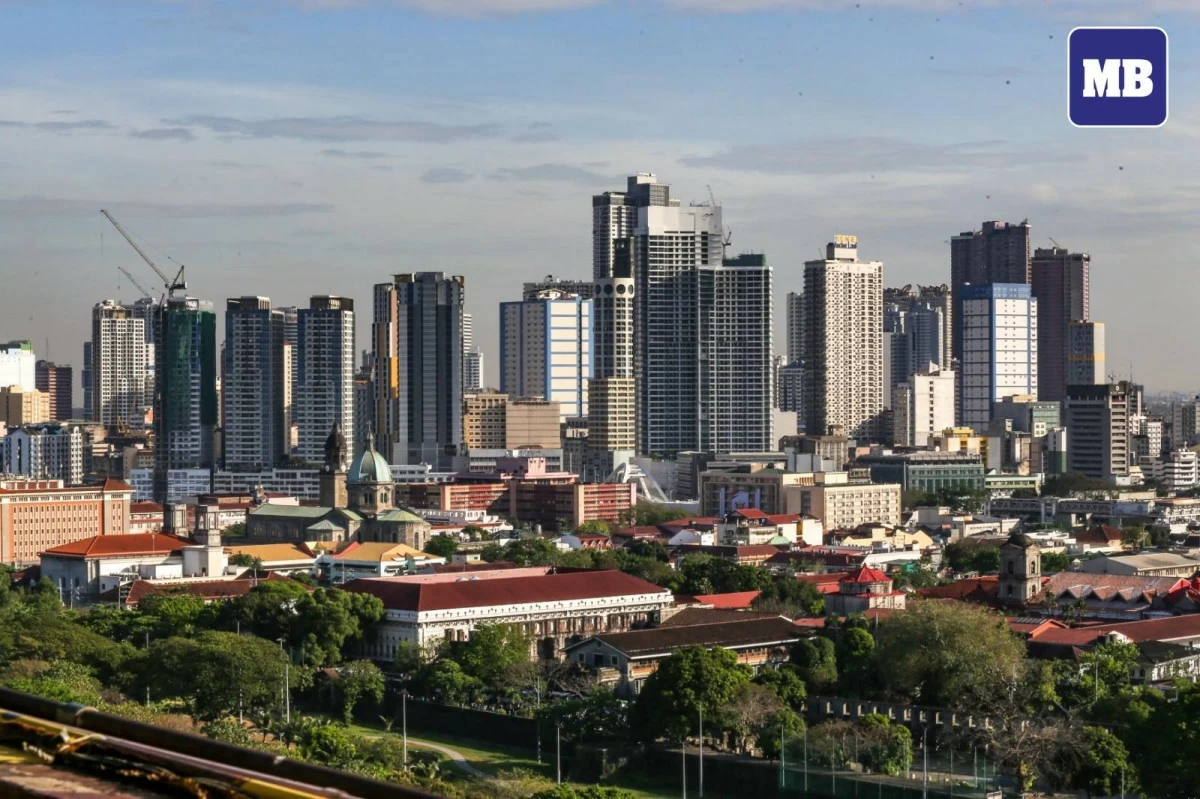
Government spending related to the May 12 midterm elections—frontloaded expenditures prior to the polls as well as the resumption of delayed projects due to the election ban—would likely spill over into the second quarter and support first-half economic growth, economists said.
"While the election spending ban may temper second-quarter outlays, the strong first-quarter momentum—fueled by an 18.7-percent surge in public expenditures—could still support carryover effects in construction, consumption, and private investment," Robert Dan Roces, economist at the Sy family-led conglomerate SM Investments Corp. (SMIC), told Manila Bulletin on Monday, May 12.
For Roces, robust spending on public goods and services at the start of the year would "help sustain solid first-half growth despite tighter fiscal space."
For his part, Rizal Commercial Banking Corp. (RCBC) chief economist Michael Ricafort said that he considers the nearly 20-percent growth in first-quarter government spending as "a major driver of economic growth" for 2025.
Jonathan Ravelas, senior adviser at Reyes Tacandong & Co. and managing director of e-Management for Business and Marketing Services, is also hopeful that the tailwinds of election spending would support growth moving forward.
Ravelas nonetheless forecast full-year gross domestic product (GDP) expansion this year at 5.6 percent, below the government's more ambitious goal of six to eight percent.
While public expenditures would be a driver, Ravelas pointed out that "consumer spending is key" to this year's growth outlook. Private consumption accounts for over two-thirds of Philippine GDP.
In a May 9 report emailed to journalists on May 12, Moody's Analytics noted that first-quarter GDP "gathered momentum with the help of pre-election spending," even as the 5.4-percent growth figure was below expectations.
Moody's Analytics cited that GDP grew by 1.2 percent during the January to March 2025 period compared to economic output in the preceding quarter of October to December 2024—the fourth quarter is historically a high-growth quarter due to strong Christmas holiday-related spending.
"A surge in government spending ahead of the May 12 general election spurred growth. Also, private consumption strengthened amid lower borrowing costs and easing inflation" in the first three months of the year, Moody's Analytics said.
Key interest rates were lower by 75 basis points (bps) in the first quarter compared to a year ago, as the Bangko Sentral ng Pilipinas (BSP) lowered the policy rate to 5.75 percent from August to December 2024 from a high of 6.5 percent.
While the BSP paused monetary policy easing at the start of the year amid uncertainties wrought by US President Donald Trump's tariff threats, the Monetary Board resumed interest rate cuts with a 25-bp reduction in the same month that the US tariffs were announced during Trump's so-called "Liberation Day."
The BSP is open to further slashing interest rates by up to 75 bps by year-end, as headline inflation fell below the two- to four-percent target band of manageable price increases conducive to economic growth for two straight months.
As inflation dropped to 1.8 percent in March and to an over-five-year low of 1.4 percent in April, the four-month average stood at two percent—the lower end of the government's target range.