






 Business
Trade & Industry
Local furniture makers seek government help amid US tariff blow
Business
Trade & Industry
Local furniture makers seek government help amid US tariff blow
Local furniture makers seek government help amid US tariff blow


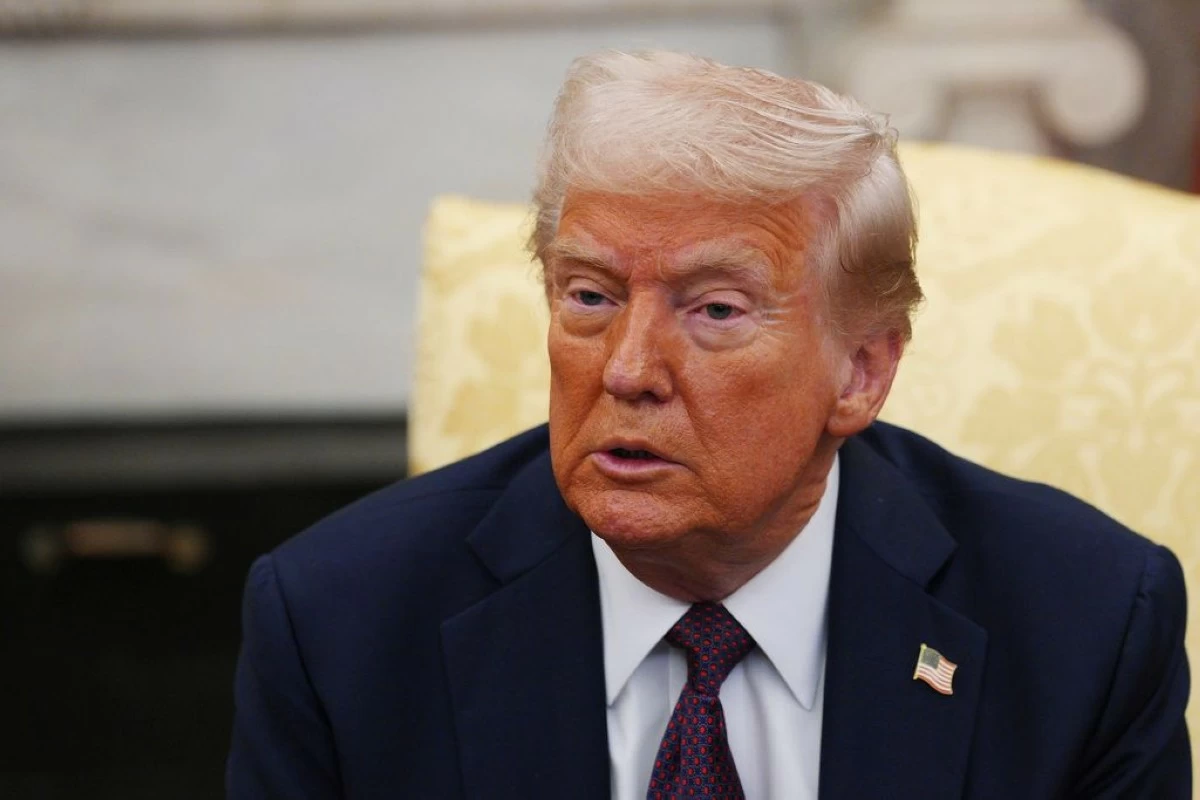
Local furniture manufacturers are seeking immediate government intervention to safeguard the industry from the impact of the 17-percent tariffs imposed by the United States on Philippine goods, citing the risk of potential factory closures and job losses.
In a position paper addressed to the Department of Trade and Industry, the Chamber of Furniture Industries of the Philippines, Inc. (CFIP), Pampanga Furniture Industries Foundation (PFIF), and Cebu Furniture Industries Foundation (CFIF) said the tariffs would make local furniture less attractive to American buyers.
Imposing higher taxes is expected to increase prices, eroding the industry’s competitive price advantage in the US’ $1.8-billion furniture import market.
As a result, the industry groups said manufacturing facilities would close down, leading to job losses for approximately six million Filipinos in the supply chain.
They said the tariffs would even impede the industry’s 2030 roadmap, which aims to establish the country as Asia’s design innovation hub and global leader in high-end furniture.
In a separate letter, the Philippine Exporters Foundation, Region III Inc. (Philexport Region 3) said the tariffs would threaten small- and medium-sized enterprises (SMEs), which have limited resources to absorb the added cost or to pivot to new markets.
The group representing Central Luzon exporters said the government should continue engaging with US trade authorities to negotiate the “reversal or reconsideration of the tariff policy.”
On the part of furniture makers, they demand that negotiations should focus on minimizing the tariff rate to zero percent.
In particular, they suggested that the government consider increasing its imports of US hardwood, rather than sourcing from neighboring countries, as a “gesture of reciprocal trade partnership.”
CFIP, CFIF, and PFIF assured the US government that the Filipino furniture industry “does not pose a competitive threat” to American manufacturers.
They noted that the majority of Philippine exports to America are not upholstered products, which constitute about half of the US furniture market.
“Instead, our exports primarily consist of items crafted from indigenous natural materials—such as rattan, abaca, and other fibers—that are not readily available in the US,” the groups said.
The furniture industry also appealed for broader support through tax incentives and export credit guarantees to help manufacturers cushion the impact of tariffs.
They also pushed for the modernization of logistics and port facilities to efficiently import American hardwoods.
Data from furniture manufacturers showed that the industry is currently valued at around $844 million market, which is projected to reach $1.7 billion by 2033.
With the Trump administration’s protectionist policies, the industry’s eight percent annual growth target could likely be just a pipe dream.
Last year, exports to the US reached $99.7 million, a 25-percent jump from $79.5 million in 2023.