






Classical music endures, even as times change.
Manila Bulletin
 Lifestyle
Arts and Culture
Lessons for the aspiring musician from a world-class pianist
Lifestyle
Arts and Culture
Lessons for the aspiring musician from a world-class pianist
Lifestyle
Arts and Culture
Lessons for the aspiring musician from a world-class pianist
Lessons for the aspiring musician from a world-class pianist
Cecile Licad shares her musical journey
By Poch Eulalia
Published May 12, 2025 03:11 pm


At A Glance
- 'I think the most important thing for aspiring musicians is to stick with it. You can't practice just whenever you feel like it. It has to be done consistently and daily—just like eating or brushing your teeth.'
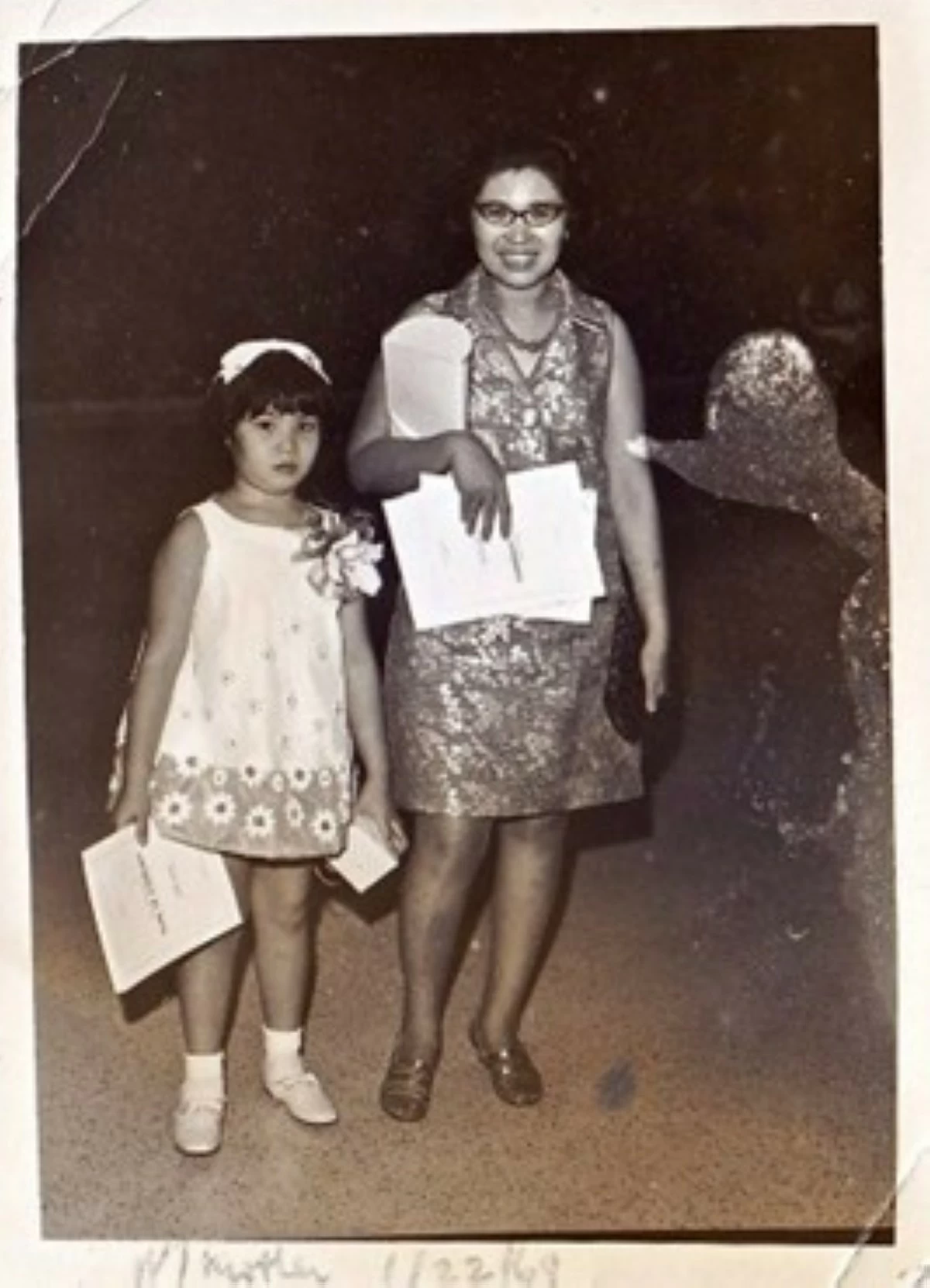
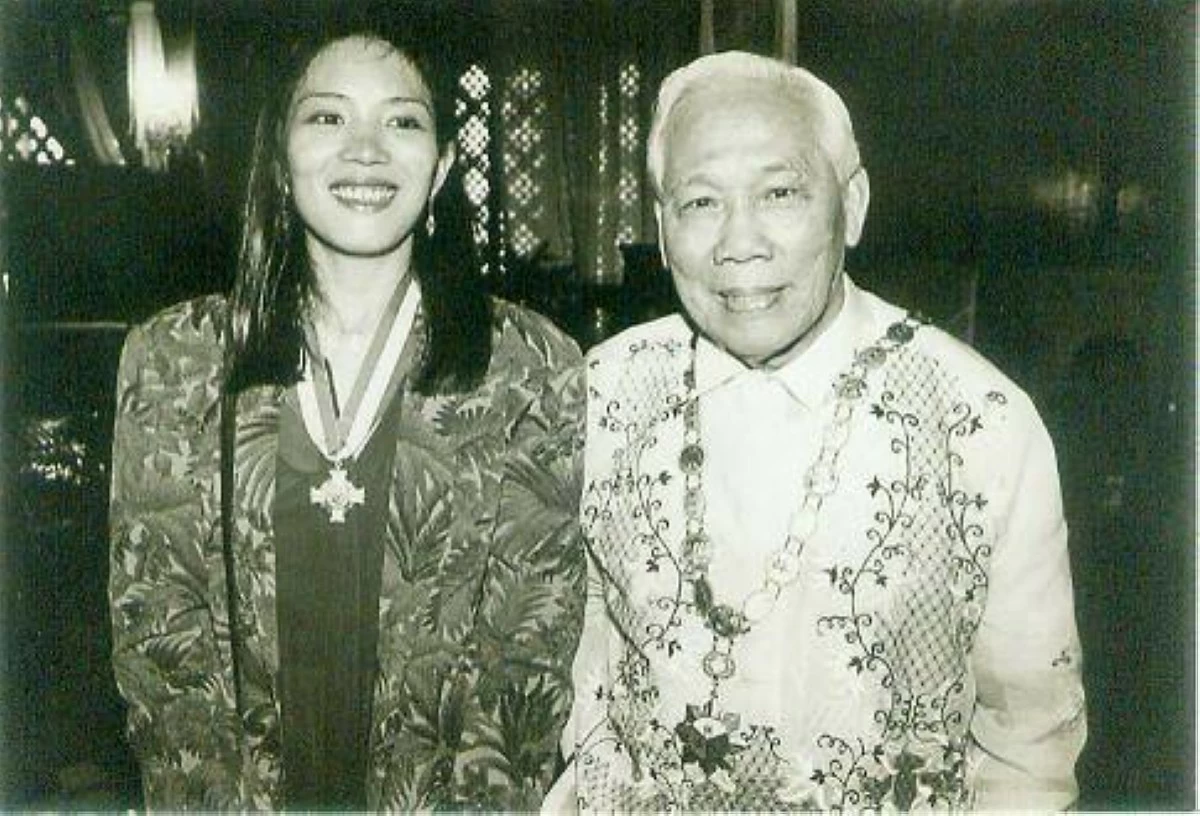
Cecile Licad was only seven years old when she debuted as a solo pianist with the Philippine Philharmonic Orchestra (PPO) in 1969. With her mother, Rosario Buencamino Licad, also a pianist, she was exposed to classical music at a very young age. Since then, Cecile has proven her classical prowess, performing with several international orchestras in Hong Kong, Japan, Canada, Switzerland, and Germany. In 2016, she was bestowed the Pamana ng Pilipino Award—an accolade given to Filipinos overseas who bring honor and recognition to the country—by the late President Benigno Aquino III. This year, she’ll return for a special performance with the PPO on Sept. 24, 2025, at the Manila Metropolitan Theater, followed by a series of outreach concerts.
In an interview with Manila Bulletin Lifestyle, Cecile shared her journey and how it can inspire others to take up the art form.
Who are some key figures that inspired you in your path as a musician?
Obviously, my teacher, Rudolf Serkin, is one of the world’s legendary musicians, whose recordings I had been listening to since I was four years old. I had no clue that by age 11, I would be studying with this giant, who treated me so wonderfully.
Another great influence on my playing was Mieczysław Horszowski, with whom I played four-hand music. He is a great idol of many renowned pianists of this generation. Mieczysław showed me the joy and wonder of the art of music, as well as the discipline required over a lifetime.
I’ve been called a colorist of the piano, and the pianist I learned the most from—as a great colorist—was the mighty Vladimir Horowitz, who was good friends with Rudolf Serkin. Vladimir’s imagination remains staggering.
After winning the Leventritt Award, I became indebted early in my career to the many orchestras and great conductors I had the privilege of working with and performing concertos for. Because of this, I have a very large concerto repertoire. Wonderful experiences with Sir George Solti, Seiji Ozawa, and Claudio Abbado—who rarely performed concertos with anyone—especially taught me how to play piano concertos with the greatest acoustic effect. Younger pianists often don’t realize that playing a concerto is an entirely different order than giving a recital.
I'm very concerned that pianists today seem ill-prepared in chamber music. I thank my lucky stars that during my teen years at the Marlboro Music Festival each summer, I had magnificent colleagues who cherished the chamber repertoire as I do, in all its forms. At Marlboro, I was fortunate to play with some of the greatest cellists, violinists, and other musicians in history. It was a rare time that has never been duplicated.
How different is the music scene now from when you started?
It’s a different world—because things change. When I began, the Asian community of musicians was extremely small. Now, it has grown to fill the music schools of the world with many talented young people hoping to succeed in a very difficult art and an even more difficult world.
What are your views on the current standing of Filipino classical music, and how do you feel about the future of classical music?
The Philippines has always been a musical nation. Filipinos have always loved the piano, and there are so many young people striving to become good pianists. These individuals must inspire their own children, just as I was inspired by my parents to respect the arts. If they do this, even in a fast-moving, radically changing world, this important part of life will remain strong in the Philippines, which has great potential in so many areas.
What is an important reminder you have for aspiring musicians?
I think the most important thing for aspiring musicians is to stick with it. You can’t practice just whenever you feel like it. It has to be done consistently and daily—just like eating or brushing your teeth. As the great Romanian pianist Dinu Lipatti once said, “Three days away from the piano, my fingers turn to spaghetti.” And as Ignacy Jan Paderewski remarked, “If I miss one day of practice, I notice it. If I miss two days, the critics notice it. If I miss three days, the audience notices it.”
Also, stay away from competitions. As the great Russian pianist Sviatoslav Richter once said, “They are the devil.”
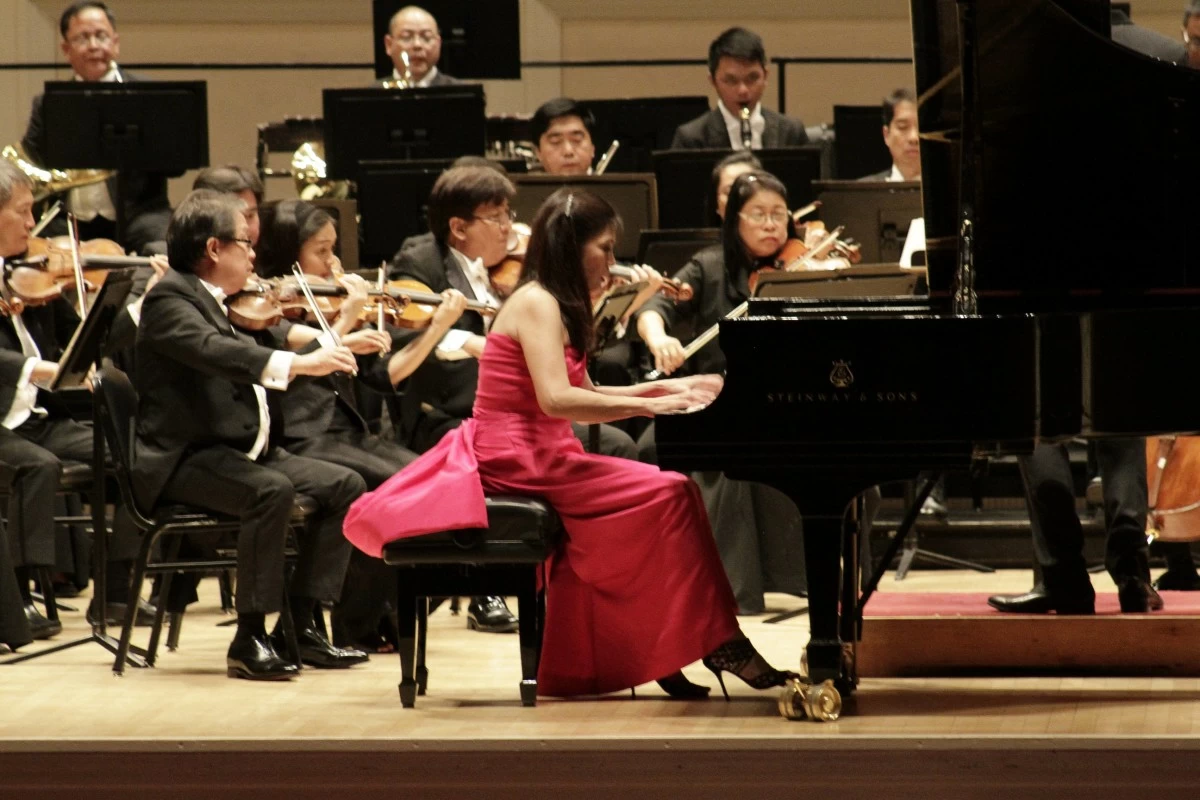
What are your hopes for your upcoming concert with the PPO on Sept. 24, 2025, at the Manila Metropolitan Theater?
I have always found audiences in Manila to be tremendously enthusiastic—because the audience is essential. A bad audience can make you feel very down, even if you play well. I look forward to working again with the PPO and Maestro Novak, all dedicated musicians to this sacred art.