ADVERTISEMENT

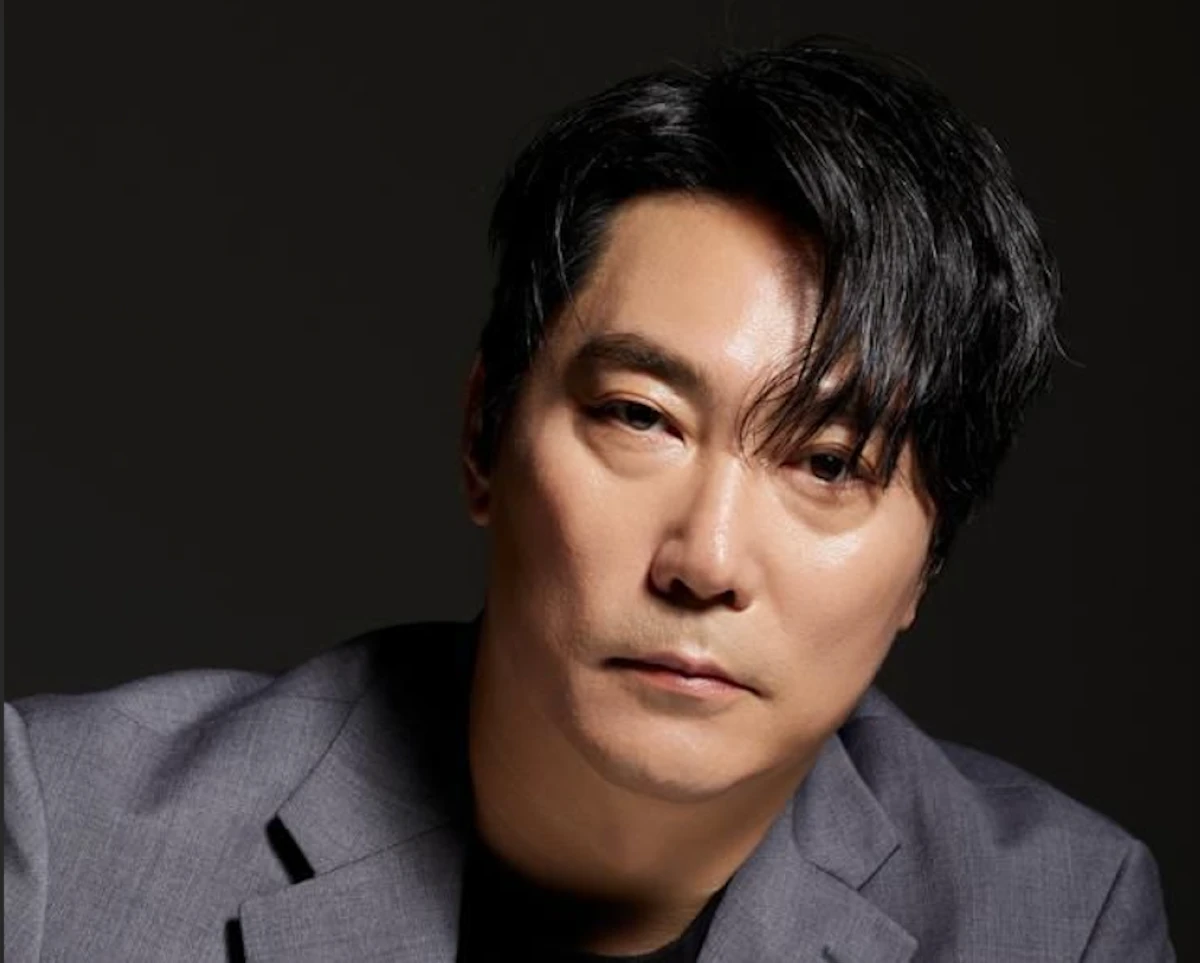
Hong Seo-joon: 'I feel truly alive when I act'

Published May 10, 2025 11:51 am
**media[]**

With a long list of impactful performances behind him, actor Hong Seo-joon has earned the nickname “10-million (won) supporting actor” for his appearances in box office hits. But beyond the screen, Hong is a thoughtful and devoted artist who attributes his growth to both meaningful collaborations and quiet persistence.

In an interview, Hong spoke about his recent work in projects like the drama “When the Phone Rings” and films such as “12.12: The Day,” “Exhuma,” and “Yadang: The Snitch.” Moving fluidly between scene-stealing supporting roles and solid leads, he has proven his range and staying power.

One project he holds close is “When the Phone Rings,” saying, “It felt like a gift.” Hong first connected with director Park Sang-woo during the MBC drama, “Man in the Kitchen.”

“I once told him, ‘I really want to be in your next project — just let me audition.’ He burst into tears and said, ‘Why would you need to audition? I’d be honored to work with you.’ I was moved,” Hong recalled. In the series, he plays Min Do-ki, a butler-like character shrouded in secrets — a role that required nuance and careful interpretation.

In “12.12: The Day,” which drew over 10 million moviegoers, Hong took on the role of military officer Ha Chang-soo. “It was the first time I was part of such a huge production,” he said. “I was really nervous. But the script was fantastic, and the final cut had great pacing. It was a fun experience.”

Hong Seo-joon says he draws on his own sensitivity to bring depth to villainous roles. Courtesy of Started Entertainment

Chilling villain

Hong’s role as Yi Geuk-jo, the father of Yi Jong-ryeo (played by Park Jeong-min), in the historical drama “Uprising” (2024) also left a deep impression. He recalled, “The director said he had been searching for the right actor for months. When I took on the role, he said, ‘Yi Geuk-jo has come to life.’ That meant the world to me.”

He praised his co-stars Park Jeong-min and Kang Dong-won, who played Cheon-young. “I found Park incredibly charismatic. I wanted to get to know him more,” he said. “As for Kang Dong-won, I had to plant the seeds of conflict in his character. It made for a really dynamic shoot.”

Known for playing chilling villains, Hong said he’s quite the opposite in real life. “I’m actually sensitive and easily hurt,” he said. “When I play villains, I try to imagine how I would be wounded in that situation — how fear or pain would affect me. I channel that into the role.”

Reflecting on his journey, Hong shared how his perspective on acting has evolved. “When I was younger, I just wanted to be a star. My family was poor, and I thought acting could bring in money. I had some talent, and I enjoyed the spotlight. But as I got older, I realized acting became my life itself,” he said. “Without it, I feel like I’d lose my sense of purpose. When I act, I feel truly alive. I plan to keep going until the day I die.”

Hong Seo-joon delivers a standout performance as the minister of military affairs in the historical film “Uprising.” Still from the movie

An irreplaceable acting coach

Hong describes his wife not only as his life partner but also as an irreplaceable acting coach. When reading scripts together, she challenges him with honest, instinctive questions like, “Why would this character act that way?” — questions that, according to Hong, help him dive deeper into the psychology of his roles. “Eighty percent of my acting comes from her,” he said.

He recalled meeting his wife during a time when he was a little-known and financially struggling actor. “I was earning about 3 million won [$2,200] a year,” he said. They met by chance at a cast party hosted by a theater group he had worked with.

Though he had sworn off dating, worried that he had nothing to offer, he found himself drawn to her. Their first date was a trip to the cinema to see “A Werewolf Boy” (2012). “I had no money and didn’t want to cause anyone hardship,” he said. “But she broke through that wall.” He smiled as he added, “I got married at 48. Some people say I give them hope.”

As for what lies ahead, Hong remains focused and grounded. “I want to win an acting award — not for the trophy, but to be recognized for my craft,” he said. “And as a person, I want to be a good husband, a good father, a good man. If I can look back one day and say, ‘I lived well,’ that would be enough.” (The Korea Times)

This article from the Hankook Ilbo, the sister publication of The Korea Times, is translated by generative AI and edited by The Korea Times.

ADVERTISEMENT
.most-popular .layout-ratio{ padding-bottom: 79.13%; } @media (min-width: 768px) and (max-width: 1024px) { .widget-title { font-size: 15px !important; } }

{{ articles_filter_1561_widget.title }}

.most-popular .layout-ratio{ padding-bottom: 79.13%; } @media (min-width: 768px) and (max-width: 1024px) { .widget-title { font-size: 15px !important; } }

{{ articles_filter_1562_widget.title }}

.most-popular .layout-ratio{ padding-bottom: 79.13%; } @media (min-width: 768px) and (max-width: 1024px) { .widget-title { font-size: 15px !important; } }

{{ articles_filter_1563_widget.title }}

{{ articles_filter_1564_widget.title }}

.mb-article-details { position: relative; } .mb-article-details .article-body-preview, .mb-article-details .article-body-summary{ font-size: 17px; line-height: 30px; font-family: "Libre Caslon Text", serif; color: #000; } .mb-article-details .article-body-preview iframe , .mb-article-details .article-body-summary iframe{ width: 100%; margin: auto; } .read-more-background { background: linear-gradient(180deg, color(display-p3 1.000 1.000 1.000 / 0) 13.75%, color(display-p3 1.000 1.000 1.000 / 0.8) 30.79%, color(display-p3 1.000 1.000 1.000) 72.5%); position: absolute; height: 200px; width: 100%; bottom: 0; display: flex; justify-content: center; align-items: center; padding: 0; } .read-more-background a{ color: #000; } .read-more-btn { padding: 17px 45px; font-family: Inter; font-weight: 700; font-size: 18px; line-height: 16px; text-align: center; vertical-align: middle; border: 1px solid black; background-color: white; } .hidden { display: none; }
function initializeAllSwipers() { // Get all hidden inputs with cms_article_id document.querySelectorAll('[id^="cms_article_id_"]').forEach(function (input) { const cmsArticleId = input.value; const articleSelector = '#article-' + cmsArticleId + ' .body_images'; const swiperElement = document.querySelector(articleSelector); if (swiperElement && !swiperElement.classList.contains('swiper-initialized')) { new Swiper(articleSelector, { loop: true, pagination: false, navigation: { nextEl: '#article-' + cmsArticleId + ' .swiper-button-next', prevEl: '#article-' + cmsArticleId + ' .swiper-button-prev', }, }); } }); } setTimeout(initializeAllSwipers, 3000); const intersectionObserver = new IntersectionObserver( (entries) => { entries.forEach((entry) => { if (entry.isIntersecting) { const newUrl = entry.target.getAttribute("data-url"); if (newUrl) { history.pushState(null, null, newUrl); let article = entry.target; // Extract metadata const author = article.querySelector('.author-section').textContent.replace('By', '').trim(); const section = article.querySelector('.section-info ').textContent.replace(' ', ' '); const title = article.querySelector('.article-title h1').textContent; // Parse URL for Chartbeat path format const parsedUrl = new URL(newUrl, window.location.origin); const cleanUrl = parsedUrl.host + parsedUrl.pathname; // Update Chartbeat configuration if (typeof window._sf_async_config !== 'undefined') { window._sf_async_config.path = cleanUrl; window._sf_async_config.sections = section; window._sf_async_config.authors = author; } // Track virtual page view with Chartbeat if (typeof pSUPERFLY !== 'undefined' && typeof pSUPERFLY.virtualPage === 'function') { try { pSUPERFLY.virtualPage({ path: cleanUrl, title: title, sections: section, authors: author }); } catch (error) { console.error('ping error', error); } } // Optional: Update document title if (title && title !== document.title) { document.title = title; } } } }); }, { threshold: 0.1 } ); function showArticleBody(button) { const article = button.closest("article"); const summary = article.querySelector(".article-body-summary"); const body = article.querySelector(".article-body-preview"); const readMoreSection = article.querySelector(".read-more-background"); // Hide summary and read-more section summary.style.display = "none"; readMoreSection.style.display = "none"; // Show the full article body body.classList.remove("hidden"); } document.addEventListener("DOMContentLoaded", () => { let loadCount = 0; // Track how many times articles are loaded const offset = [1, 2, 3, 4, 5, 6, 7, 8, 9, 10]; // Offset values const currentUrl = window.location.pathname.substring(1); let isLoading = false; // Prevent multiple calls if (!currentUrl) { console.log("Current URL is invalid."); return; } const sentinel = document.getElementById("load-more-sentinel"); if (!sentinel) { console.log("Sentinel element not found."); return; } function isSentinelVisible() { const rect = sentinel.getBoundingClientRect(); return ( rect.top < window.innerHeight && rect.bottom >= 0 ); } function onScroll() { if (isLoading) return; if (isSentinelVisible()) { if (loadCount >= offset.length) { console.log("Maximum load attempts reached."); window.removeEventListener("scroll", onScroll); return; } isLoading = true; const currentOffset = offset[loadCount]; window.loadMoreItems().then(() => { let article = document.querySelector('#widget_1690 > div:nth-last-of-type(2) article'); intersectionObserver.observe(article) loadCount++; }).catch(error => { console.error("Error loading more items:", error); }).finally(() => { isLoading = false; }); } } window.addEventListener("scroll", onScroll); });

Sign up by email to receive news.