








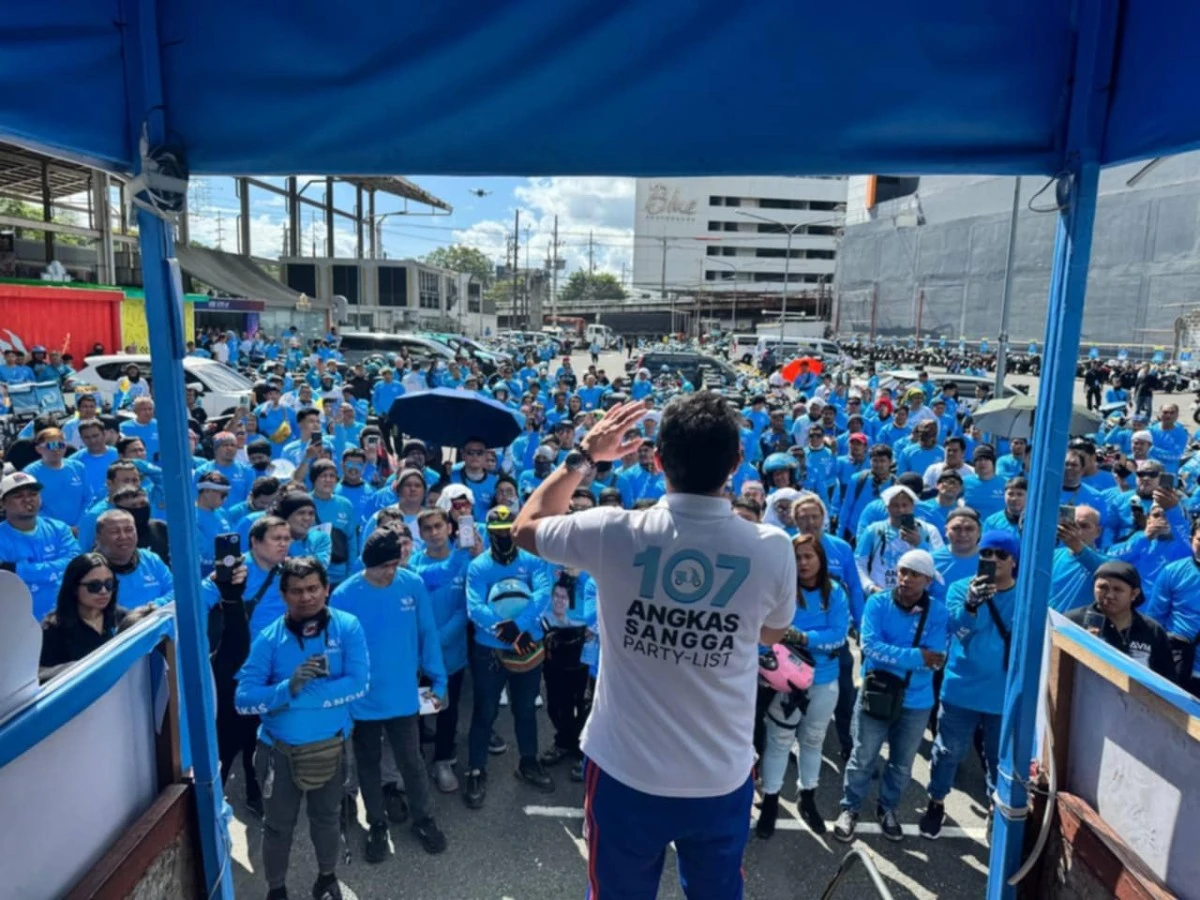
Thousands of motorcycle riders took to the streets on Saturday, May 10, as part of the final campaign push for Angkasangga Party-list, on the last day of the campaign period.
Starting in Pasay City, the convoy made its way through the metro, drawing in bikers, delivery riders, tricycle drivers, and transport advocates along the way.
The motorcade then made a key stop at Batasan Hills, where a symbolic “handover” to Angkasangga Party-list first nominee George Royeca took place in front of the House of Representatives.
“It was a simple gesture, but deeply meaningful,” Royeca, an aspiring congressman or House member, said.
“The riders brought me to Congress not just physically, but symbolically. This campaign has always been about them, and this moment reflected that," he noted.
In a show of nationwide solidarity, riders in Cebu and Batangas also held their own motorcades, echoing the call for representation and unity across the archipelago.
The event culminated at Pop Up in Katipunan, Quezon City, where a short program brought together supporters and volunteers.
Addressing the crowd of riders who had followed him from Pasay to Quezon City, Royeca delivered a message that summed up the heart of the movement:
“Today, you didn’t just ride with me—you brought our entire community one step closer to real representation. For years, we’ve moved the nation without protection, without recognition. But now, we’re done being left behind. This isn’t the end of the ride—it’s just the beginning. And together, we’re taking our place in Congress.”
Angkasangga was built from the ground up by the riding community, evolving from the successful Angkas platform that has supported tens of thousands of riders through safety training, government benefits, and financial inclusion.
Now, the party-list seeks to institutionalize this model on a national level, and expand protections and opportunities to millions of Filipinos who rely on motorcycles for their livelihood. These include food delivery riders, tricycle drivers, and informal transport workers.
“We’ve proven that a well-run, rider-focused system works,” Royeca said. “Now it’s time to take that to Congress, and build policies that recognize the realities of our work, and the value we bring to the economy every day.”