






 Philippines
National
Adopt PUV insurance system for private cars, PBBM urged amid spate of fatal road crashes
Philippines
National
Adopt PUV insurance system for private cars, PBBM urged amid spate of fatal road crashes
Adopt PUV insurance system for private cars, PBBM urged amid spate of fatal road crashes


At A Glance
- Based on the existing PUV insurance policy under the Passenger Personal Accident Insurance (PPAI), bus and other PUV passengers are entitled to a maximum of P400,000 for each of the fatalities in cases of road crashes and P100,000 each in cases of injuries
- That is not the case for passengers of private motor vehicles since they are only entitled to a maximum of P200,000—to be divided among all the victims.
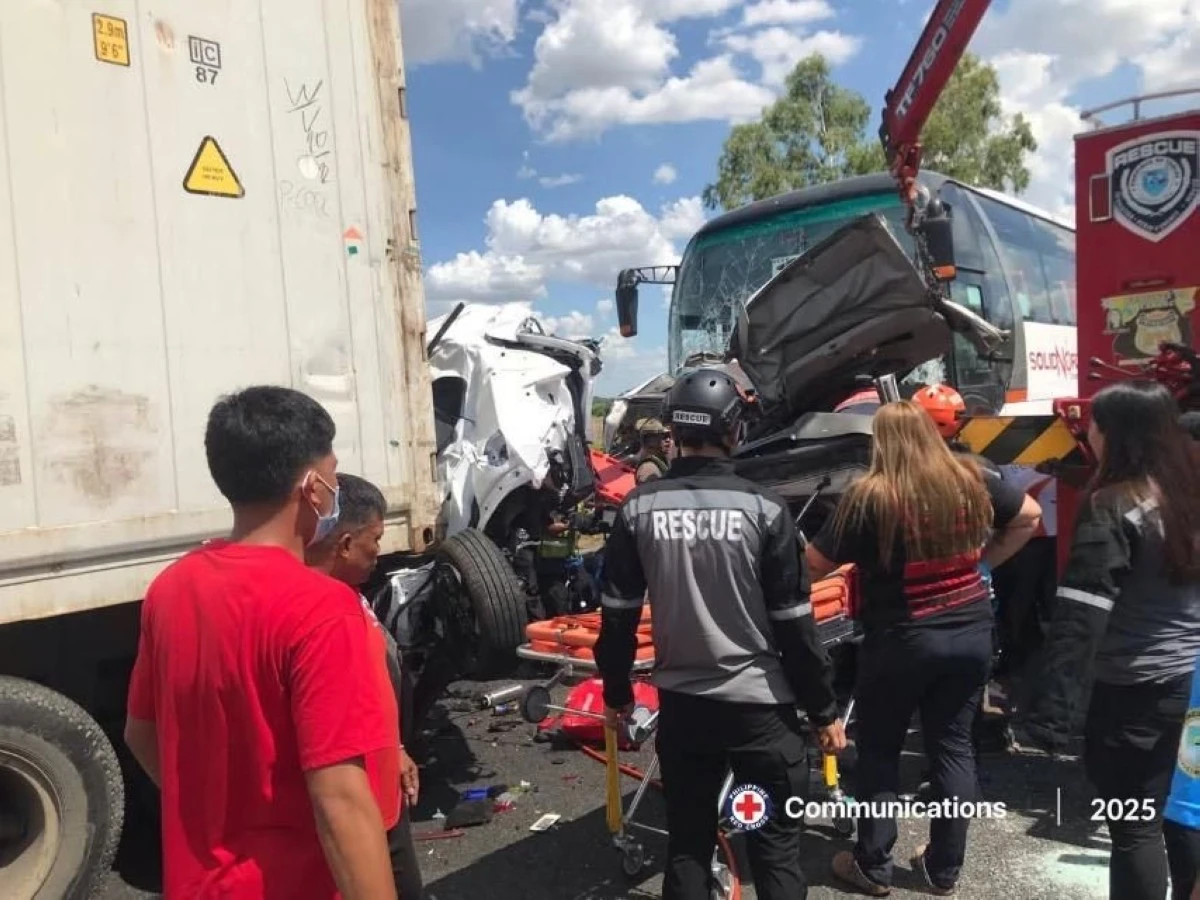
Amid the spate of fatal vehicular accidents in the past days, a leader of a major transport group urged President Marcos to adopt the insurance system for public utility vehicles (PUVs) to that of private motor vehicles in order to ensure fair benefits claims in cases of death and permanent disability.
Based on the existing PUV insurance policy under the Passenger Personal Accident Insurance (PPAI), bus and other PUV passengers are entitled to a maximum of P400,000 for each of the fatalities in cases of road crashes and P100,000 each in cases of injuries.
And for the Alliance of Transport Operators and Drivers Association of the Philippines (Altodap), that is not the case for passengers of private motor vehicles since they are only entitled to a maximum of P200,000—to be divided among all the victims.
Altodap president Boy Vargas cited the case of the Katipunan Flyover accident that left four people dead and 25 others injured when a truck rammed motorcycles and private cars in December last year.
Only P200,000 was released and the worst part, according to Vargas, was that the amount had to be divided among the families of the four dead and the 25 injured victims.
The same incident happened for the relatives of the 10 people who died in the SCTEX accident after the Land Transportation Franchising and Regulatory Board (LTFRB) itself confirmed that all those who died in the two private vehicles are only entitled to a maximum of P200,000—the amount will be equally divided among the 10 fatalities.
“Ganyan na lang ba ang halaga ng buhay ngayon? Sobrang sakit na nga ang mawalan ng isang kapamilya, lalo na kung breadwinner, tapos ang makukuha lang ay kulang pa sa pagpapalibing at hospital bills? ((Is that how life costs? To lose a family member, especially if a breadwinner is involved, is already painful and hard, and then what they would get as compensation is not even enough to pay for burial expenses and hospital bills),” said Vargas.
“Lagi nating nababasa at napapanood ang panawagan ng hustisya sa mga biktima ng aksidente pero ang hustisya ay hindi lamang sa pagpapanagot ng maysala, kung hindi yung tinatawag na just compensation at sa kaso ng aksidente, ito yung insurance payment (We usually hear calls for justice in cases of fatal accidents but justice is not only about holding those responsible accountable. It also involves just compensation and in this case, just insurance payment)” he added.
The PUV insurance system
The high amount of insurance claims for PUV passengers was a result of the “two-group’” system under the Passenger Personal Accident Insurance (PPAI)—a major requirement in obtaining a franchise from the LTFRB.
Under the two-group scheme, the insurance of PUV units are equally distributed to the two accredited insurance consortiums in a bid to simplify and facilitate the application and the processing of insurance claims.
And since the PPAI is mandatory to get a franchise via the Certificate of Public Conveyance, Vargas said this scheme should also be applied to private motor vehicles during registration and renewal of registration of private motor vehicles.
Currently, the mandatory insurance for the registration and renewal of private motor vehicles is through the Compulsory Third Party Liability (CTPL) which is just being taken for granted due to its limited coverage.
The CTPL does not cover the private vehicle owner and this is why some motorists describe that insurance system as useless—such as in the case of Katipunan Flyover and SCTEC accidents.
“We in the transport group have peace of mind in terms of insurance coverage that must also be extended to private motor vehicles,” said Vargas.
“Ang panawagan natin sa ating Pangulong Marcos at kay DOTr Secretary Vince Dizon ay itama natin ang hindi makatarungang sistemang ito. Kung hindi nagawa noon, itama na natin ngayon dahil iyan naman ang sinasabi nilang pagbabago sa ilalim ng Bagong Pilipinas? (We call on President Marcos and DOTr Secretary Vince Dizon to correct the injustice in the insurance system. If this was not done in the past, this should be now based on what they say about the changes under Bagong Pilipinas),” he added.
Long overdue
Vargas and other transport groups have been calling for just insurance payment amid cases of road accidents.
Based on the data of the Philippine National Police (PNP), a total of 31,258 road crashes occurred in 2024 across the country, with a total of 2,747 recorded deaths. From January to March this year, the PNP data revealed 7,320 cases with a total of 770 deaths.
And based on the United Nations data, around 32 people die everyday due to road crashes.
The national government is eyeing the reduction of road crashes by 35 percent in 2028 and while transport groups support the advocacy, Vargas said the government should also do something about the victims of road accidents.