







5 things you may not know about librarians
Insights from Escolarian Library Science Alumni
By MB Lifestyle
Published May 10, 2025 12:50 pm


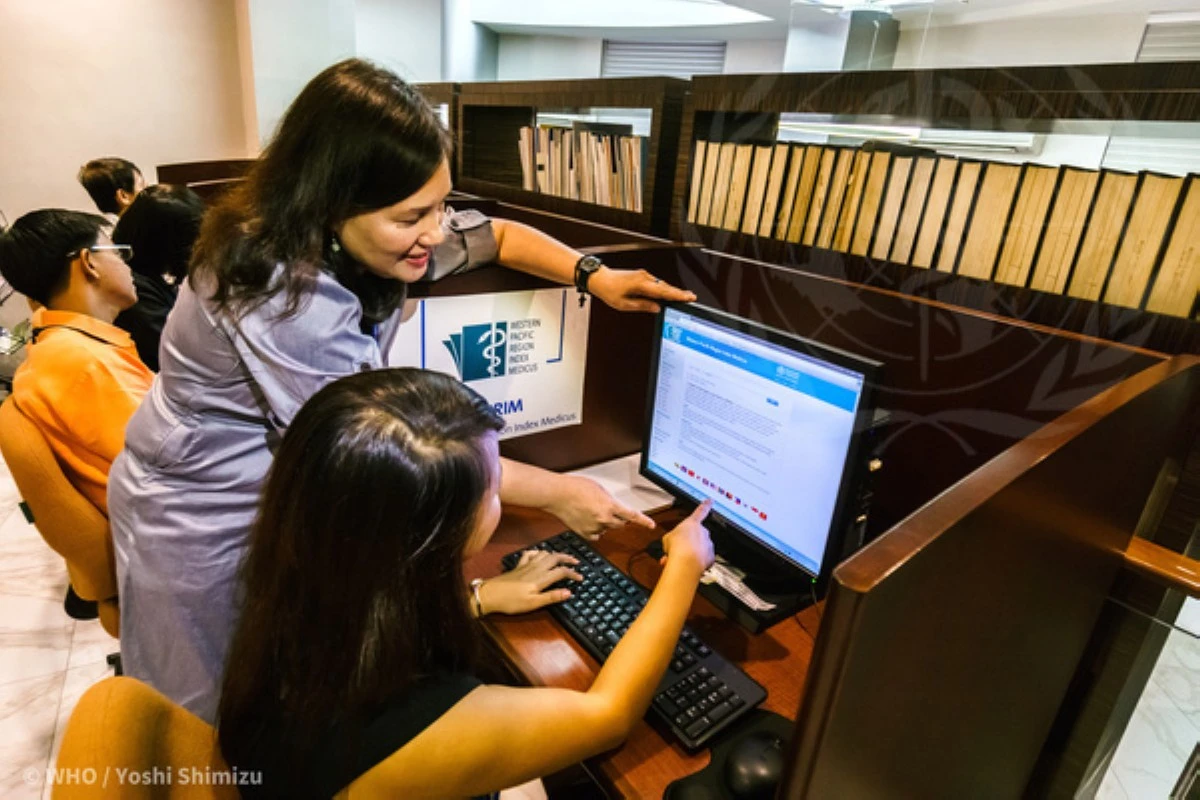
Alma Mila Degala Prospero, Senior Library Associate, World Health Organization Regional Office for the Western Pacific, Bachelor in Secondary Education Major in Library Science, CEU Class of 1992 (Photo credits to WHO / Yoshi Shimizu)
Many of us are guilty of stereotyping librarians as bespectacled scolds always telling students to keep quiet. But what a lot of people may not know, as explained by a librarian herself, “not everyone can be a librarian, you have to earn it, just like being a teacher, a nurse, or a doctor.”
1. Completing a degree is the first step to becoming one
Centro Escolar University (CEU) alumna Alma Mila Degala Prospero, a senior library associate at the World Health Organization Regional Office for the Western Pacific, explains that becoming a professional librarian requires one to complete a degree in Library Science.
CEU is among the institutions in the country offering the course Bachelor in Library and Information Science (BLAIS). The course provides knowledge and skills in the management of library operations; systematic organization; conservation; preservation; and restoration of books, historical and cultural documents, and other intellectual properties. It also includes topics on basic principles and fundamental laws of library science.
2. To practice, a license needs to be secured
Before the early 1990s, a license to practice was not required. But since the enactment of Republic Act No. 6966, or The Philippine Librarianship Act, in September 1990, a license has been required to practice in the field upon completing a degree in Library Science.
“In the Philippines, it is a requirement to be able to work as a professional librarian especially in the academe, you must be licensed and should pass the Professional Board Examination for Librarians,” Prospero explains.
Prospero is proud to be among the first licensed librarians in the Philippines. The first licensure examination was conducted on Dec. 3, 1992.
3. The role goes beyond taking care of books
The role of a librarian has evolved. Librarians are specialists in the delivery of reliable information and experts in empowering the minds of their clientele. Their responsibilities range from the management of traditional print materials such as books and journals, to digital resources like online databases and electronic collections — they are at the forefront of making accessible correct, appropriate, and organized knowledge and information to aid in social transformation.
“Librarians continue to support the emerging changes in society, especially on the delivery of learning resources transcending from print to digital. We are responsible for preserving information and providing access to that information so that we can track progress and continuously build society for the better,” Prospero says.
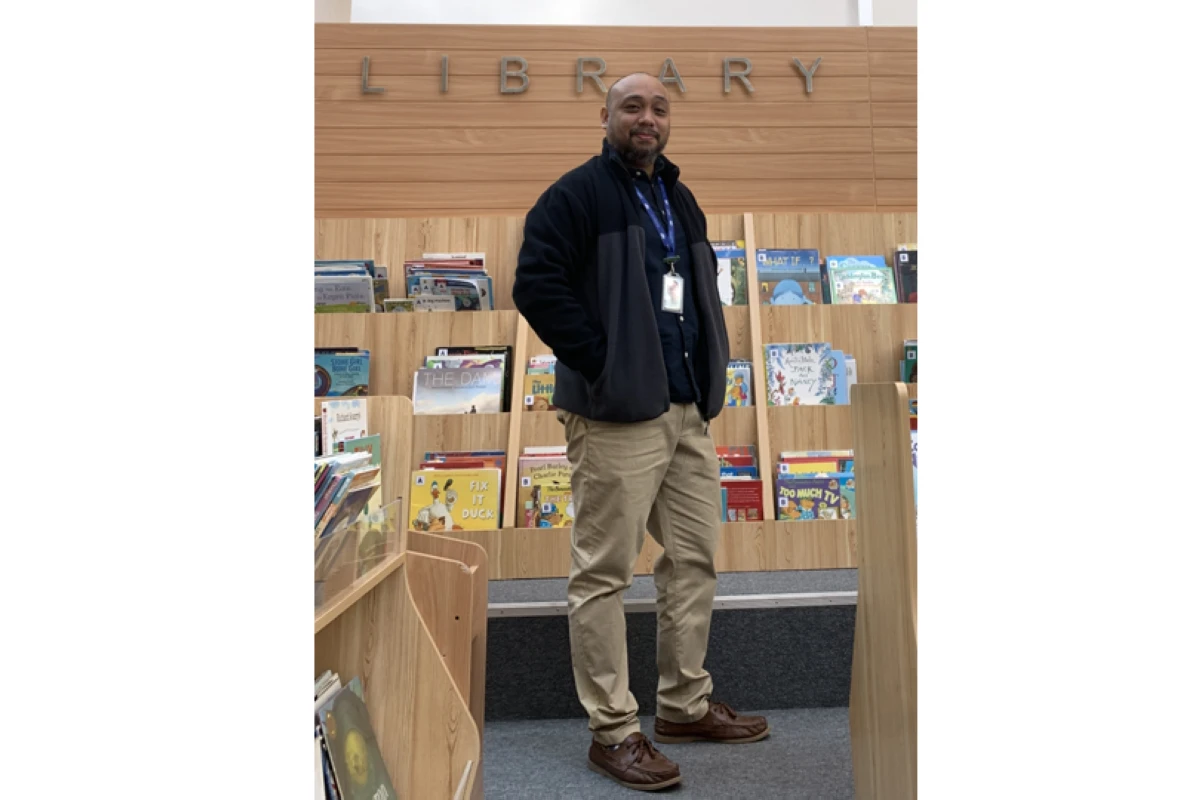
Manuel Leandro “Jay” M. Galang, Jr., Primary school librarian for British International School Riyadh, Bachelor in Library and Information Science, CEU Class of 2006
4. It’s an in-demand profession here and abroad
There are only over 7,000 licensed librarians in the country. With more than 60,000 basic education schools, the demand for licensed librarians is evident. Even with digital transformation and new technologies in the field, the demand for librarians globally remains.
“CEU’s Bachelor in Library and Information Science (BLIS) course prepares students to become librarians in the digital era, adept at new tools and technology. The BLIS curriculum covers cataloging, indexing, information retrieval, library management, and research methods. It also includes emerging trends, technologies, artificial intelligence, and digital scholarship,” shared Ma. Jesusa Laurio, CEU alumna and assistant head, CEU Library Department.
“These course works allow students to develop digital literacy skills and learn information management and critical thinking. Students are also provided with hands-on experience in library operations and information technology settings through internships and project-based learning. Focusing on these areas ensures every BLIS graduate is well-prepared to navigate the evolving information landscape and deliver innovative services to libraries and beyond,” Laurio says.
5. It’s a career that brings fulfillment and joy
Like other professions, Jay Galang, a CEU alumnus and librarian, found passion in his work. He landed his first job as a librarian/cataloger for The Robinsons Children Library in Novaliches, after which he worked as a librarian for the British School Manila and eventually served as the first Filipino head librarian for the school. It’s not surprising to find him providing services for the young schoolers as he found Children’s Literature the most impactful subject when he was studying.
“It became clear to me that I was meant to be a librarian for children. The joy of sharing the love of reading with children was such a delight. From storytelling and curating books children would appreciate to designing shelves that make books appealing to them, these are all very fulfilling activities for a children’s librarian. It was also in that class that I discovered my talent for storytelling,” Galang tells.
Now serving as the primary school librarian for British International School Riyadh, he is responsible for developing the primary school library, managing the space daily, and creating library education programs. He also partly manages the senior school library.
Interested in pursuing a career as a librarian? Discover more about CEU’s Bachelor in Library and Information Science program.