






 World
Some migrants were told they'd be sent to Libya, attorney say as they tryto block the deportations
World
Some migrants were told they'd be sent to Libya, attorney say as they tryto block the deportations
Some migrants were told they'd be sent to Libya, attorney say as they tryto block the deportations


At A Glance
- WASHINGTON (AP) — U.S. authorities informed some migrants of plans to deport them to Libya, a country they are not from and that has a history of human rights violations, attorneys said Wednesday. A judge said they can't be deported without a chance to challenge such a move in court.
WASHINGTON (AP) — U.S. authorities informed some migrants of plans to deport them to Libya, a country they are not from and that has a history of human rights violations, attorneys said Wednesday. A judge said they can’t be deported without a chance to challenge such a move in court.
The legal scramble comes as the Trump administration is pushing forward with plans to carry out mass deportations, including efforts to send migrants to a country where they are not a citizen. The most controversial example of so-called third-country removals has been sending Venezuelans to a notorious El Salvador prison.
Sending deportees to Libya, a country with a documented history of migrant abuse, would mark a major escalation of the administration’s push for third countries to take in people being removed from the United States.
A U.S. official said earlier Wednesday there were plans to fly migrants to Libya on a military plane but did not have details on the timing of the C-17 flight. The official spoke on condition of anonymity to discuss military operations.
Immigration attorneys say some of their clients, including people from Vietnam, Laos and the Philippines, were told by immigration enforcement agents that they were going to be deported to Libya. Some were told they were going to Saudi Arabia, they said.
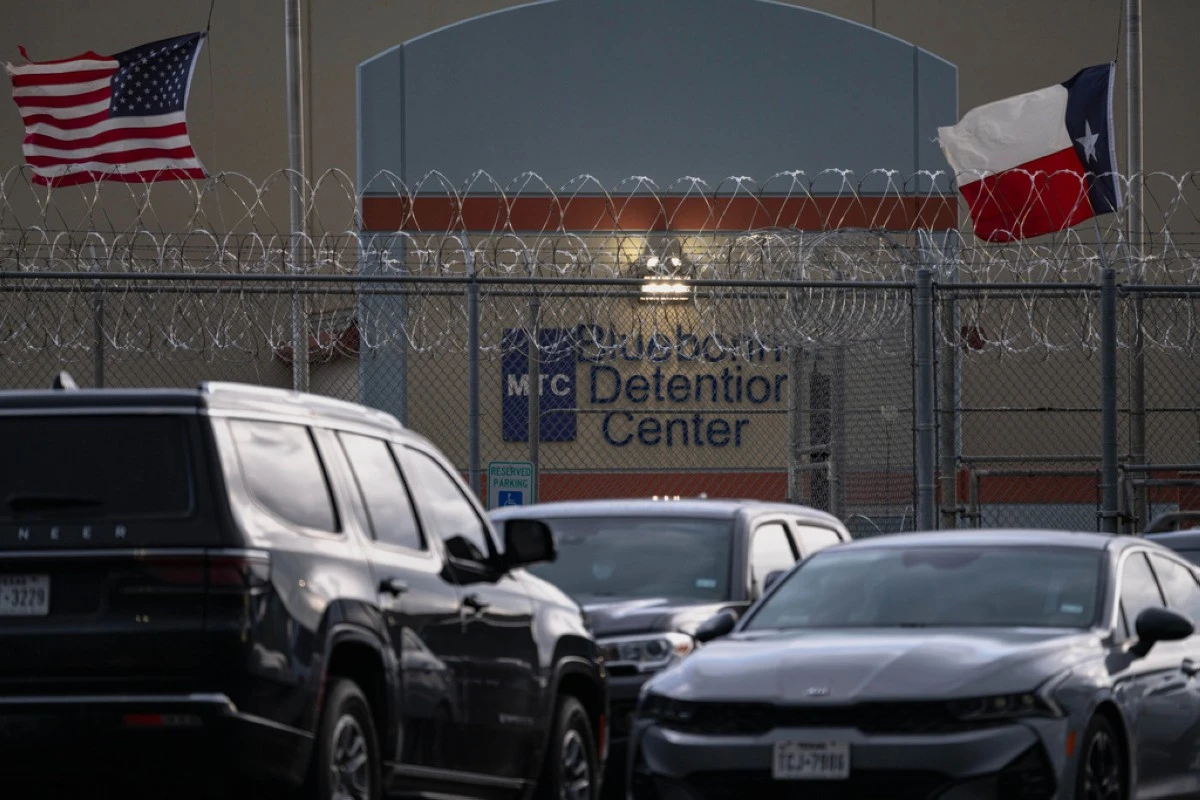
Immigration and Customs Enforcement officers gathered six people who are detained in southern Texas in a room early Tuesday and told them that they needed to sign a document agreeing that they would be removed to Libya, immigration attorneys representing people from Vietnam said in a court filing, citing reports from relatives of those in detention.
“When they all refused, they were each put in a separate room and cuffed in (basically, solitary) in order to get them to sign it,” the lawyers wrote.
In another example, a lawyer for a man from the Philippines wrote to ICE in San Antonio saying his client had learned he was going to be sent to Libya. The attorney wrote that his client “fears being removed to Libya and must therefore be provided with an interview before any removal occurs.”
Judge says migrants must get a chance to contest deportations
The attorneys went to court Wednesday asking U.S. District Judge Brian E. Murphy in Massachusetts to intervene. Murphy has been overseeing a lawsuit against the Trump administration over its practice of deporting people to countries where they are not citizens.
He ruled in March that even if people have otherwise exhausted their legal appeals, they can’t be deported away from their homeland before getting a “meaningful opportunity” to argue that it would jeopardize their safety.
On Wednesday, he said any “allegedly imminent” removals to Libya would “clearly violate this Court’s Order.” He also ordered the government to hand over details about the claims.
In addition to the Venezuelans sent to El Salvador, the administration has deported people to Panama and Costa Rica who were not citizens of those countries.
Sending someone to a country that is not their own has raised a host of questions about due process and, particularly in the case of El Salvador, whether they are going to be subject to further abuse.
Outside of those three Central American nations, the Trump administration has said it's exploring other third countries for deportations. Asked Wednesday about whether Libya was one of those countries, the administration had little to say.
President Donald Trump directed questions to the Department of Homeland Security. DHS Secretary Kristi Noem said during a news conference in Illinois that she “can’t confirm” media reports of plans to send people to Libya.
The State Department said it does not “discuss the details of our diplomatic communications with other governments.”
Libya denies reports of a deportation deal
The Tripoli-based government of Prime Minister Abdul Hamid Dbeibah said in a statement Wednesday that there was “no deal or coordination” with the U.S. to receive migrants. However, it said “some parallel parties” could have agreed to receive them.
That appears to refer to its rival administration in east Libya, which is controlled by powerful military commander Khalifa Hifter. Libya has been split for years between rival administrations in the east and west, each backed by armed groups and foreign governments.
The Hifter-led Libya National Army, which controls eastern and southern Libya, also released a statement, denying any deal or understanding to receive migrants from the U.S.
“There won’t be any acceptance or reception of them (the migrants) on the territories secured by the Libyan Armed Forces whatever the reasons and justifications are,” it said.
Abuses against migrants in detention in Libya have been widely documented, with U.N. investigators saying they had evidence of possible crimes against humanity, including accounts of murder, torture, enslavement, extrajudicial killings and rape.
Migrants have told The Associated Press about repeated beatings and torture while ransoms were demanded of their families. Their bodies showed traces of old and recent injuries, and signs of bullet and knife wounds on their backs, legs, arms and faces.