






 Philippines
National
How to protect yourself from thunderstorms, PAGASA shares life-saving tips
Philippines
National
How to protect yourself from thunderstorms, PAGASA shares life-saving tips
How to protect yourself from thunderstorms, PAGASA shares life-saving tips


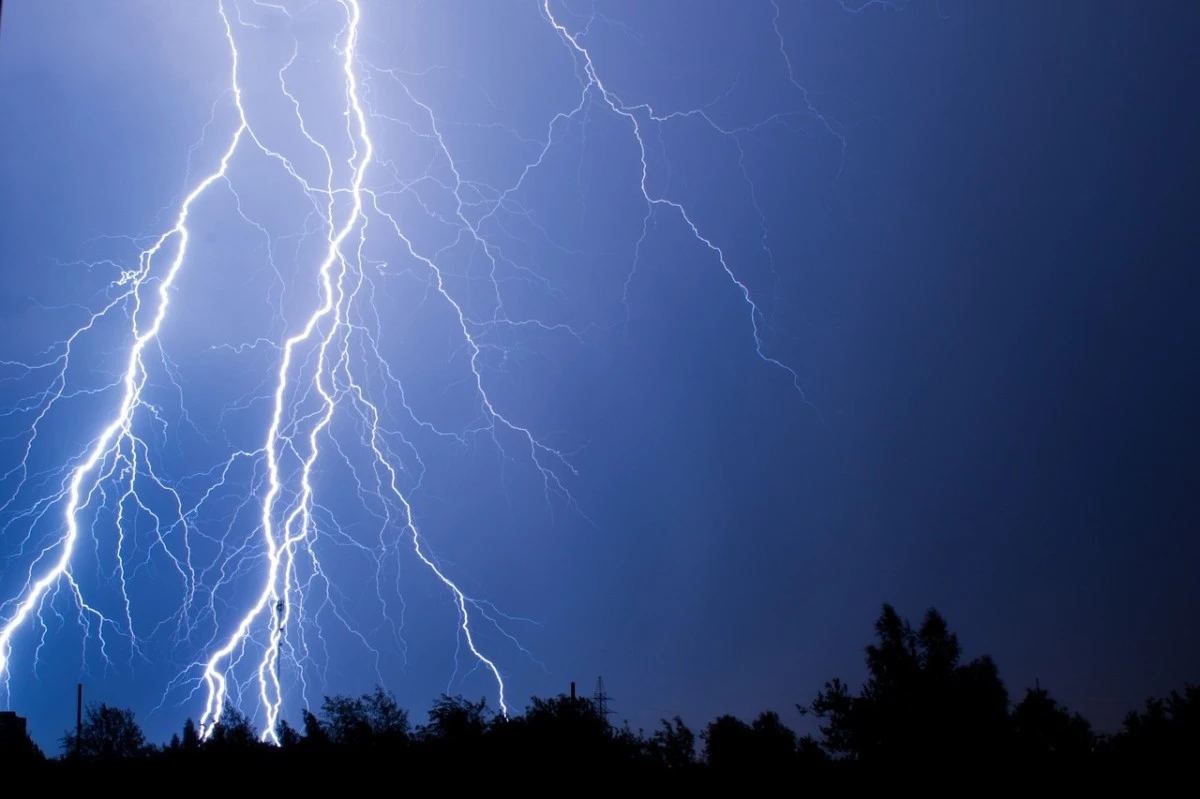
As the Philippines enters the transition period into the rainy season, thunderstorms are becoming more frequent.
Philippine Atmospheric, Geophysical and Astronomical Services Administration (PAGASA) weather specialist Benison Estareja urged the public to stay prepared, as thunderstorms bring lightning, heavy rain, and strong winds that can be dangerous without proper precautions.
Thunderstorms can happen quickly, lasting one to two hours, and pose risks like lightning strikes and flash floods, Estareja explained.
To stay safe, PAGASA shared essential tips for coping with this season.
Seek shelter immediately
The first step when a thunderstorm hits is to seek shelter indoors.
Estareja said a fully enclosed building is the safest place during a thunderstorm. “It could be our house or a mall,” he said.
If you are in a car, make sure the windows are rolled up and stay inside, he added.
Avoid objects that conduct electricity
When lightning strikes, it tends to follow paths that can conduct electricity, including water, metal, and tall structures.
“Avoid getting close to things like trees, utility poles, and scaffolding,” Estareja advised.
If you are near a body of water like a beach or river, move away from the shoreline immediately, he added.
Unplug electronics, avoid electrical appliances
Inside your home, Estareja recommended avoiding the use of electrical appliances, power tools, or even touching electrical outlets and plumbing.
Lightning can travel through wiring, causing dangerous surges that can damage appliances and start fires.
“Avoid touching power tools and stay away from sockets. Also, avoid handling appliances unless necessary,” he said.
Don't stand in the open
If you find yourself outside during a thunderstorm, do not stand upright in open areas.
“If you are in an open field or the middle of a field, avoid standing or raising your hands. Instead, take a squat position, with both hands holding your ears, and make sure the heels of both feet are touching while in that position,” Estareja said.
“When lightning strikes, the electricity coming from the ground will go straight to our feet and won't travel up our body,” he added.
Stay informed
PAGASA also advised the public to stay informed through its different alerts about thunderstorms.
A “thunderstorm advisory” is issued when a thunderstorm is expected to affect a specific area within the next two hours, with updates provided as needed. This advisory is disseminated through SMS, social media, and the PAGASA website.
Meanwhile, a “thunderstorm watch” is issued when thunderstorms are likely to form within the next 12 hours, serving as a more general alert to help the public prepare. This watch is shared through social media and the website.
Lastly, “thunderstorm information” is released when thunderstorms are less likely within the next 12 hours, providing the public with updates on the weather outlook.
This information is posted on PAGASA's X and Facebook accounts, as well as the website.