







Gov't eyes 2028 roadmap for ethical, inclusive AI development
By Jel Santos


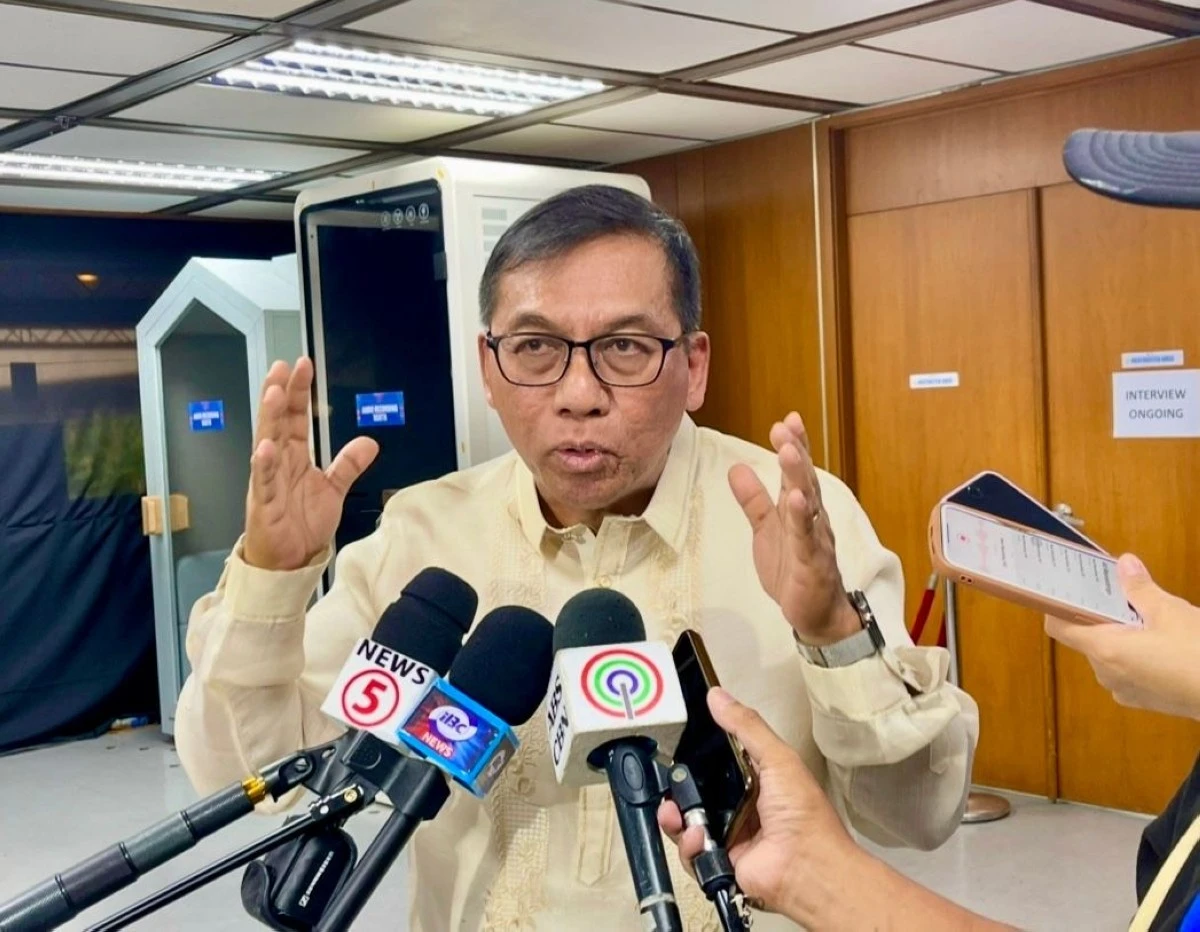
Seeking to build an ethical and innovation-led digital future, the Department of Science and Technology (DOST) has proposed a National Artificial Intelligence Strategy (NAIS Ph) to steer the country’s AI agenda until 2028.
DOST Secretary Renato U. Solidum Jr. introduced the proposed strategy during the 2025 National Innovation Day celebration on April 30 in Quezon City, outlining the government’s vision for responsible, inclusive, and future-ready AI development.
“Building on these milestones and the momentum of a whole-of-government approach, it is now time to take the next bold step. To ensure that our efforts are strategic, inclusive, and future-ready, we are proposing a National AI Strategy for the Philippines or NAIS Ph. Ito ang ‘NAIS’ natin para sa Bagong Pilipinas,” Solidum said.
The proposed strategy will focus on five core areas: infrastructure, workforce, innovation, ethics and policy, and deployment.
The agency said such will support AI applications in sectors such as agriculture, education, smart cities, creative industries, and national security.
According to Solidum, the government is prioritizing infrastructure, skills development, technological advancement, and policy formation in its AI efforts.
“At the center are five core strategies: infrastructure, workforce, innovation, ethics and policy, and deployment—all phased from 2024 to 2028,” he said.
Solidum said various agencies are working together to shape the AI ecosystem, including the Department of Information and Communications Technology (DICT), Department of Education (DepEd), Commission on Higher Education (CHED), Technical Education and Skills Development Authority (TESDA), Department of Trade and Industry (DTI), Department of Labor and Employment (DOLE), and the Philippine Statistics Authority (PSA).
“Ultimately, by 2028, we [DOST] envision a future where AI powers inclusive innovation, strengthens governance, uplifts communities, and drives globally competitive industries, building a sustainable, tech-enabled future for all Filipinos,” he added.
As part of the effort, Solidum said the DOST aims to establish a Collaborative AI Ecosystem. Among the initiatives are the AI Factory and AI Refinery, which will focus on supporting infrastructure, governance, and driving research and innovation.
The DOST is also encouraging higher education institutions to offer AI-related micro-credentials and continuing education programs.
“For DOST, we will also leverage platforms like Coursera and SPARTA for scalable, fast-track learning. To improve course completion rates, we will encourage trainees to have a clear AI deployment plan before enrollment and work closely with organizations to ensure that newly acquired skills are directly applied in the workplace,” said Solidum.
The Philippines, he said, is set to increase its high-performance computing (HPC) power 26 times by 2028 to support AI-driven research and scientific computing.
“These investments ensure the Philippines is not just participating but helping shape the future of AI and scientific computing,” he said.