







DA wants to restore old NFA powers curtailed by RTL


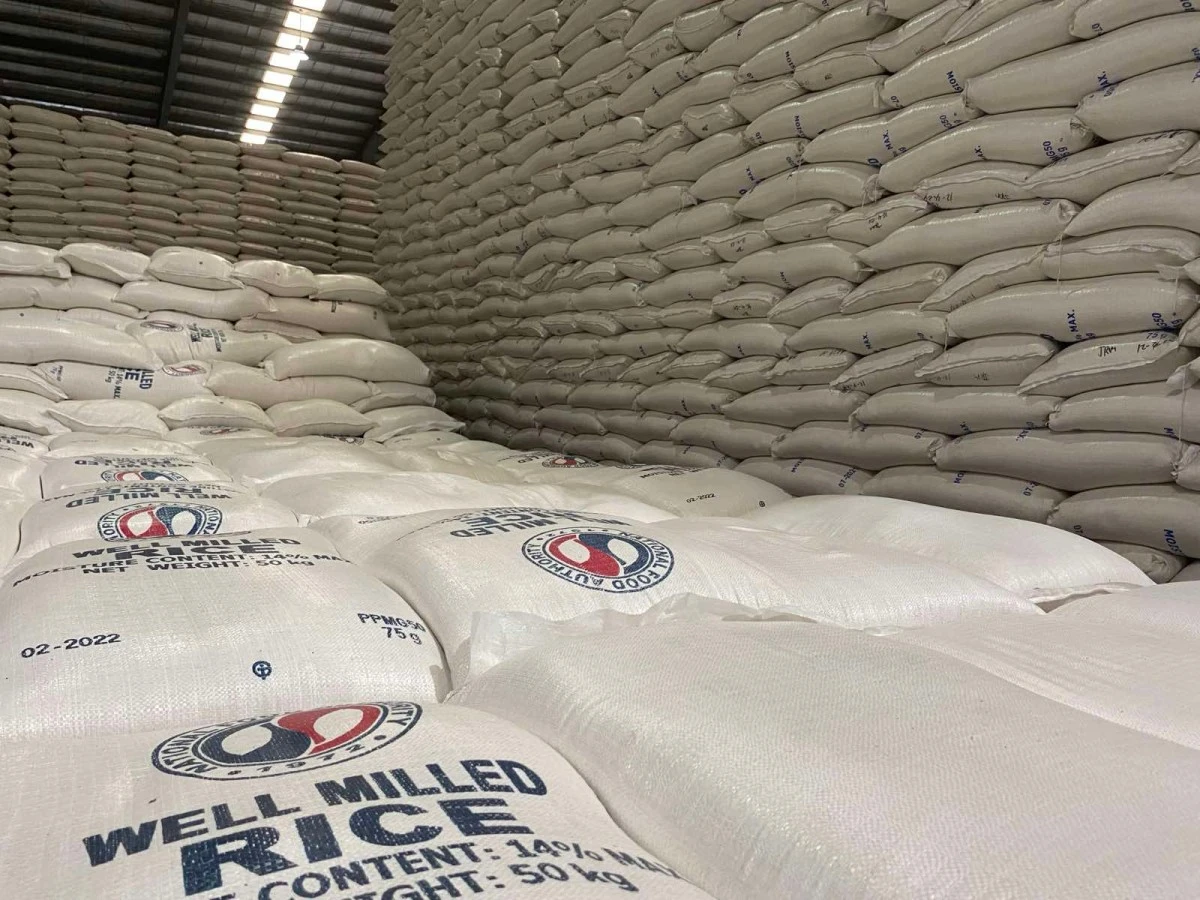
The Department of Agriculture (DA) is hoping that the next crop of lawmakers will prioritize restoring the National Food Authority’s (NFA) regulatory powers—such as the authority to sell rice directly to the public—as a measure to stabilize rice prices and supply.
In a press briefing on Thursday, May 8, Agriculture Assistant Secretary Joycel Panlilio said the agency has long sought to revert the NFA’s previous powers since the Rice Tariffication Law (RTL) was enacted in 2019.
“Even in the last Congress, pino-propose na po natin yan. So ipagpapatuloy lang natin ‘yan sa susunod pong mga session ng ating Kongreso (we already proposed that. So we will just continue it in the upcoming sessions of our Congress,” said Panlilio, also the deputy spokesperson.
Panlilio said the agency has not yet sought Malacañang’s certification of urgency for measures aiming to amend the RTL anew to strengthen the NFA.
Last month, Palace Press Officer Claire Castro said the Marcos administration is supportive of calls to return the NFA’s authority to directly sell to consumers.
Before the RTL took effect, the NFA was crucial in controlling market prices through importation and public sales.
With the law’s implementation and its subsequent amendment last year, the agency has been reduced to buffer-stocking and buying rice from local farmers for emergency use.
NFA Administrator Larry Lacson said the agency may now only dispose of rice stocks during a declaration of a food security emergency, in the event of a calamity, or through auction when the rice is aging.
Lacson said it can theoretically take a minimum of nine months from the purchase of palay (unmilled rice) before an auction could take place.
“That means, inferior quality stocks and higher cost due to stock maintenance just to keep it from insect infestation,” the official said in a statement.
“Allowing NFA to directly release stocks to the market ensures better quality rice at more affordable prices,” he added.
Furthermore, Agriculture Secretary Francisco Tiu Laurel said restoring the NFA’s powers will help the country manage the overall rice situation “more effectively.”
Laurel added that the NFA’s inability to sell directly to the public has hindered the agency’s ability to optimize its financial resources.
He said funds resulting from public sales could have been allocated to increase rice procurement and strategic market interventions that would benefit both farmers and consumers.
Laurel noted that an approved bill in the House of Representatives would have returned the NFA’s powers. “But unfortunately, the Senate Committee on Agriculture rejected it,” he said, referring to the Senate panel chaired by the outgoing Senator Cynthia Villar.
Despite its restricted role in the rice industry, the NFA has increased its buffer stock over the past year, now holding over 7.7 million 50-kilo bags of rice—enough for 10 days of national consumption.
With the upcoming implementation of the government’s ₱20-per-kilo rice program, NFA’s buffer stocks are set to be unloaded. In its place, the agency will buy palay from local farmers, priced at ₱18 to ₱19 per kilo for fresh harvest and ₱23 to ₱24 for dry.
“Without reforms, however, the NFA’s hands remain tied, unable to act swiftly in a volatile market that directly affects millions of Filipinos,” said Laurel.