ADVERTISEMENT

No reports of Filipino casualties in Pakistan airstrike—DFA

Published May 7, 2025 04:27 pm  |  Updated May 10, 2025 03:41 pm
The Department of Foreign Affairs (DFA) said on Wednesday, May 7, that there are no reports of Filipino casualties in the airstrikes launched by India on Pakistan and Pakistan-administered Kashmir.

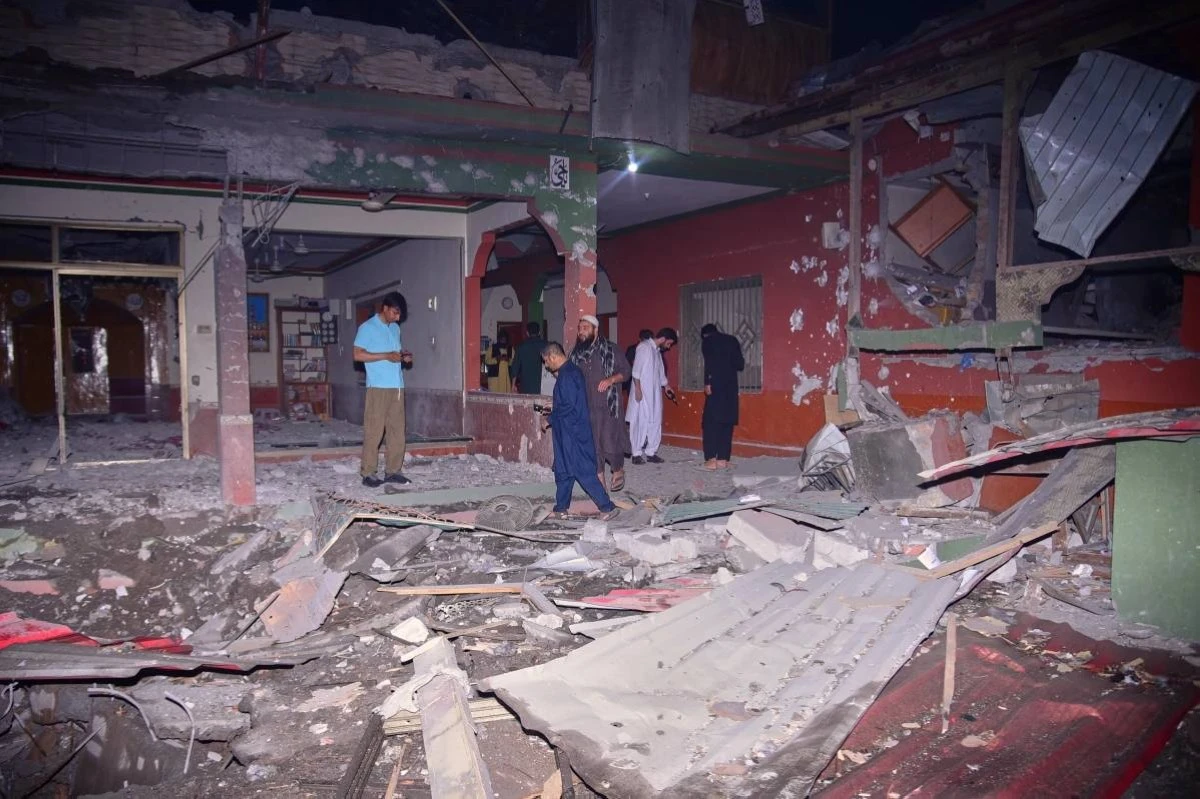
Local residents and members of the media examine a building damaged by a suspected Indian missile attack near Muzaffarabad, the capital of Pakistan controlled Kashmir, on Wednesday, May 7, 2025. (AP Photo/M.D. Mughal)

According to the DFA, it “is closely monitoring the situation between India and Pakistan” and called “for a peaceful resolution to the current issues.”

“Our Embassy in Islamabad has confirmed that there are no reports of Filipino casualties in the incident. The DFA advises the Filipino community in the affected areas to take sensible precautions and continue to be vigilant,” the department said.

India’s so-called Operation Sindoor struck “terrorist infrastructure” in Pakistan and Pakistan-controlled Kashmir region, with Pakistan’s military saying the attack killed 26 civilians.

In an advisory by the Philippine Embassy in Islamabad, it reminded Filipinos to avoid travel travel to the areas of Bhimber City, Azad Kashmir, the Sialkot Line of Control, and anywhere within five miles of the India-Pakistan border.

Filipinos residing in these areas are being advised “to exercise extreme caution.”

But DFA spokesperson Ma. Teresita Daza confirmed that “there are no Filipinos in Bhimber and Azad Kashmir.”

The embassy is asking Filipinos to “avoid non-essential travel, particularly near border zones and public gathering sites; remain indoors and monitor official announcements from local authorities; maintain regular contact with your employers and community coordinators; ensure mobile phones are fully charged and lines remain open; and have basic necessities—IDs, emergency bag, and essential medicines—ready in case of evacuation.”

Quoting the embassy, Daza said that there are some 3,151 Filipinos in the whole of Pakistan, including around 30 in Sialkot, Pakistan, which is 20 kilometers from the Jammu border.

“They are mostly wives/families of Pakistani nationals,” she added.

In India, there are about 3,350 Filipinos

India’s attack on Pakistan came after last month’s massacre of more than two dozen civilians, mostly tourists, in Indian-controlled Kashmir.

India has accused Pakistan of being involved in the massacre, which Islamabad has denied.

Each country controls parts of Kashmir but claim it in whole. Over the years, they have fought at least three wars over the region.

Related Tags

DFA Pakistan India airstrike
ADVERTISEMENT
.most-popular .layout-ratio{ padding-bottom: 79.13%; } @media (min-width: 768px) and (max-width: 1024px) { .widget-title { font-size: 15px !important; } }

{{ articles_filter_1561_widget.title }}

.most-popular .layout-ratio{ padding-bottom: 79.13%; } @media (min-width: 768px) and (max-width: 1024px) { .widget-title { font-size: 15px !important; } }

{{ articles_filter_1562_widget.title }}

.most-popular .layout-ratio{ padding-bottom: 79.13%; } @media (min-width: 768px) and (max-width: 1024px) { .widget-title { font-size: 15px !important; } }

{{ articles_filter_1563_widget.title }}

{{ articles_filter_1564_widget.title }}

.mb-article-details { position: relative; } .mb-article-details .article-body-preview, .mb-article-details .article-body-summary{ font-size: 17px; line-height: 30px; font-family: "Libre Caslon Text", serif; color: #000; } .mb-article-details .article-body-preview iframe , .mb-article-details .article-body-summary iframe{ width: 100%; margin: auto; } .read-more-background { background: linear-gradient(180deg, color(display-p3 1.000 1.000 1.000 / 0) 13.75%, color(display-p3 1.000 1.000 1.000 / 0.8) 30.79%, color(display-p3 1.000 1.000 1.000) 72.5%); position: absolute; height: 200px; width: 100%; bottom: 0; display: flex; justify-content: center; align-items: center; padding: 0; } .read-more-background a{ color: #000; } .read-more-btn { padding: 17px 45px; font-family: Inter; font-weight: 700; font-size: 18px; line-height: 16px; text-align: center; vertical-align: middle; border: 1px solid black; background-color: white; } .hidden { display: none; }
function initializeAllSwipers() { // Get all hidden inputs with cms_article_id document.querySelectorAll('[id^="cms_article_id_"]').forEach(function (input) { const cmsArticleId = input.value; const articleSelector = '#article-' + cmsArticleId + ' .body_images'; const swiperElement = document.querySelector(articleSelector); if (swiperElement && !swiperElement.classList.contains('swiper-initialized')) { new Swiper(articleSelector, { loop: true, pagination: false, navigation: { nextEl: '#article-' + cmsArticleId + ' .swiper-button-next', prevEl: '#article-' + cmsArticleId + ' .swiper-button-prev', }, }); } }); } setTimeout(initializeAllSwipers, 3000); const intersectionObserver = new IntersectionObserver( (entries) => { entries.forEach((entry) => { if (entry.isIntersecting) { const newUrl = entry.target.getAttribute("data-url"); if (newUrl) { history.pushState(null, null, newUrl); let article = entry.target; // Extract metadata const author = article.querySelector('.author-section').textContent.replace('By', '').trim(); const section = article.querySelector('.section-info ').textContent.replace(' ', ' '); const title = article.querySelector('.article-title h1').textContent; // Parse URL for Chartbeat path format const parsedUrl = new URL(newUrl, window.location.origin); const cleanUrl = parsedUrl.host + parsedUrl.pathname; // Update Chartbeat configuration if (typeof window._sf_async_config !== 'undefined') { window._sf_async_config.path = cleanUrl; window._sf_async_config.sections = section; window._sf_async_config.authors = author; } // Track virtual page view with Chartbeat if (typeof pSUPERFLY !== 'undefined' && typeof pSUPERFLY.virtualPage === 'function') { try { pSUPERFLY.virtualPage({ path: cleanUrl, title: title, sections: section, authors: author }); } catch (error) { console.error('ping error', error); } } // Optional: Update document title if (title && title !== document.title) { document.title = title; } } } }); }, { threshold: 0.1 } ); function showArticleBody(button) { const article = button.closest("article"); const summary = article.querySelector(".article-body-summary"); const body = article.querySelector(".article-body-preview"); const readMoreSection = article.querySelector(".read-more-background"); // Hide summary and read-more section summary.style.display = "none"; readMoreSection.style.display = "none"; // Show the full article body body.classList.remove("hidden"); } document.addEventListener("DOMContentLoaded", () => { let loadCount = 0; // Track how many times articles are loaded const offset = [1, 2, 3, 4, 5, 6, 7, 8, 9, 10]; // Offset values const currentUrl = window.location.pathname.substring(1); let isLoading = false; // Prevent multiple calls if (!currentUrl) { console.log("Current URL is invalid."); return; } const sentinel = document.getElementById("load-more-sentinel"); if (!sentinel) { console.log("Sentinel element not found."); return; } function isSentinelVisible() { const rect = sentinel.getBoundingClientRect(); return ( rect.top < window.innerHeight && rect.bottom >= 0 ); } function onScroll() { if (isLoading) return; if (isSentinelVisible()) { if (loadCount >= offset.length) { console.log("Maximum load attempts reached."); window.removeEventListener("scroll", onScroll); return; } isLoading = true; const currentOffset = offset[loadCount]; window.loadMoreItems().then(() => { let article = document.querySelector('#widget_1690 > div:nth-last-of-type(2) article'); intersectionObserver.observe(article) loadCount++; }).catch(error => { console.error("Error loading more items:", error); }).finally(() => { isLoading = false; }); } } window.addEventListener("scroll", onScroll); });

Sign up by email to receive news.