







Galido taking part in US-led LANPAC Symposium in Hawaii


At A Glance
- Lt. Gen. Roy Galido, commanding general of the Philippine Army (PA), will participate in the Land Forces Pacific (LANPAC) Symposium, an international meeting and exhibition dedicated to land forces in the Indo-Pacific region, which will take place from May 13 to 15 at the Sheraton Waikiki Hotel in Honolulu, Hawaii.
- The symposium will bring together 32 delegations from different Indo-Pacific nations, including 16 Army chiefs, to address critical security challenges in the region.
- The symposium aligns with broader efforts to prevent conflict in the region, as evidenced by recent US and Philippine initiatives to deter aggression, notably from China in the West Philippine Sea.
- The event underscores the importance of developing resilient partnerships and military readiness to ensure peace and stability in the Indo-Pacific, reflecting commitments to a rules-based international order.
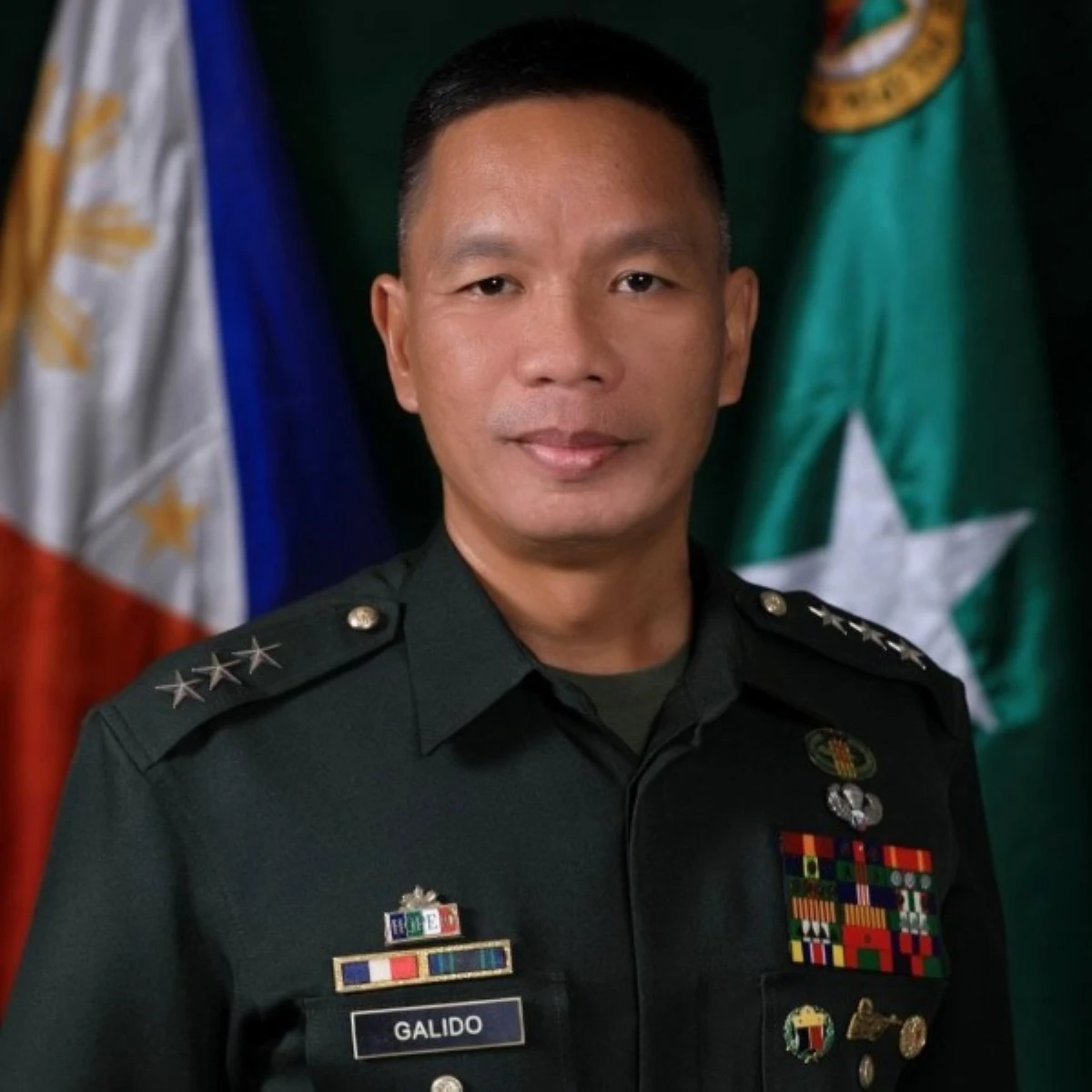
Lt. Gen. Roy Galido, commanding general of the Philippine Army (PA), will participate in an international symposium and exhibition dedicated to land forces in the Indo-Pacific region next week.
The Land Forces Pacific (LANPAC) Symposium will take place from May 13 to 15 at the Sheraton Waikiki Hotel in Honolulu, Hawaii.
Hosted by the US Army, the symposium will bring together 32 delegations from different Indo-Pacific nations, including 16 Army chiefs, to address critical security challenges, the US Army’s commitment to security cooperation with its allies and partners, and finding ways to solve complex challenges in the region.
“The participation of Lt. Gen. Galido reflects the Philippine Army’s firm commitment to strengthening partnerships, enhancing interoperability, and promoting shared security objectives in the region,” Col. Louie Dema-ala, PA spokesperson, said on Wednesday, May 7.
He said LANPAC serves as a vital platform for dialogue on strategic landpower issues, offering opportunities for the PA to engage with counterparts from the US and allied nations.
Galido will participate as a panelist in a discussion focused on the topic “Positional Advantage” on May 14. He will be joined by General Ronald P. Clark, commanding general of the US Army Pacific (USARPAC); General Yasunori Morishita, chief of staff of the Japan Ground Self-Defense Force (JGSDF); and Lt. Gen. Simon Stuart, chief of Australian Army.
On the same day, he will also have a keynote presentation; as well as a bilateral meeting with USARPAC’s General Clark and a land forces dialogue with counterparts from the USARPAC, Australian Defense Force, and the Japanese Defense Force.
Meanwhile, another Army official, Major Gen. Ramon Zagala, commander of the PA’s Reserve Command, will join as a panelist in a discussion highlighting the topic “Combat Ready Reserves – Enabling Success in the Indo-Pacific.”
Zagala will be joined by Brig. Gen. Katherina Trombley, commanding general of US Army Reserve’s 9thMission Support Command; Maj. Gen. Joseph Lestorti, from the US Army’s Office of the Chief of Army Reserve; Maj. Gen. Gavin Gardner, commanding general of US Army’s 8th Theater Sustainment Command; and Maj. Gen. Scott Winter, deputy commanding general for strategy and plans at USARPAC.
“In an increasingly complex regional security environment, engagements like LANPAC are essential. They not only foster mutual understanding and trust among Indo-Pacific armies but also support the development of adaptive and resilient defense strategies aligned with a rules-based international order,” Dema-ala explained.
“Through continued participation in LANPAC, the Philippine Army reinforces its role as a proactive contributor to peace, stability, and cooperation in the Indo-Pacific,” the Army spokesperson noted.
Preventing war
LANPAC comes on the heels of US Defense Secretary Pete Hegseth’s visit to the Indo-Pacific in March. He met Department of National Defense (DND) Secretary Gilberto Teodoro Jr. at Camp Aguinaldo in Quezon City on March 28, where they agreed to “re-establish deterrence” in the Indo-Pacific region.
General Clark said that LANPAC aims to enable the US Army to establish stronger and more resilient partnerships as it views its allies as force multipliers.
“We campaign forward throughout the region for the purpose of preventing war. This is all about our ability to prevent war by building necessary capacity and interoperability with our partners and allies in the region,” the USARPAC chief said in an online press briefing.
“We also do this by deterring while transforming,” he added.
The Philippines has increased its defense and security engagements with the US and other “like-minded” nations to address China’s aggression in the West Philippine Sea (WPS), the latest of which was when the China Coast Guard (CCG) displayed the Chinese flag on Sandy Cay near Pag-asa (Thitu) Island to claim jurisdiction over the sandbar. This was quickly disputed by the Philippine government as it conducted an inter-agency maritime operation to assert its sovereignty in the feature.
“What we've been seeing across the region is actions by countries that are bullying their neighbors, that continue to engage in territorial disputes that are illegal, that continue to coerce their neighbors in ways that are unhelpful,” Clark said without mentioning the name of any country.
Clark noted that the US is a treaty ally of the Philippines, and they are committed to continue to work with the latter “to ensure the sovereignty of the Philippines.”
“What we want to be is a partner of trust, specifically in the security realm, because our ability to be able to help our partners understand that there's another option, an opportunity to partner with both the United States Army in the Pacific and our like-minded partners there as well across the region is really how we can all be successful in that endeavor,” he added.